
- News
- Health News
- Almost 50% of Indians have vitamin B12 deficiency: Top foods for vegetarians and non-vegetarians to boost energy and avoid long-term health risks
Almost 50% of Indians have vitamin B12 deficiency: Top foods for vegetarians and non-vegetarians to boost energy and avoid long-term health risks

Top vitamin B12 foods for vegetarians and non-vegetarians to boost energy
Feeling tired despite eating “well” is more common than it looks. Many people eat enough calories, even enough protein, yet struggle with low energy, poor focus, and unexplained weakness. One quiet reason often sits in the background: vitamin B12 deficiency. According to a study from Indian Journal of Endocrinology and Metabolism shows that 47% of north Indians have vitamin B12 deficiency.
Vitamin B12 is not just another nutrient on a long list. It helps the body make red blood cells, supports nerve function, and plays a direct role in how the body converts food into usable energy. When levels fall, the body slows down in subtle but serious ways. Over time, this can lead to fatigue, brain fog, tingling sensations, and even long-term nerve damage.

Why do people end up with low vitamin B12?
The causes are not always obvious, and they go beyond diet alone.
First, dietary patterns matter. Vitamin B12 is naturally found in animal-based foods. So people who follow vegetarian or vegan diets often fall short unless they plan carefully. But that is only part of the story.
Low magnesium levels: Doctor explains causes, warning signs, and the best treatment options
Absorption plays an equally important role. Even if someone eats enough B12, the body may not absorb it well. This happens in conditions like gastritis, low stomach acid, or intestinal disorders. Long-term use of certain medications, such as antacids or metformin, can also reduce absorption.
Age is another factor. As people grow older, the stomach produces less acid, which is needed to absorb B12. That is why deficiency is common even among those who eat non-vegetarian food regularly.
According to a government-backed study by the Indian Council of Medical Research (ICMR), B12 deficiency is widely prevalent in India, especially among vegetarians.
The hidden signs your body tries to show
Vitamin B12 deficiency rarely begins with dramatic symptoms. It starts quietly.
Early signs often include constant tiredness, pale skin, and difficulty concentrating. Some people feel breathless after mild activity. Others notice mood changes, like irritability or low motivation.
As the deficiency worsens, nerve-related symptoms may appear. These include tingling in hands and feet, memory issues, and poor balance. Ignoring these signals for too long can lead to lasting damage.
This is why catching the signs early matters more than reacting late.
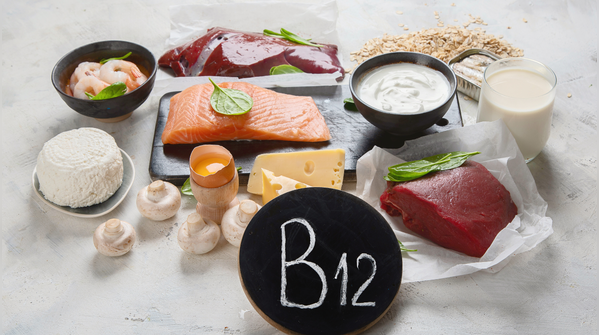
Non-vegetarian foods rich in vitamin B12
For those who include animal products in their diet, maintaining B12 levels is relatively easier.
Eggs are one of the simplest options. They are affordable, widely available, and easy to include in daily meals. Fish like salmon and tuna provide high-quality B12 along with healthy fats.
Chicken is another steady source, especially when consumed regularly. Dairy products like milk, curd, and cheese also contribute, though in smaller amounts.
Organ meats such as liver stand out. They contain very high levels of vitamin B12, but they should be eaten in moderation.
A balanced mix of these foods can usually meet daily requirements without much difficulty.
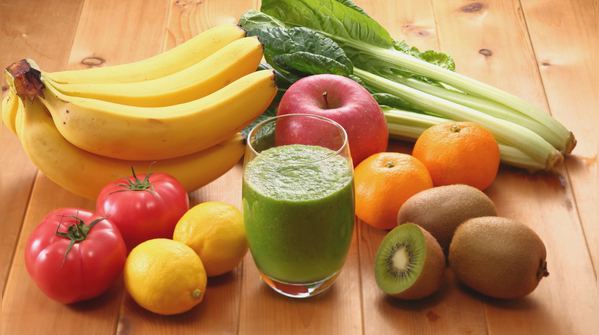
Vegetarian sources: what actually works
For vegetarians, the approach needs more attention and planning.
Dairy products like milk, paneer, and yogurt offer small amounts of B12. They help, but they are often not enough on their own.
Fortified foods are more reliable. These include fortified cereals, plant-based milk, and nutritional yeast. These products are specifically enriched with B12 and can make a real difference when included regularly.
Fermented foods such as idli and dosa are often believed to contain B12. They may provide trace amounts, but they are not dependable sources.
This is where awareness matters. Many vegetarians assume they are getting enough, but the gap slowly builds over time.
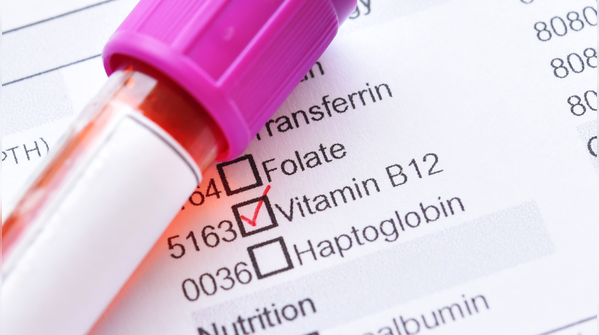
When food is not enough: the role of supplements
Some people cannot rely on diet alone.
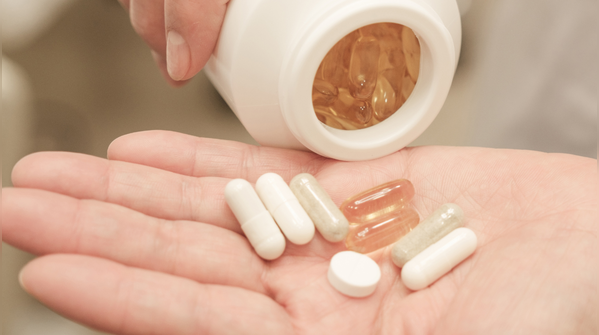
Strict vegetarians, older adults, and those with digestive issues may need supplements. In such cases, doctors often recommend B12 tablets or injections, depending on severity.
Ms Veena V, Chief, Clinical Dietician & HOD - Department of Clinical Nutrition and Dietetics, Aster Whitefield, explains, “Vitamin B12 serves vital roles which include helping the body produce energy and maintaining the nervous system and producing red blood cells. When the deficiency remains untreated the condition leads to fatigue and weakness and brain fog and permanent neurological damage.”
She adds that careful food choices remain the first step, but medical guidance is crucial when deficiency is confirmed.
A simple way to keep your B12 levels steady
Maintaining B12 does not require extreme changes. It requires consistency.
For non-vegetarians, including eggs, fish, or dairy several times a week usually works well. For vegetarians, combining dairy with fortified foods is key.
Regular blood tests can help track levels, especially for those at risk. Small, steady habits prevent bigger problems later.
Energy, clarity, and nerve health depend on it more than most people realise.
Medical experts consulted
This article includes expert inputs shared with TOI Health by:
Ms Veena V, Chief, Clinical Dietician & HOD - Department of Clinical Nutrition and Dietetics, Aster Whitefield.
Inputs were used to highlight the best vitamin B12-rich foods for both vegetarians and non-vegetarians and how they help boost energy and prevent deficiency.
Featured In Health

