
- News
- Health News
- Your body may be storing fat in the wrong places: Doctors explain ‘hidden fat’ risks and how to reduce it before it harms your organs
Your body may be storing fat in the wrong places: Doctors explain ‘hidden fat’ risks and how to reduce it before it harms your organs
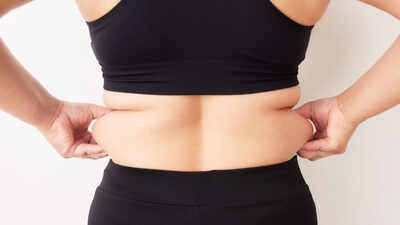
It’s a common misconception that a toned exterior equates to good health; however, even those who appear fit can possess harmful 'hidden fat' surrounding critical organs. This internal fat can pave the way for chronic conditions such as diabetes and heart disease. Contributors like stressful routines and inadequate sleep play a significant role in this accumulation.
Why does the body store fat in the wrong places?
The real triggers: it’s not just about eating more
- Chronic stress: High cortisol levels push fat toward the abdomen
- Poor sleep: Less than 6-7 hours disrupts metabolism
- Ultra-processed foods: High sugar and trans fats alter fat storage
- Sedentary habits: Sitting for long hours slows fat breakdown
- Hormonal imbalance: Especially in thyroid issues and menopause
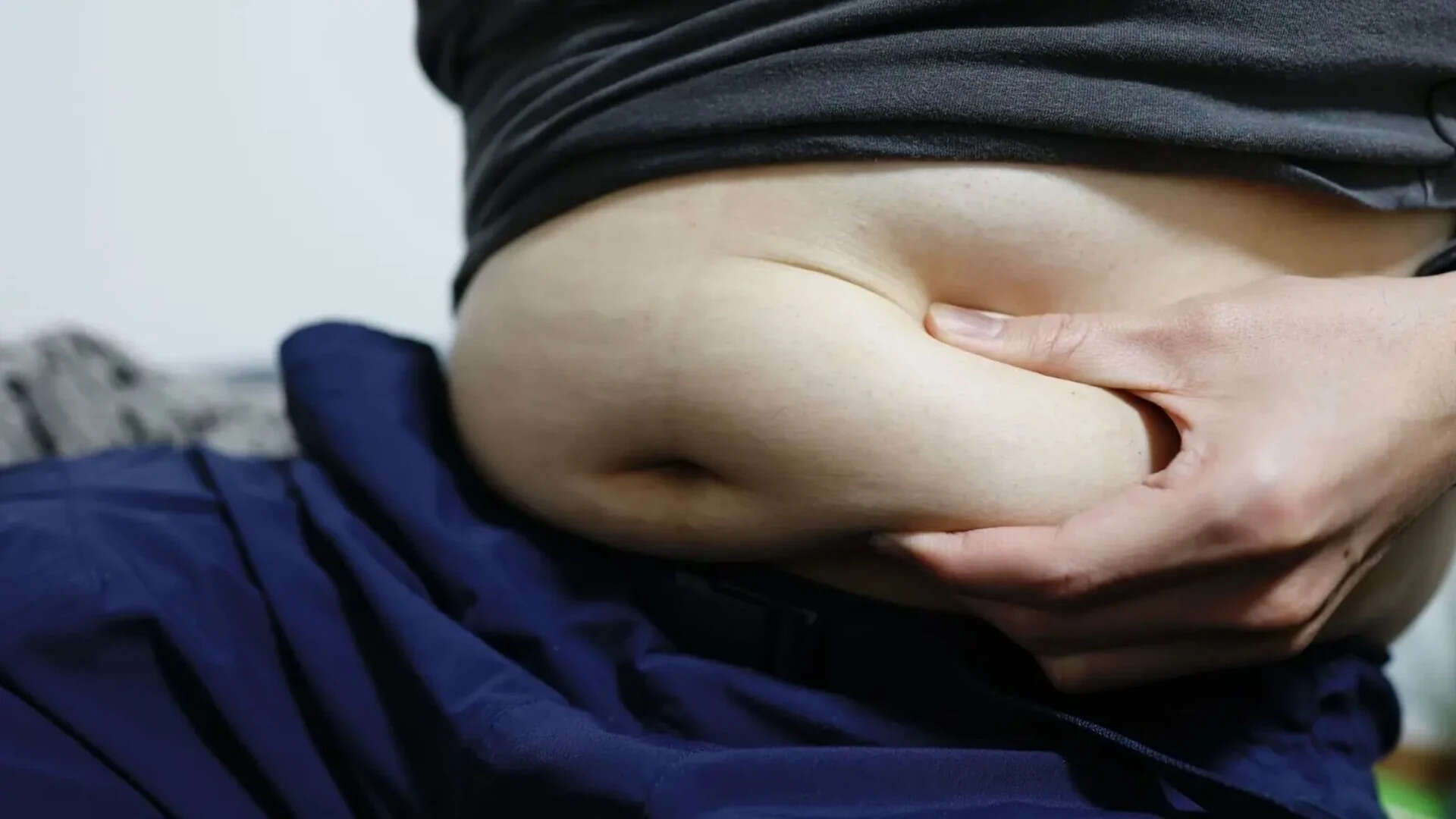
Even people with normal weight can be at risk. Early signs include fatigue, belly fat, and abnormal blood tests.
How hidden fat harms the body quietly
- Fatty liver disease
- Type 2 diabetes
- High blood pressure
- Heart disease
- Hormonal imbalance
Who should be concerned, even if they look healthy?
- People with a normal or slightly high weight
- Office workers with low physical activity
- Individuals with a family history of diabetes or heart disease
- Those who experience frequent fatigue despite adequate rest
- People with borderline or fluctuating blood test results
What are the early signs you should not ignore?
- Constant tiredness without clear reason
- Increasing belly fat despite stable weight
- Elevated cholesterol or sugar levels
- Low stamina during simple activities
- Mild but persistent digestive discomfort
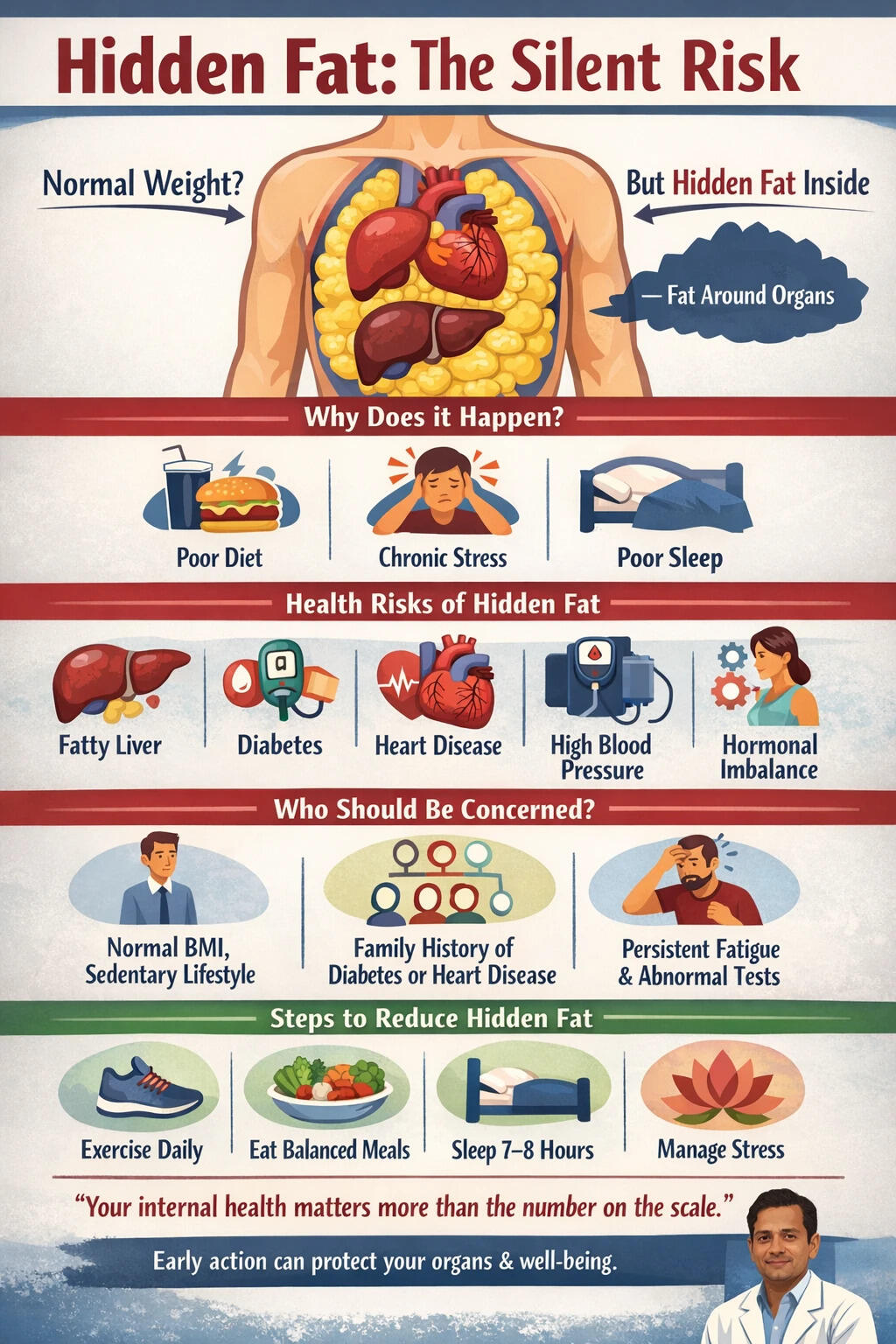
With consistent lifestyle changes like better diet, sleep, and activity, this risk can be reduced before it leads to serious disease.
How to reduce hidden fat before it harms your organs
- Move daily: Even 30-40 minutes of walking helps
- Eat real food: Home-cooked meals with balanced nutrients
- Improve sleep: Aim for 7-8 hours regularly
- Manage stress: Yoga, breathing, or quiet time can help
- Track health markers: Regular blood tests matter more than weight
Why awareness matters more than appearance

About the AuthorAadya Jha
End of Article
Follow Us On Social Media
Hot Picks
Top Trending
Tired of too many ads?go ad free now
Trending Stories
In Section
Entire Website
- US-Israel-Iran War News Live Updates: Iran claims strike on Israel’s nuclear infra; two killed by intercepted missile debris in UAE
- LGP and Fuel Crisis in India Live Update: 'BJP appreciates oppn's maturity at all-party meeting,' says NV Subhash; dismisses LPG & fuel price rise rumours
- Delhi School result 2025-26 for Classes 6, 7, 8 to be released tomorrow at edudel.nic.in: Check how to download
- Bihar Board 10th Result 2026 Live Updates: BSEB Matric results likely on this date; how to check, official websites, and latest updates
- JEE Main 2026 Admit Card Session 2 Live Updates: NTA expected to release hall tickets soon, check how to download
- 'Benevolent sexism': Women managers move high court against Karnataka govt’s menstrual leave order of providing one day leave each month
- Iran’s oil revenue soars as others struggle due to Strait of Hormuz crisis; how much is it earning daily?
- Horrific murder caught on camera in Karnataka: Man slits wife’s throat, drives SUV over her body
- 'I would like to propose to the most important girl': How professor’s love proposal sparked chaos at Bengaluru medical college
- Double murder in Bengaluru: Minor, his mother stab woman and brother to death over 'extramarital affair'
- US-Israel-Iran War News Live Updates: Iran claims strike on Israel’s nuclear infra; two killed by intercepted missile debris in UAE
- LGP and Fuel Crisis in India Live Update: 'BJP appreciates oppn's maturity at all-party meeting,' says NV Subhash; dismisses LPG & fuel price rise rumours
- Delhi School result 2025-26 for Classes 6, 7, 8 to be released tomorrow at edudel.nic.in: Check how to download
- Bihar Board 10th Result 2026 Live Updates: BSEB Matric results likely on this date; how to check, official websites, and latest updates
- JEE Main 2026 Admit Card Session 2 Live Updates: NTA expected to release hall tickets soon, check how to download
- 'Benevolent sexism': Women managers move high court against Karnataka govt’s menstrual leave order of providing one day leave each month
- Iran’s oil revenue soars as others struggle due to Strait of Hormuz crisis; how much is it earning daily?
- Horrific murder caught on camera in Karnataka: Man slits wife’s throat, drives SUV over her body
- 'I would like to propose to the most important girl': How professor’s love proposal sparked chaos at Bengaluru medical college
- Double murder in Bengaluru: Minor, his mother stab woman and brother to death over 'extramarital affair'
Tired of too many ads?go ad free now



Explore Every Corner
Across The Globe
Israel Iran WarHardik PandyaBank Open todayGold Rate TodayBengaluru Double MurderBengaluru Professor NewsAyesha CurryOil Price TodayVaibhav SooryavanshiTravis KelceStrait of HormuzKarnataka High CourtJEE Main Admit CardUS stock markets todayIPL Points TableBihar Board 10th resultDelhi School ResultMichal KwiatkowskiWTO reform pushChina 7 dogs storyICE immigration courtsUN slavery reparationsH1B workersJarvis ButtsWhite HouseUS unemployment dataJMI registration windowMPESB ASI / HC answer keIPL 2026IPL 2026 Schedule

Hot on the Web
Maya Angelou QuoteRajpal YadavDanish PandorPatrick WinstonMukesh ChhabraMalaika AroraSnake Hole vs Rodent HoleDhurandhar 2 Box Office CollectionYami GautamAnupam KherDhurandhar 2 ReviewPanchhi 2 Movie ReviewUstaad Bhagat Singh CollectionCoco ChanelRohit Sharma HouseSamuthirakaniMagnesium Deficiency SymptomsDhurandhar 2 CollectionDhurandhar 2Rajpal YadavFoods For EnergyLPG vs PNG DifferenceAbhishek BachchanMovierulzBrahmanandam HouseAadu 3 Box Office CollectionAnupam KherHoroscope TodayBaby NamesDhurandhar 2Today Gold Rate in ChennaiDelhi Weather TodayDelhi AQI TodayMumbai AQI TodayMaharashtra Public Holidays 2026Amazon Big Spring SaleJamie DimonAndrej KarpathySam AltmanNasa Moon Base PlanHonda City Facelift Spied
Trending Topics
Tommy PaulMatt WalshMinnesota WildJude BellinghamJaxon Smith-NjigbaShnaggyhoseInfosys TopazKirsty CoventryDaria AbramowiczBen AzelartDarkbringer SwordHolger RuneIga SwiatekMitch EvansTaylor SwiftJaden AgassiFIFA World Cup TrophySuper Bowl MVPFloyd Mayweather JrMinecraft BedrockMicah ParsonsDana WhiteFIFA World CupCandace OwensJoo FlixMichal KwiatkowskiTaylor Swift weddingCandace OwensGisele BndchenEmma BatesMark ZuckerbergPerplexity Ceo Aravind SrinivasOnePlus ShutdownElon MuskSocial Media Addiction TrialBlood RainJensen HuangRealme 16 5gScience NewsHow to watch ICC T20 World Cup 2026 in USAIPL 2026IPL Schedule 2026
Popular Categories
HeadlinesSports NewsBusiness NewsIndia NewsWorld NewsBollywood NewsHealth+ TipsIndian TV ShowsTechnologyTravelEtimesHealth & FitnessAstrologyInternational SportsDeorhiTechnology NewsAutoWeather TodayGold Rate Today DelhiSilver Rate TodayPlatinum Rate TodayIs Bank open todayVirat Kohli IPL StatsHardik Pandya IPL StatsBank HolidaysPublic HolidaysBank Holidays AprilPublic Holidays AprilAries HoroscopeGemini Horoscope
Trending Videos
Copyright © 2026 Bennett, Coleman & Co. Ltd. All rights reserved. For reprint rights: Times Syndication Service