
- News
- lifestyle
- travel
- things-to-do
- 5 important things to do when visiting Ranthambore National Park
5 important things to do when visiting Ranthambore National Park

5 important things to do when visiting Ranthambore National Park
Located in Rajasthan’s Sawai Madhopur district, Ranthambore National Park is one of India’s most celebrated tiger reserves. Once the hunting ground of the Maharajas of Jaipur, it is now a globally known wildlife destination, especially for sightings of the Bengal tiger. But a trip to Ranthambore or Sawai Madhopur is about much more than just a safari. It’s easy to lose sight of other things once we have the Bengal tiger in the picture. But if travellers focus only on safari, there are so many incredibly exciting things that one will be missing out on. Here are five important things you should remember when visiting Ranthambore or Sawai Madhopur.

Follow the strict “No Phone” rule inside the park
Since Ranthambore National Park is primarily known for safaris and tigers, this one is probably the first thing to remember. Mobile phone usage is not permitted inside the core safari zones in Ranthambore National Park. It’s not just calls, even phone photography is not allowed. As per Supreme Court guidelines, this mobile phone ban applies to all 10 core zones to reduce noise, and mainly to prevent tourist behavior like taking selfies with the wildlife. One can, however, carry cameras (DSLRs).
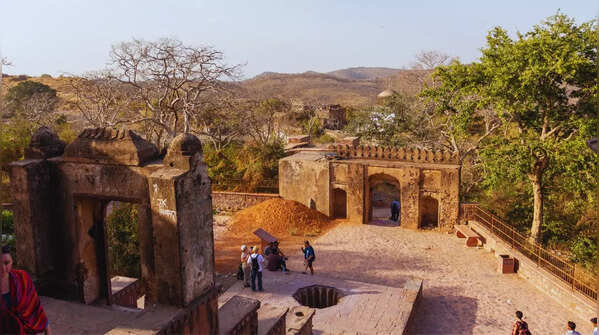
Visit the historic Ranthambore Fort
Yes, the fort is a part of the safari (Zone 1-5 mainly) and you do get to see the beautiful surroundings. But making a special trip to the majestic Ranthambore Fort, a UNESCO World Heritage Site under the Hill Forts of Rajasthan, is just so special. It’s a more unhurried experience, and you get to spend time admiring the many wildlife that surround the fort. The peacocks, jungle babblers, squirrels, they are all used to human beings around them. Also, the fort offers panoramic views of the surrounding forests and lakes, including Padam Talao. It has witnessed centuries of Rajput history and was once ruled by the Chauhans before coming under Mughal control.
Inside the fort complex, you will find temples, ancient gateways and ruins that reflect the region’s architectural heritage. One of the most visited shrines here is the Ganesh Temple, which attracts pilgrims throughout the year. The fort tour involves a bit of a climb, but nothing strenuous.

Explore the nearby Chambal Gharial Sanctuary
If you have extra time, a visit to the Chambal Gharial Sanctuary is highly recommended. Located along the Chambal River and accessible from parts of Rajasthan, this protected area is one of India’s most important riverine wildlife habitats. The sanctuary is famous for the critically endangered gharial, Gangetic river dolphin, mugger crocodiles, smooth-coated otters and numerous migratory birds. To see these river wildlife on a boat safari is special. Remember to carry binoculars with you to be able to see the wildlife properly. Since the boats don’t go up close to the wildlife, checking them out from a distance, through binoculars is the best thing to do. It is worth the trip. It can get hot and sunny real quick so do carry a sun hat. The entry fee for Indians is INR 780 (approximately) per person.

Make time for Kuno National Park
Kuno National Park in Madhya Pradesh is just 133 km (approximately) from Sawai Madhopur. It’s an easy 2-3 hour drive. Wildlife enthusiasts should consider extending their trip to include Kuno National Park to check out India’s rising wildlife star – the cheetah. In 2022, cheetahs from Namibia were introduced into Kuno as part of a conservation initiative to re-establish the species in India. Since then, additional cheetahs from South Africa have also been translocated to the park. And recently the park has had some new cheetah cubs!

Buy the famous Sawai Madhopur guava
Did you know this? Sawai Madhopur’s guava is one of the best ones in the country. There are guava orchards everywhere you look, and the fruits are a must-buy item. No trip to Ranthambore is complete without tasting and buying the locally famous guavas of Sawai Madhopur. The region is known for producing sweet and flavourful guavas. They are sold on the roadside stalls and you can ask one to be cut and prepared with a little bit of salt and chilli powder. The taste is unforgettable. Take back some to give to friends and family.
Featured In lifestyle

MORE FROM ETIMES
life & style