
- News
- lifestyle
- travel
- destinations
- 10 countries with the most unusual flags in the world
10 countries with the most unusual flags in the world
10 countries with the most unusual flags in the world
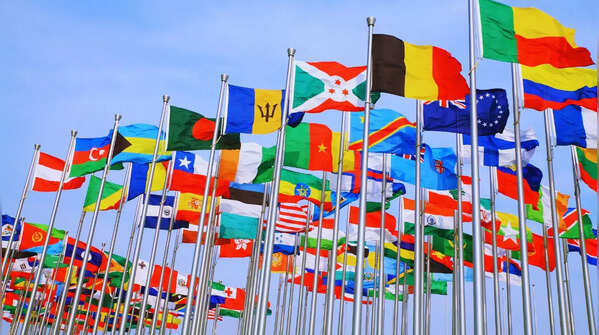
Flags are more than just cloth waving in the breeze, they are a symbol of identity, history, struggle, culture, and hope. Most country flags are designed with common elements such as rectangular shapes, bright colors, stars, stripes, and geometric designs. However, some are so unique that they immediately grab the attention of the world. Here are the 10 countries with the most unusual flags in the world.
Nepal
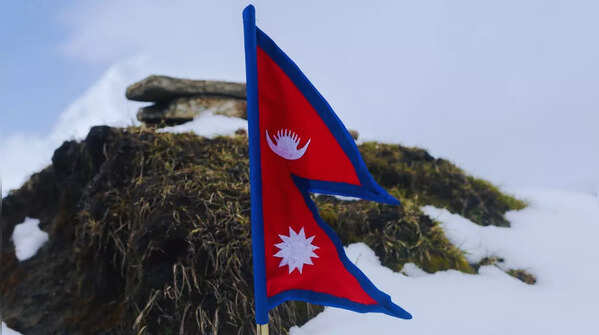
Nepal is the only country in the world that has a non-rectangular national flag. While most countries have flags that are shaped like a rectangle, the Nepalese flag is made up of two pennants that form a double triangle. The design dates back centuries and was standardised in 1962. The two triangular sections are often interpreted as representing the Himalayas, as well as the two major religions of the country, Hinduism and Buddhism. The crimson red symbolises bravery and is Nepal’s national colour, while the blue border represents peace. The celestial symbols, the sun and moon, signify hope and the idea that Nepal will endure as long as these heavenly bodies.
Mozambique
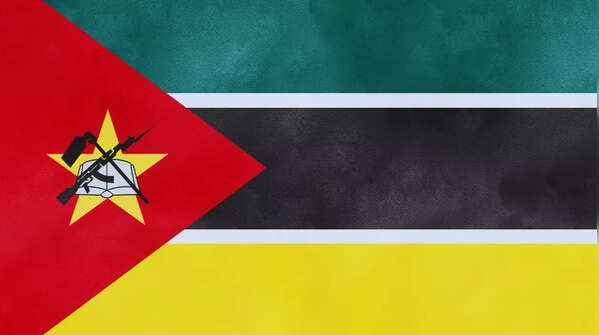
Mozambique’s flag is one of the very few national flags to feature a modern firearm. One of the most visible symbols is the AK-47 rifle with a bayonet attached, intersected with a hoe and an open book, all against a red triangle. The rifle symbolizes protection, the hoe represents agriculture, and the book represents education. Adopted in 1983 following independence from Portugal, the design reflects the country’s liberation struggle. It remains the only national flag in the world to depict a modern automatic weapon.
Belize
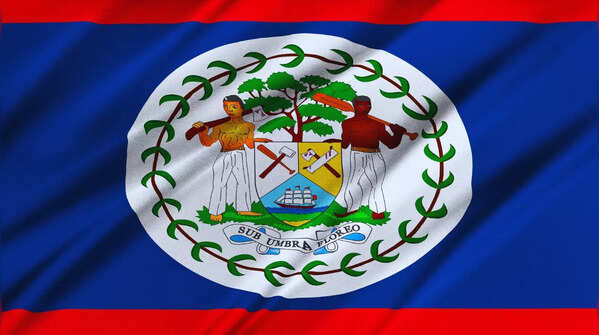
Belize’s flag is notable for being one of the few national flags to depict human figures.The coat of arms in the middle depicts two men, one from Africa and the other from Mestizo background, holding equipment used in the mahogany industry, which was a significant part of the colonial economy in Belize. In the background, there is a mahogany tree, and at the bottom, the national motto is written: Sub Umbra Floreo, which means “Under the Shade I Flourish.” The flag is a representation of the country’s ethnic diversity and economic past. In fact, very few national flags feature intricate human designs, making the Belize flag stand out.
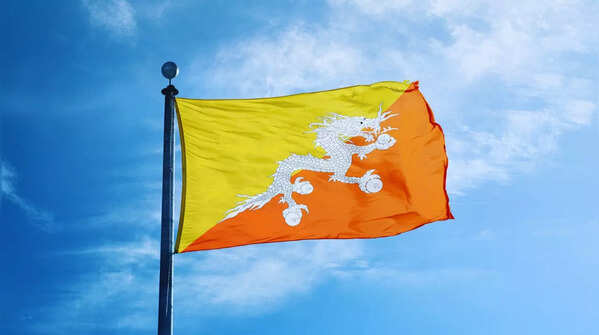
Bhutan
The flag of Bhutan is quite striking and unique. It has a white dragon named the Druk, which holds precious stones in its paws. The dragon represents the country’s traditional name, Druk Yul, which means “Land of the Thunder Dragon.” The flag is diagonally divided into yellow and orange hues. Yellow represents the power of the monarchy, while orange represents the country’s strong affiliation with Buddhism, which is a significant aspect of Bhutanese culture. The precious stones in the dragon’s paws symbolize the richness and safety of the country.
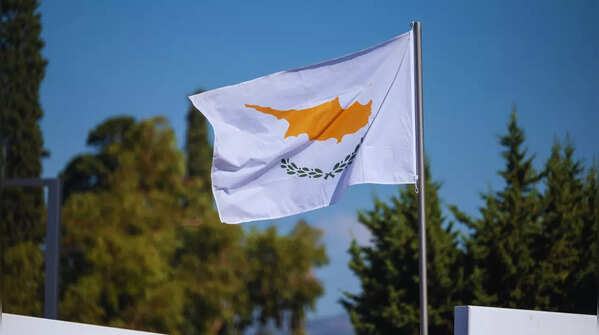
Cyprus
Cyprus stands out for placing a map of the country directly on its flag. The island is depicted in a copper-orange colour, a reference to Cyprus’s historic copper resources. Below the map are two olive branches symbolising peace between Greek Cypriots and Turkish Cypriots. Adopted in 1960 upon independence from British rule, it is one of the few national flags to feature a geographic outline of the country.
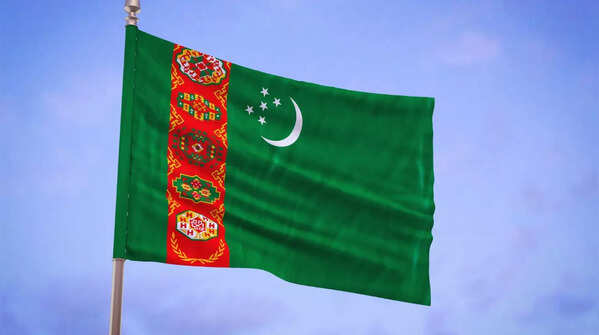
Turkmenistan
Often described as one of the most detailed national flags in the world, Turkmenistan’s flag features a vertical red stripe along the hoist side containing five traditional carpet guls (design motifs), representing the country’s major tribes. Above them are olive branches symbolising permanent neutrality, a status recognised by the United Nations. The green field stands for Islam and prosperity. The designs on the carpet are so intricate that it is one of the most complex flags in the world.
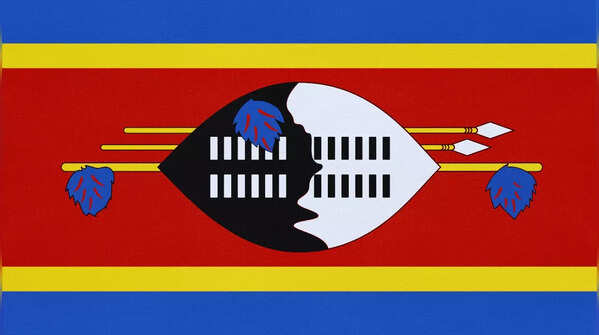
Eswatini
The flag of Eswatini features a large Nguni shield and two spears, symbolizing protection and the country’s preparedness to defend itself. The blue bands symbolise peace and stability, red represents past struggles, and yellow stands for the nation’s resources. Adopted in 1968 at independence (then the country was known as Swaziland), the design reflects traditional Swazi culture and royal symbolism. It is one of the few flags that so clearly incorporates traditional weaponry as a cultural emblem.
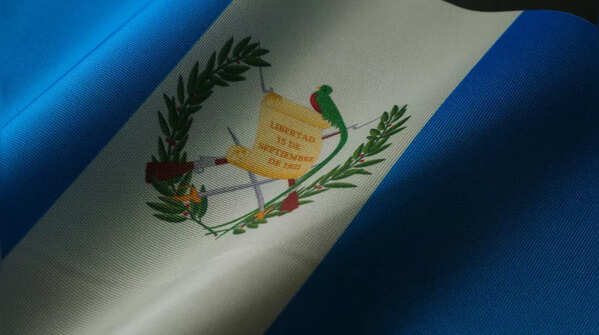
Guatemala
Guatemala’s flag features a detailed coat of arms centered on white, flanked by two blue vertical bands. The coat of arms includes a quetzal bird (the national bird), scroll, rifles, and crossed swords. The inclusion of weaponry and a bird in such detail makes the flag distinctive. The quetzal symbolises freedom, as the bird is said not to survive in captivity.
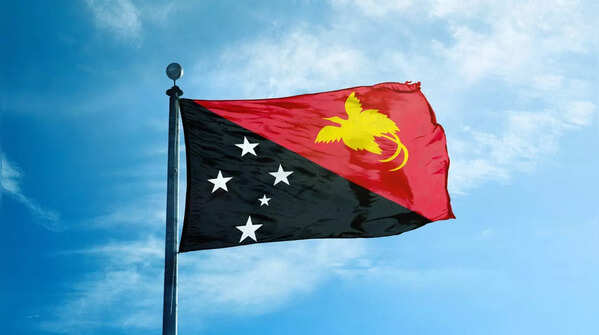
Papua New Guinea
Papua New Guinea’s flag is split diagonally into black and red sections. The flag features the Southern Cross constellation on one side and the bird of paradise in golden silhouette on the other side. The bird of paradise is an important cultural symbol and is found in the region.
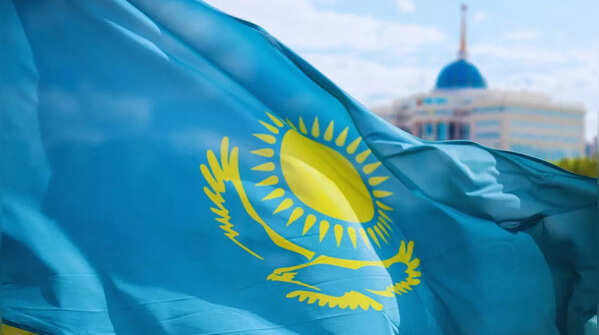
Kazakhstan
Kazakhstan’s flag features a golden sun with 32 rays above a soaring steppe eagle, set against a sky-blue background. Along the hoist side runs a vertical national ornamental pattern. The sun symbolises abundance and life, while the eagle represents freedom and power. The ornamental stripe is inspired by traditional Kazakh art. Its design is simple yet full of meaning.
Featured In lifestyle

MORE FROM ETIMES
life & style