
From Rabbit and Hare to Crocodile and Allegator: How these similar looking animals are intrinsically different
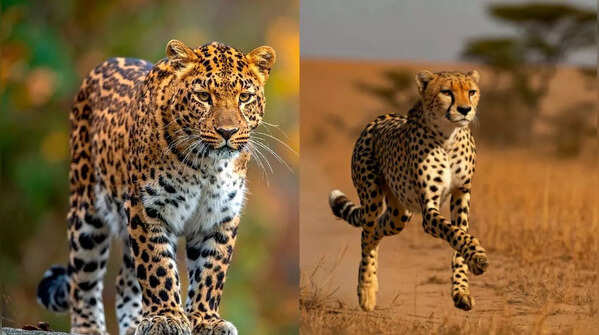
From Rabbit and Hare to Crocodile and Allegator: How these similar looking animals are intrinsically different
The natural world is full of deception when it comes to physical appearance. Many animals in the natural world look exactly alike at a casual inspection. As a result, it is presumed that these animals are from the same species. When you consider evolution, habits, and environments, it is evident that these different-looking animals are distinct from each other despite their similarities. Here are eight animals in the natural world that are almost exactly alike but different species.
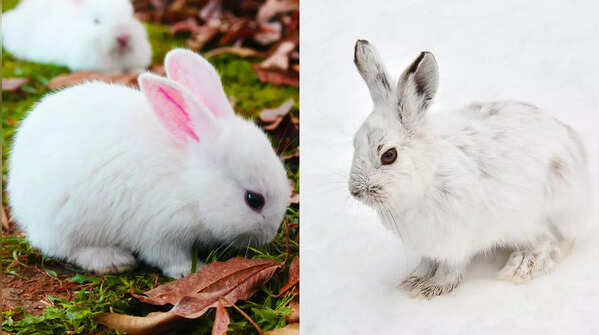
Rabbit and hare
Rabbits and hares are quite similar in appearance but are different species. Hares are larger in size and have black-tipped ears compared to rabbits. Rabbits are also born blind and naked when compared to hares who are born fully furred and sighted. Rabbits also live in underground burrows compared to hares who live in upland areas.
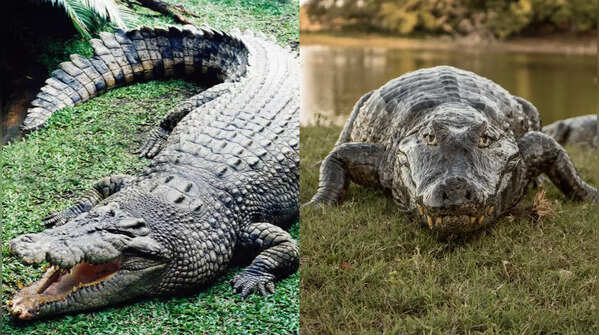
Crocodile and alligator
Having a similar body shape makes crocodiles and alligators look alike. However, they are different species belonging to distinct families. Crocodiles have a narrow and V-shaped snout. They are found in saltwater and freshwater. On the other hand, alligators have a wide and U-shaped snout. They are found in freshwater.
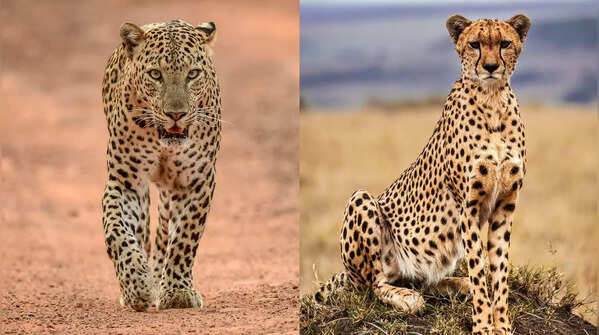
Leopard and cheetah
The leopard and cheetah also share a spotted coat but with varying patterns and capabilities. The cheetah has solid spots and a "tear line" on its face, while the leopard has rosette spots and is a sturdy and excellent climber.
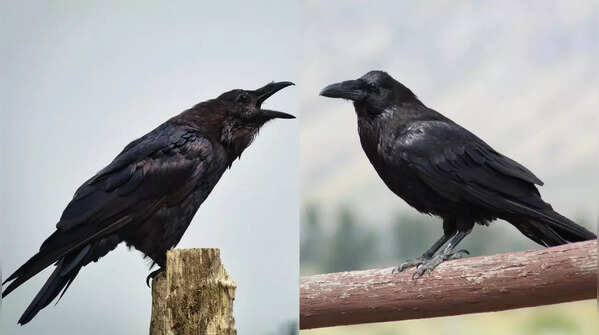
Crow and raven
Crows and ravens are related and share the same genus (Corvus), but they belong to different species. Ravens are larger, have a thicker beak, a wedge-shaped tail, and a deeper voice, while crows are smaller, have a fan tail, and are more social, often observed in large communities around human habitations.
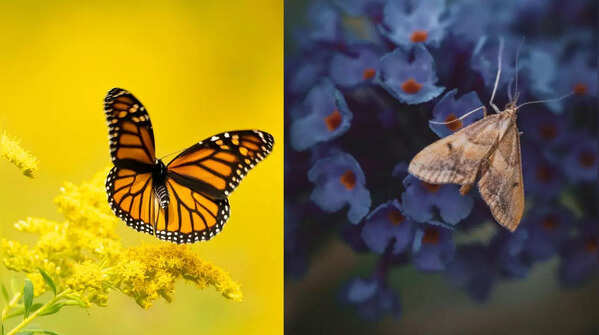
Butterfly and moth
Butterflies and moths are quite alike but have differences in the manner of their behaviour and physiology. Butterflies are active by day, have thin antennae, and are in a vertical rest position with wings closed. Moths are mainly nocturnal, have feathered antennae, and rest horizontally with wings spread.
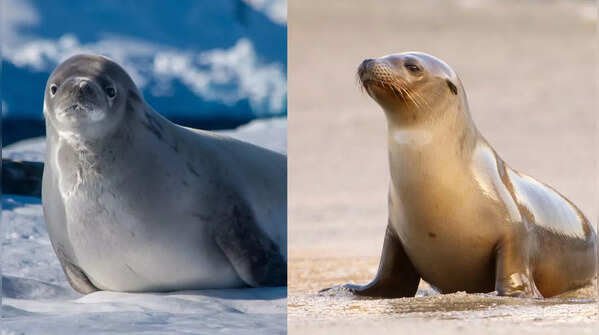
Seal and sea lion
Seals and sea lions are both classified as mammals, but sea lions have ears and can walk on their flippers, whereas seals have no ears and can wiggle on their bodies on land. Sea lions are also vocal and more social than seals.
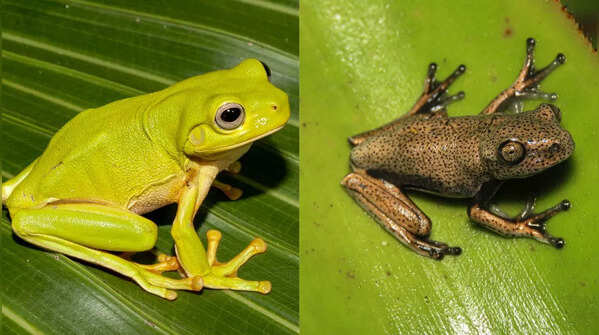
Frog and toad
A frog and a toad are closely related amphibians but are from different families. A frog has smooth and wet skin and long legs used for jumping or swimming. A toad has dry and rough skin and is intended for walking or inhabiting the earth.
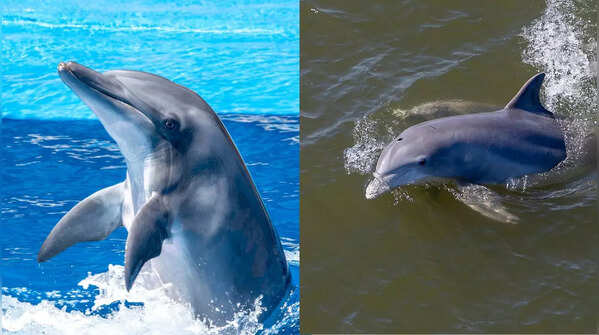
Dolphin and porpoise
Dolphins and porpoises look alike but differ in physical features and behaviour. Dolphins have longer beaks, curved dorsal fins, and are highly social and vocal. Porpoises have blunt snouts, triangular dorsal fins, and are generally smaller and more shy.
Often, animals that look alike have surprising differences. Whether it is mammals or birds, or reptiles or sea animals, each species has a trait that is characteristic of its nature and its surroundings. Noticing the differences in the animals that are often confused with each other is not only an educational experience in terms of learning more about animals but is a way of developing an appreciation for the way nature is complex. What appears alike is never the same.
Image Credits: Canva
Featured In lifestyle

MORE FROM ETIMES
life & style