
From Orchid Mantis to Stick Insect: 6 creatures that look just like plants
From Orchid Mantis to Stick Insect: 6 creatures that look just like plants
Nature is replete with incredible survival tactics, and one of the most intriguing of these is mimicry. There are creatures that have developed leaf, flower, twig, or even algae camouflage so effectively that it is often difficult for predators, as well as humans, to distinguish them from plants. Here, we will look at six incredible creatures that are almost indistinguishable from plants.
Image Credit: Canva
Leafy Sea Dragon
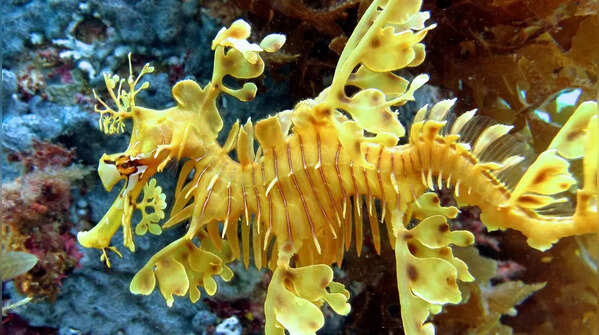
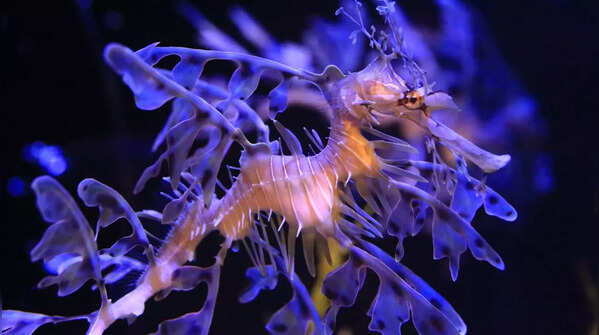
Native to the coastal areas of southern Australia, the leafy sea dragon is a camouflage expert. Its body is dotted with leaf-like appendages that look like seaweed floating in the water. Although these appendages do not aid in swimming, they are excellent for camouflage in kelp forests. It moves slowly with the currents of the ocean, resembling uprooted vegetation, thus shielding it from predators like larger fish.
Image Credit: Canva
Orchid Mantis
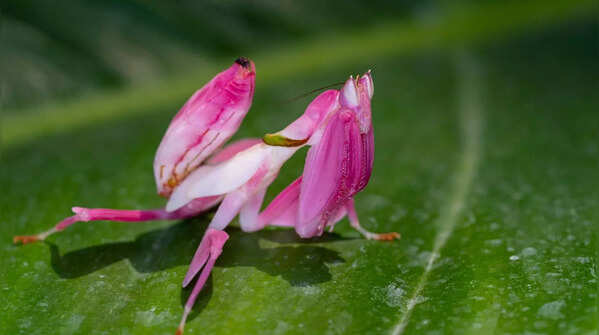
Found in Southeast Asian rainforests, the orchid mantis looks strikingly like a pink or white orchid flower. Its petal-shaped legs and delicate colouring attract pollinating insects, which it then captures for food. Unlike simple camouflage, this is aggressive mimicry where the predator imitates a plant to lure prey. Its beauty makes it one of the most visually stunning insects in the world.
Image Credit: Canva
Leaf-Tailed Gecko
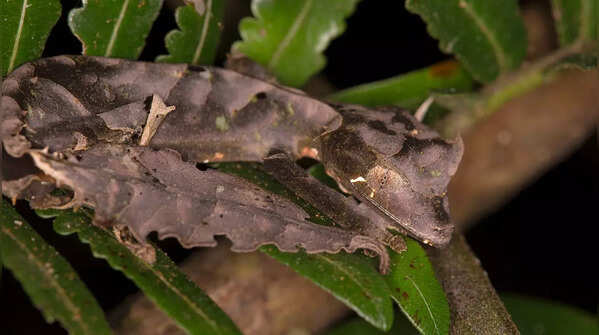
This unusual gecko from Madagascar blends perfectly into tree bark and dead leaves. Its flattened body, ragged tail edges, and mottled brown colouration make it nearly invisible in forest habitats. During the day, it remains motionless, mimicking a dry leaf attached to a branch. This camouflage helps it avoid birds and other predators in its dense rainforest environment.
Image Credit: Canva
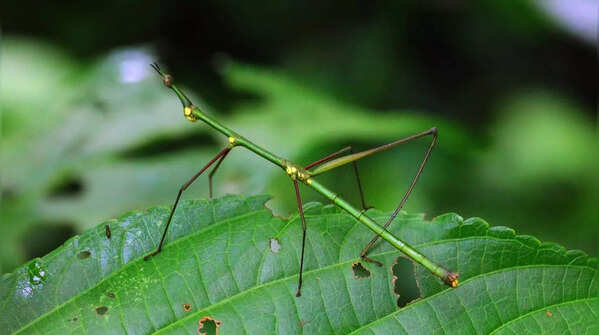
Stick Insect
Stick insects, or walking sticks, look like twigs or small branches. Their bodies are long and move in a slow, swaying motion, just like plants swaying in the breeze. They are found all over the world in forests and grasslands and use this camouflage extensively to avoid being noticed. Some species even have the ability to regrow lost limbs to improve their chances of survival in the wild.
Image Credit: Canva
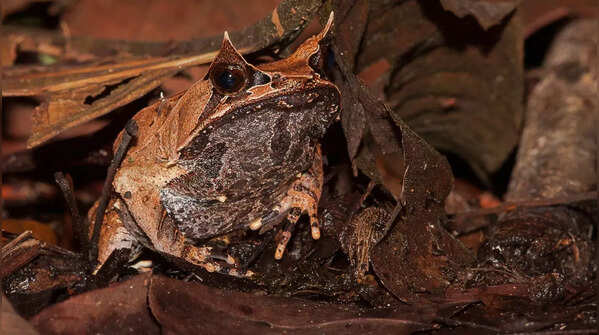
Malayan Leaf Frog
The Malayan leaf frog, found in Southeast Asia, has the amazing ability to resemble a fallen leaf. Its pointed snout is similar to that of a leaf, and its brownish-green skin is patterned to resemble leaf veins and patterns. Hiding in leaf litter in the forest, it is almost impossible to spot for predators. This helps it stay safe during the daytime when many predators are out hunting.
Image Credit: Canva
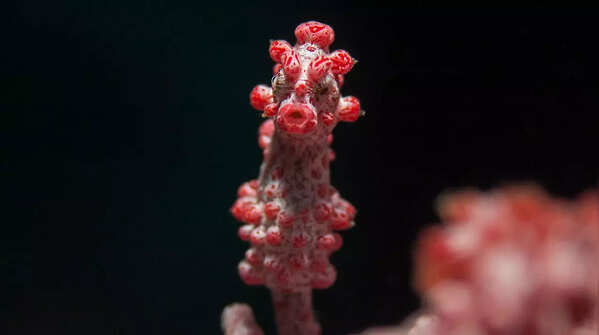
Pygmy Seahorse
The pygmy seahorse is found in the Indo-Pacific region hiding in coral reefs. Its small body and skin patterns are similar to the colour and texture of the coral it lives among, particularly gorgonian corals. This helps it stay safe from predators and makes it very hard to spot for divers. Its plant-like camouflage in the coral reefs helps it survive in a very crowded environment.
These animals demonstrate how as a result of evolution, the line between plant and animal life can become obscured. By resembling leaves, flowers, branches or coral, these animals give themselves a protective mechanism and a hunting advantage in their environment. These examples of adaptation serve as a reminder of the balance of nature and the cleverness of natural selection. The study of these plant-like animals is a reminder of the wonders of nature.
Image Credit: Canva
Featured In lifestyle

MORE FROM ETIMES
life & style