
Rice flour vs wheat flour: Which one is actually easier on the stomach?

Rice flour vs wheat flour
There is something deeply comforting about flour-based food in Indian kitchens. Soft rotis fresh off the tawa, steaming idlis on a rainy morning, crispy pakoras during evening chai, or homemade halwa that tastes like childhood. But lately, many people have started paying attention to a different question altogether: what happens after eating these foods?
The answer often comes down to digestion.
Bloating, heaviness, stomach cramps, acidity, sluggishness, or that uncomfortable “too full” feeling after meals are becoming increasingly common. And in many homes, the conversation quietly shifts toward flour choices. Is wheat making digestion harder? Is rice flour lighter? Is gluten the problem, or is it something else entirely?
The truth is more nuanced than social media trends suggest. Rice flour and wheat flour affect the body differently, and digestion depends on far more than simply calling one “healthy” and the other “bad.”

Why Rice flour feels lighter for many people
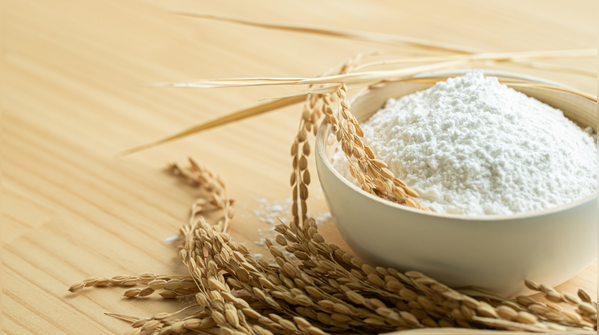
Rice flour is naturally gluten-free. Gluten is a protein found in wheat that gives dough its elasticity and chewiness. For many people, gluten is digested without any issue. But for others, especially those with celiac disease, gluten sensitivity, or certain digestive conditions, wheat can feel heavy and irritating.
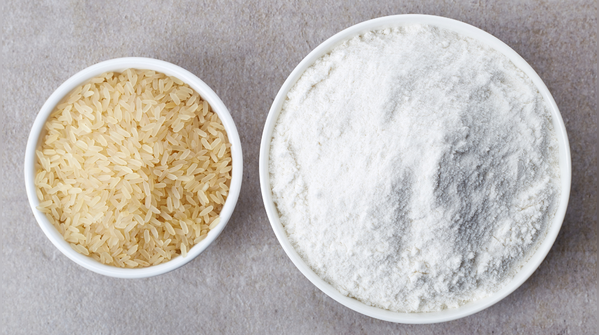
Rice flour, on the other hand, is simpler in structure and often gentler on the stomach. It is lower in certain fermentable carbohydrates that may trigger bloating in sensitive people. This is one reason why foods made from rice flour, such as idli, dosa, rice noodles, or steamed rice cakes, are often easier to digest.
In fact, doctors frequently recommend bland rice-based meals during stomach infections or digestive recovery because rice is generally soft on the gut.
A study published with Nutrients has repeatedly highlighted how gluten-free diets help patients with celiac disease recover intestinal health.
There is also a cultural reason behind rice flour’s reputation. Across South India and East India, rice-based breakfasts have long been associated with “light eating.” Grandmothers may not have used terms like gut microbiome or gluten intolerance, but many traditional food habits were built around comfort digestion.
But Wheat flour is not the villain it is made out to be
Wheat flour has suddenly become the internet’s favourite suspect. Yet for millions of people, wheat remains completely digestible and nutritionally valuable.
Whole wheat flour contains fibre, protein, B vitamins, and iron. The fibre helps bowel movement and can improve satiety. For healthy individuals without gluten-related disorders, wheat does not automatically damage digestion.
The problem often lies in how wheat is consumed today.
Oversized portions, ultra-refined maida products, deep-fried snacks, bakery foods loaded with preservatives, and late-night eating habits can make wheat-based meals harder to tolerate. The flour alone is not always responsible.
Research also shows that not all wheat varieties behave exactly the same way. Some studies have explored whether certain traditional wheat strains may trigger lower inflammatory responses compared to modern processed varieties, though more evidence is still needed before making strong conclusions.
That means a homemade phulka with dal and vegetables is very different from heavily processed instant noodles or packaged biscuits.
The real difference comes down to gluten
Gluten itself is not harmful for most people. But for people with celiac disease, even tiny amounts can damage the small intestine.
According to research, celiac disease is becoming more recognised in India, especially in wheat-eating regions.

Symptoms can include:
Chronic bloating
Loose stools
Unexplained fatigue
Iron deficiency
Stomach pain
Weight loss
Skin rashes
For these individuals, rice flour is clearly the safer option because it naturally avoids gluten exposure.
However, not everyone who feels “better” after reducing wheat necessarily has celiac disease. Some people may simply digest rice-based meals more comfortably because they are softer, lower in fibre, or easier to break down during stress or illness.
Digestion is also emotional. Stress changes gut movement, acid production, and even food tolerance. A heavy wheat meal eaten in a rush during office hours may feel very different from a simple homemade rice preparation eaten calmly.
How these flours should ideally be consumed
The healthiest flour is not always the trendiest one. It is usually the one that suits the body, digestion pattern, activity level, and medical condition.
Rice flour works best when paired with protein and fibre. Eating only refined rice flour products repeatedly may spike blood sugar quickly because rice flour is relatively high in carbohydrates and low in fibre. Pairing it with lentils, fermented batters, vegetables, or curd can balance digestion better.
That is one reason traditional foods like idli with sambar or rice rotis with fish curry feel satisfying rather than exhausting.
Wheat flour is often better tolerated when minimally processed and eaten fresh. Homemade atta rotis with vegetables, ghee in moderation, and adequate hydration support smoother digestion than packaged wheat snacks.
Fermented preparations also help. Fermentation partially breaks down compounds that can otherwise feel heavy in the stomach. Traditional Indian food wisdom quietly understood this long before nutrition labels existed.
Rice flour may help during digestive recovery
There are moments when the stomach simply wants rest.
After food poisoning, viral infections, acidity flare-ups, or episodes of indigestion, rice-based meals are often easier to tolerate. Soft rice porridge, rice flour pancakes, or lightly fermented rice dishes may reduce digestive strain temporarily.
This does not mean wheat is unhealthy forever. It simply means digestion changes according to the body’s condition.
Children, older adults, and people recovering from illness often tolerate softer rice preparations more comfortably because they require less digestive effort.
That is why hospitals across many countries continue to include simple rice-based meals in recovery diets.

So, which one wins?
If the question is purely about ease of digestion, rice flour usually has an advantage, especially for people with gluten sensitivity, stomach irritation, or digestive discomfort.
But wheat flour still remains nutritious and suitable for many healthy individuals.
The smarter approach is not choosing sides. It is understanding tolerance.
Some bodies thrive on wheat rotis every day without trouble. Others feel lighter after switching partially to rice-based meals. And some may need complete gluten avoidance under medical supervision.
Food does not need to become fear.
The body gives signals long before tests and diagnoses arrive. Paying attention to energy levels, bloating, bowel habits, and meal satisfaction may reveal more than diet trends ever will.
Disclaimer: This article is for informational purposes only and should not be considered medical advice. Individuals with persistent digestive symptoms, suspected gluten intolerance, celiac disease, IBS, or food allergies should consult a qualified doctor or registered dietitian before making major dietary changes.
Featured In etimes

