
- News
- lifestyle
- relationships
- Madhuri Dixit’s defence of Aishwarya Rai, at Cannes, signals a bigger revolt against ageism and sexism
Trending
Madhuri Dixit’s defence of Aishwarya Rai, at Cannes, signals a bigger revolt against ageism and sexism

Madhuri Dixit's defence of Aishwarya Rai's trolling at Cannes is a movement, not a statement

“You cannot reduce her to a number on a scale, or a number on the dress, or a size or a number on the calendar years. You CANNOT reduce her to that.” That was Madhuri Dixit clapping back to the trolling of Aishwarya Rai at Cannes. For decades, when it comes to women, the ageing process has been treated not just as a biological reality, but as a heavily gendered social construct designed to marginalize them. What’s new is the instant pushback.
![Re[Frame] In Colour - The 79th Annual Cannes Film Festival (2)](https://static.toiimg.com/photo/msid-131439751/reframe-in-colour-the-79th-annual-cannes-film-festival-2.jpg "American writer and critic Susan Sontag had argued in her foundational 1972 essay, The Double Standard of Aging, that growing older in industrialized societies is \"mainly an ordeal of the imagination — a moral disease, a social pathology\" That was what Dixit conveyed with her pushback of trolling Aishwarya Rai, at Cannes, over her age, looks and weight. ")
American writer and critic Susan Sontag had argued in her foundational 1972 essay, The Double Standard of Aging, that growing older in industrialized societies is "mainly an ordeal of the imagination — a moral disease, a social pathology" That was what Dixit conveyed with her pushback of trolling Aishwarya Rai, at Cannes, over her age, looks and weight.
“Women are half the population and we get older. So where are the stories about us?”

British actor Emma Thompson said recently: "The older we get, the more interesting we are. I want to see more films centre ageing women. We are compelling, relatable, and overdue for centre stage. Older women don't need permission to exist on screen. They already exist in the world, cinema just needs to catch up.”
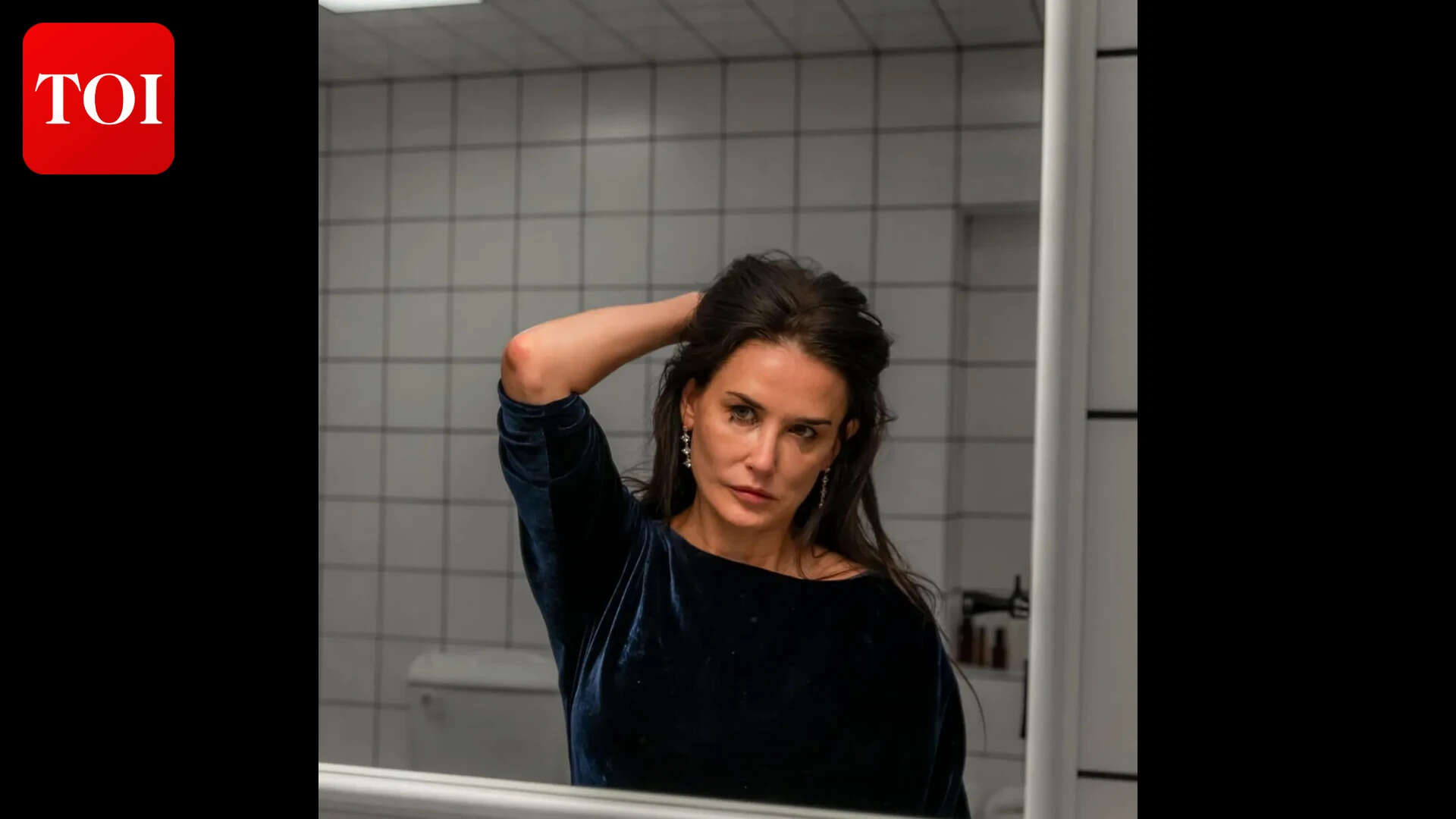
The artistic rebellion is turning the tide. Demi Moore’s critically acclaimed and commercially successful performance in The Substance (2024)—a body-horror film that directly satirizes the violence of ageist beauty standards—has sparked global conversations about ageism.
Campaign against discrimination at workplaces across the globe
The ‘Goldilocks Syndrome’
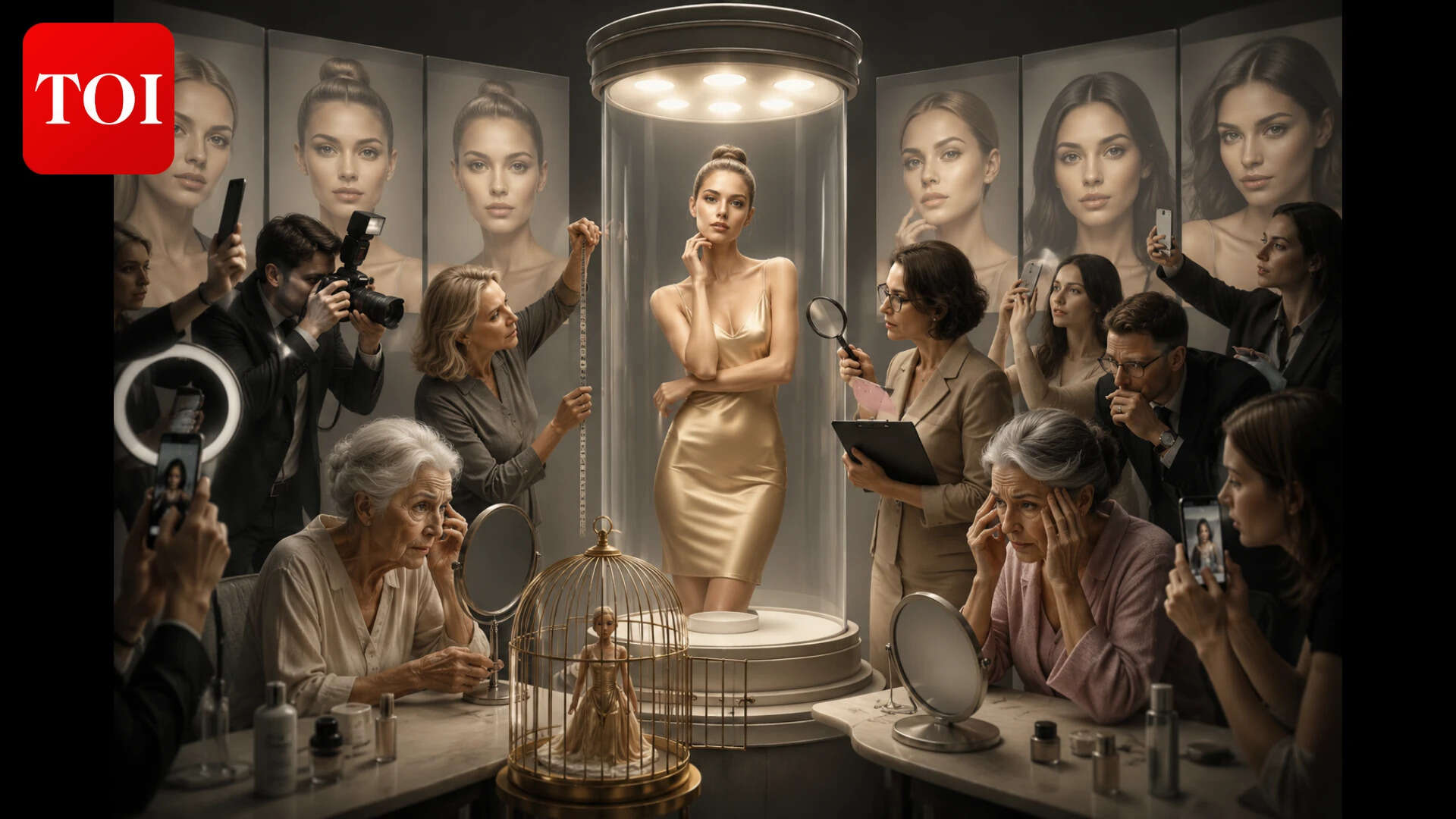
In professional environments, age bias occurs across the entire career life cycle, creating a "never-right" age bias where there is no acceptable age for a woman leader. This dynamic, often termed the ‘Goldilocks Syndrome,’ was documented in a landmark study of 913 women leaders across higher education, faith-based nonprofits, law, and healthcare by researchers.
- Youngism (< 40 years): Younger women face the conflation of chronological age with cognitive and professional immaturity, leading to "role incredulity" where they are mistaken for support staff, secretarial help, or students. They are subjected to patronizing "pet names," and their physical appearance is scrutinized while their performance is ignored.
- Midlife (40–60 years): As women enter midlife, search committees routinely pass them over for promotion, citing "too much family responsibility" or "menopause-related issues". Simultaneously, they face intense lookism; an AARP survey revealed that 88% of working women feel pressure to look or act a certain way, including pressure to lose weight (68%), dye gray hair (49%), use makeup (57%), or undergo invasive cosmetic procedures like Botox and fillers (39%).
- Older (> 60 years): Older women are viewed as having declining cognitive capacity and no growth potential, with organizations refusing to invest in their mentoring or development.
Gen Xers are leading the fight

A collective movement is rising to demand systemic, institutional equity. Midlife and older women represent the fastest-growing workforce demographic on the planet, and they are leveraging their collective economic footprint to demand fair compensation, equitable pension structures, and a formal valuation of their skills.
Age stereotypes is actually making women age faster

The consequences of defying gendered ageism extend far beyond economic and professional reclamation; they exert a direct, measurable toll on women's physical health and longevity. Especially since society rewards men as they get old, but punish women for not fitting men's idea of beauty. (AI generated)
- The Psychological Pathway: Internalizing negative stereotypes triggers intense aging anxiety, causing individuals to view normal physical changes as a loss of agency and value.
- The Behavioral Pathway: Believing that physical decline is inevitable discourages individuals from engaging in preventive health measures, active lifestyles, or seeking medical care for treatable conditions.
- The Physiological Pathway: Negative age stereotypes trigger cardiovascular stress responses, releasing toxic levels of cortisol and C-reactive protein. This chronic cortisol elevation damages specific brain structures, particularly the hippocampus, which is essential for memory consolidation and emotional regulation.
- The Cognitive Pathway: Chronic stress hormones impair brain plasticity, but defying these stereotypes reduces the risk of dementia by 50%, even among individuals carrying the ApoE4 gene.

About the AuthorHaimanti Mukherjee
End of Article
Follow Us On Social Media
Health +
Tired of too many ads?go ad free now
lifestyle videos
Featured In Lifestyle

Tired of too many ads?go ad free now




Hot on the Web
Ajith KumarAneet PaddaDon 3 ControversyVijaySobhita DhulipalaRanveer SinghNarendra ModiHarsh GoenkaMaya JamaDua LipaTraditional Desi DrinksPM Modi DietKD: The Devil OTT ReleaseDrishyam 3 Box Office CollectionMohanlalKattalan Box Office CollectionBobby DeolVirat KohliChand Mera Dil Box Office CollectionPati Patni Aur Woh Do Box Office CollectionSuriyaKaruppu Box Office CollectionMansoor KhanMini MathurGuru Purnima 2026Neeraj Chopra HouseDiljit DosanjhDhurandhar 2 Box Office CollectionBlast Box Office CollectionHoroscope TodayMahmud Sadis BubaParveen ShaikhUS Powerball LotteryGemini AI Prompts For EidOla Compensation CaseINS KolkataNyt ConnectionsMercedes Benz G580Jellyfish That Never DiesGoogle Release MosquitoesDelivery Firm Refund DeniedCaptions For Instagram Posts
Trending Topics
Latest MoviesBollywood MoviesHollywood MoviesTamil Movies 2026Telugu Movies 2026Malayalam Movies 2026Kannada MoviesMarathi MoviesBengali Movies 2026Top Rated Movies 2026Best Hindi MoviesBest English MoviesBest Telugu MoviesBest Tamil MoviesBest Malayalam MoviesBest Kannada MoviesBest Bengali MoviesUpcoming Hindi MoviesBest Movies Of All TimeBest Hindi Movies of All TimeLatest English MoviesLatest Malayalam MoviesEnglish TV NewsTamil TV NewsTelugu TV NewsMalayalam TV NewsKannada TV NewsMovie ReviewsBhojpuri Cinema NewsGujarati Cinema News
Popular Categories
Viral NewsK Pop NewsWeb Series NewsAnime NewsUpcoming English MoviesUpcoming Tamil MoviesUpcoming Telugu MoviesUpcoming Malayalam MoviesUpcoming Kannada MoviesFashion TipsTravel NewsEntertainment NewsBollywood NewsTollywood NewsKollywood NewsMollywood NewsFood NewsLatest Hindi MoviesLatest Tamil MoviesParenting TipsHome RemediesWeight LossBeauty TipsParenting TipsHindi VideosHindi Video SongsBhojpuri Music VideosLatest Telugu MoviesBhojpuri Music VideoHindi TV News
Latest News
Hazaribag man drowns while fishing in lake"Behen Darr Gayi!": Fans relive ‘Bhagam Bhag’ era after watching Akshay Kumar's 'Bhooth Bangla' trailerMBOSE HSLC result 2026 to release tomorrow: Check details hereIran war risk: JPMorgan CEO Jamie Dimon warns of oil shocks, sticky inflation and higher interest ratesMake your clutch last longer with these easy driving tips“Three-against-one situation”: El Rubius opens up on being “targeted” in MrBeast’s viral $1M challengeBihar BTSC lab assistant notification released for 1091 posts at btsc.bihar.gov.in; apply hereIPL craze costs techie Rs 1.46 lakh in fake RCB vs CSK ticket scamRaising “robot-proof” kids: Why creativity and curiosity matter more than everInside ‘Satguru Sharan’: Exploring Saif Ali Khan and Kareena Kapoor Khan’s Rs 100 crore Bandra homeHow selling Alaska in 1867 was a costly mistake for Russia'Hera Pheri 3 is coming': Paresh Rawal dismisses delay reports and reveals he will 'start shooting soon'US-Iran War: A daring rescue Hollywood blockbuster is on its way. Till then, pick your favourite from these 10 films on bringing someone home against all oddsKolkata team unveils fan mural at Rash Behari Avenue, celebrating city’s first loveHow US spread a lie to rescue a pilot of a jet shot down in IranNetflix unveils ‘VOID’, an AI model that can change a movie plotAI data centers are causing 'stress' not just to tech companies, but also private insurers"Trans women are.....": Clavicular’s viral moment with trans women sparks fresh conversation on internet culture