
- News
- lifestyle
- parenting
- teens-adolescents
- Coronavirus: COVID vaccination for 15-18 age group begins today; from registration to side effects, here's everything parents need to know
Coronavirus: COVID vaccination for 15-18 age group begins today; from registration to side effects, here's everything parents need to know
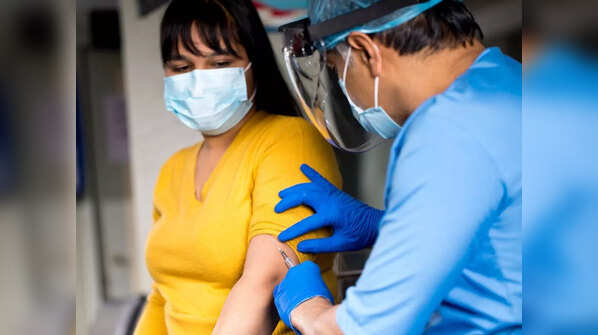
What parents need to know about COVID-19 vaccines for kids
Almost a year ago, coronavirus vaccination drive began in full swing for people aged 65 and above. Over time, adults 18 and beyond were prioritized for the same and many have received one or both the doses of COVID-19 vaccines.
Finally now, after a year of worry and anxiety, parents breathe a sigh of relief as their children are set to receive their first dose of vaccine shot. Teens falling in the 15-17 age groups are eligible for vaccination in the country from today (January 3). As per the guidelines issued by the Union Health Ministry, “all those whose birth year is 2007” or before, shall be eligible for the vaccines.
Read also: Coronavirus: Could Omicron variant act as a 'natural vaccine'? We try to find out
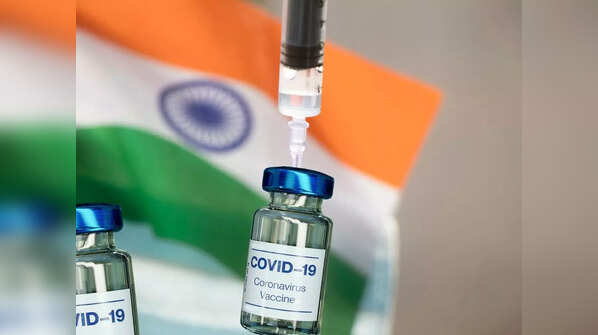
Which coronavirus vaccine is available for kids?
Health officials have announced that for now, the only vaccine option available for kids is Bharat Biotech's Covaxin. It has been granted approval for restricted use in an emergency situation in the age group between 12 and 18 years.
However, CoWIN chief Dr RS Sharma had earlier said that children will have an option to choose between Bharat Biotech’s Covaxin and Zydus Cadila’s jab. Even though Zydus Cadila's COVID-19 vaccine ZyCoV-D received the Emergency Use Authorisation (EUA) from the drug regulator on August 20, it is yet to be launched in the country. It was actually the first COVID-19 vaccine approved for use in kids between the ages of 12-18.
Read also: Coronavirus: Two new Omicron symptoms that have come to light
How to register?
CoWIN registrations for kids in the age group 15-18 began on Saturday, January 1. However, the onsite registration will begin today. With the help of valid ID cards, kids can book a slot on the App. According to Dr R S Sharma, Cowin platform chief, besides Aadhaar and other national identity cards, children can use their class 10th ID card for registration.

COVID-19 vaccine side effects to watch out for in kids
Dr Vikas Taneja, HOD - Pediatrics, HCMCT Manipal Hospital, Dwarka, says that extreme side effects or reactions from COVID-19 vaccines are extremely rare.
"Some children might experience low grade fever, body aches for a day or two but it is really self resolving and as far as treatment, only paracetamol is required," he says.
"In case, a child has a medical or family history of reaction to any vaccine in the past, then the parents should be more cautious and must inform this to the medical facility before the vaccination," the doctor adds further.
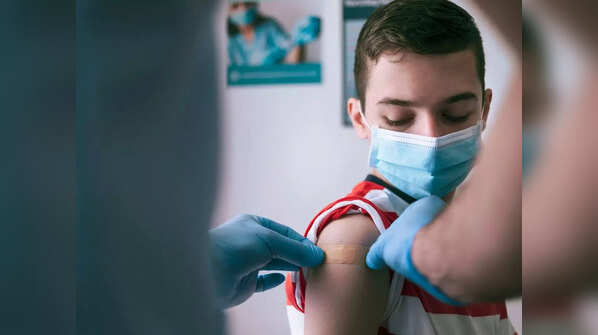
Is the 15-minute observation period post vaccination necessary for kids too?
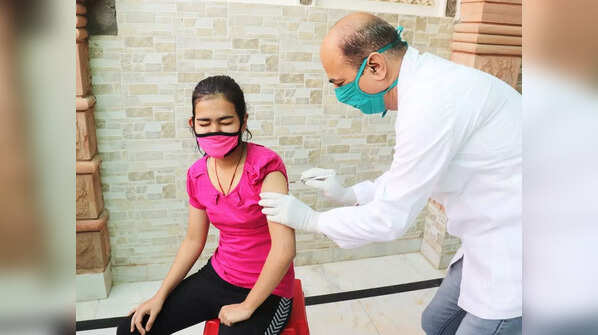
Post COVID-19 vaccination, medical professionals recommend waiting at the vaccination centre for at least 15 minutes. This is to ensure the safety of people who may develop adverse reactions from the coronavirus vaccine. The waiting period allows the medical team to observe vaccinated individuals and treat them immediately, in case of any complications.
The same applies to children, who will be receiving their COVID-19 vaccines. On being asked about the same, Dr. Taneja says, "Yes, by the rules 30 minutes is the minimum time to observe if there are any side effects. So it should not worry the kids and their parents."
What parents can do if their children experience fever or heachache post-vaccination?
It is common to experience mild to moderate side effects post vaccination. This indicates that your body’s immune system is responding to the vaccine, specifically the antigen and preparing to combat the actual virus when it infects you. That's not to say that having no side effects means that the vaccine is ineffective. Not at all!
However, in case your child experiences symptoms like fever, fatigue, headache, it is easily manageable at home. "In case of any other fever, headache or pain at the injection site one can take a dose of paracetamol under parent's guidance," says Dr Taneja.
Apart from that, proper rest, a healthy diet and staying hydrated can revive your child back to normal.
Bottomline
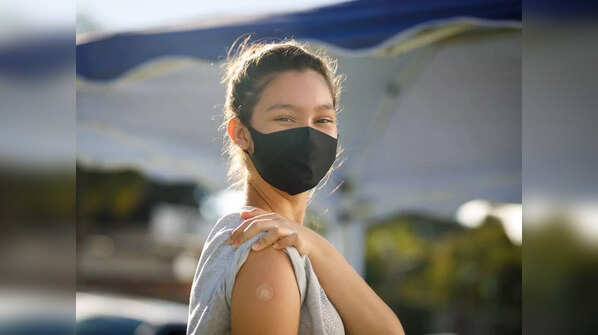
As coronavirus vaccination kickstarts for the minor population, the first thing that creeps into any parents' mind is whether or not the vaccines are safe for their kids. Debates and discussions have been ongoing for a long time, but experts continue to urge everyone to get their vaccine shots.
"We now have significant data available to ensure that vaccines are safe and two doses in adults are effective in fighting against COVID," says Dr. Taneja.
He believes that vaccinating kids will only expose them to milder illnesses and that there is no room for delay. "Although, at present, there have been no severe cases of COVID-19 among children, but for future and prevention of any severity, COVID vaccine is advisable for children," he adds.
Featured In lifestyle

