
- News
- lifestyle
- parenting
- parentology
- 8 everyday habits that build strong problem-solving skills in kids
8 everyday habits that build strong problem-solving skills in kids
8 everyday habits that build strong problem-solving skills in kids
In a world full of challenges and constant change, one skill can make a huge difference in a child's future: problem-solving. Children who know how to think through difficulties, explore solutions, and make decisions with confidence are better prepared for school, relationships, and life. The good news is that problem-solving skills are not something children are simply born with. They develop over time through everyday experiences and habits. By encouraging a few simple practices at home, parents can help their children become confident and capable problem-solvers.

Let them make small decisions daily
Problem-solving starts with making decisions. If you give children chances to make choices that are right for their age, they will understand how the choices they make affect what happens next. Let them choose what clothes to wear, plan something to do on the weekend, or decide how to plan their study time. Children can get better at it if they practice making decisions and solving problems.

Encourage kids to think before asking for help
A lot of parents want to help their child when they have a problem. It is good to help. If parents always give their child the answers, it can stop their child from thinking on their own. When your child has a problem, ask them questions like "What do you think you can do to solve this problem?" "Can you think of another way to solve this problem?" These questions help children stop and think and look for solutions by themselves.

Turn everyday challenges into learning opportunities
Daily life is full of things that can help kids get better at solving problems. If a kid loses a toy, or they do not agree with their brother or sister, or they have a project at school, these things can be chances for them to learn. When something like this happens, do not fix the problem away. Instead, help the kid figure it out. Help them see what the problem is, think about what they can do to solve it, and decide which solution is the one.

Encourage curiosity and questions
Kids who are curious are usually good at solving problems because they like to find answers and try things. Make a place where kids feel free to ask questions. When they ask about things like animals or science or people or things that happen every day, talk to them about it. Help them learn more. Being curious helps kids think critically and understand the world better.

Allow mistakes and learn from them
Many children become afraid of making mistakes because they worry about failure or criticism. However, mistakes are one of the most powerful teachers. When children make errors, avoid focusing only on what went wrong. Instead, discuss what they learned and what they might do differently next time. This teaches resilience and helps them view problems as opportunities to grow rather than reasons to give up.
Introduce activities that challenge the mind
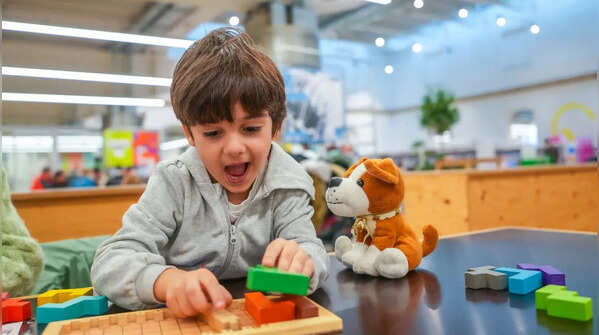
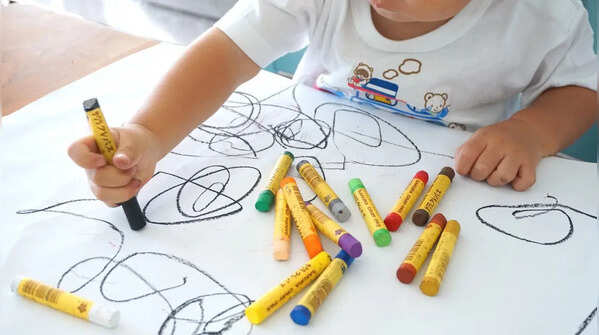
There are games and things to do that can really help kids get better at solving problems. Things like puzzles, blocks, games that make you think, brain teasers, and projects that let kids be creative are all good. These things help kids look at situations, try out ideas, and find solutions. Kids have fun doing these things. They get better at thinking and learning at the same time.

Teach kids to break big problems into smaller steps
Children can feel really scared when they have problems to deal with. So it is an idea to teach children how to break down big tasks into smaller tasks that they can handle. When children have a school assignment to finish or they are getting ready for a party, help them focus on one thing at a time. This way children will not feel so stressed. They can find solutions to their problems more easily.
Be a problem-solving role model
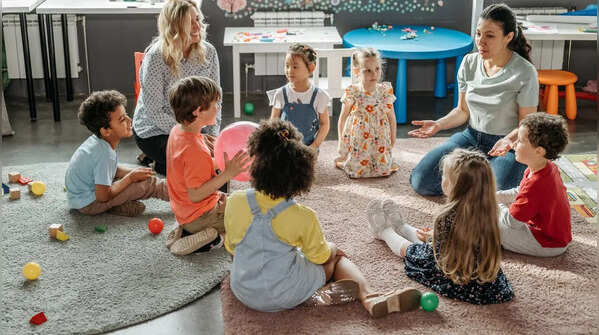
Children watch their parents. Learn from them. The way parents deal with problems affects how children deal with problems in their lives. When parents have a problem, they should talk to their children about how they're thinking and what they are going to do. Parents should explain how they think about options and what might happen if they make certain choices. This shows children how to solve problems in life.

Raising confident problem-solvers
Children learn how to solve problems by dealing with things that happen every day. Every time children make a choice or solve a problem or learn from a mistake, they get better at thinking for themselves. If parents encourage children to do these things every day, children will become more confident. They will be able to deal with problems more easily. The goal is not to make sure children never have any problems but to give children the skills they need to deal with problems in a creative way. This will help children feel confident when they have to deal with problem-solving and challenges, and children will be able to solve problems on their own.
Featured In lifestyle

