
- News
- lifestyle
- parenting
- parenting-stories
- Why some teens can't get along with their parents: Sadhguru explains the real reason for the clash
Why some teens can't get along with their parents: Sadhguru explains the real reason for the clash

Why some teens can't get along with their parents: Sadhguru explains the real reason for the clash
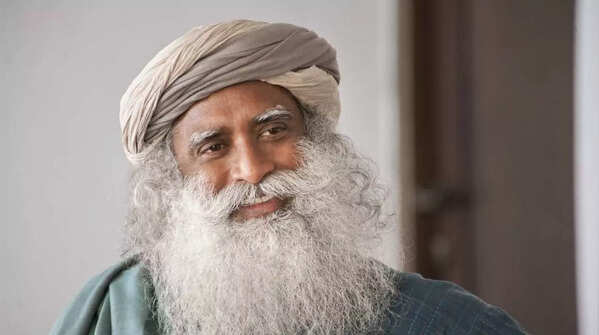
Conflicts between teenagers and parents are misunderstood as attitude problems or generational gaps. Sadhguru gives a deeper, timeless explanation to this. He says this tension has nothing to do with modern lifestyles; it is a natural struggle for space, identity, and independence. From human society to ancient traditions, including animal behaviour, Sadhguru brings out parallels on why emotional clashes arise and how wisdom, and not control, is the real solution. Here are his insights, explained from five key perspectives.

The real battle is over space, not about love
According to Sadhguru, what is happening between parents and teenagers is not a question of hate or lack of love; it is a question of space. The teenage children feel that they are "old enough" to handle their lives, while the parents are unwilling to accept that they are getting older and should step back. Where both are trying to occupy the same space, one emotive and one decision-making space, friction is inevitable. It is just like two forces running into each other. Love is there, but without space, love also becomes conflict.

The ‘young bull vs big bull’ analogy explains all
To simplify this, Sadhguru uses the powerful analogy of elephants. A young bull elephant becomes aggressive when the older, stronger bull refuses to vacate space. The younger one wants dominance but lacks the strength, leading to frustration and chaos. Teenagers go through something similar. They want independence but don't have full emotional or life strength yet. Parents, in holding onto them too tightly, unknowingly trigger rebellion. It is instinctive rather than a deliberate clash emanating from disrespect, but rather from growth and survival.

Ancient systems allowed natural separation
That's where Sadhguru says traditional Indian systems like Varnashrama Dharma were structured to keep away these clashes. Life had been divided into stages: one grows up and plays in childhood, trains and learns in youth, takes on responsibilities in adulthood, and withers away in withdrawal and wisdom later. The expectation was that parents should reciprocate and withdraw as children grow older. This natural separation kept life in harmony. Contrastingly, the modern family remains emotionally crowded, where parents and grown children jostle for the same authority and relevance.
Distance often preserves the relationships
One striking observation Sadhguru makes is that children who live away from their parents often share better relationships with them. This is not because anyone is bad, but because distance provides emotional breathing space. When strong, capable parents and strong, growing children live constantly together, clashes are unavoidable. However, when space is introduced through independence or emotional detachment-mutual respect and affection return naturally. Space, he says, is not abandonment; it is emotional intelligence.

With ageing parents, wisdom has to replace control
Sadhguru: I think it is largely the responsibility of the parents. Parents need to consciously step back as they grow older and only offer wisdom, not control. If the parents develop insight, balance and maturity, teenagers will naturally look up to them. But if parents expose their insecurities, fears and emotional turmoil, children lose respect. Teenagers do not need dominance; they need guidance that is worth emulating. If parents deserve reverence for their wisdom, then co-existence is possible without constant conflict.
Featured In lifestyle

MORE FROM ETIMES
life & style