
- News
- lifestyle
- parenting
- parenting-stories
- How to nurture cooperation and positive discipline in toddlers?
How to nurture cooperation and positive discipline in toddlers?

Parenting is complex
Parenting is possibly one of the most complex and yet rewarding experiences in one’s life. While parental instinct is natural to parents, there are instances where they might find themselves confused and frustrated by the seemingly endless challenges of parenthood. However, there is good news for parents. Addressing challenges like bedtime issues, picky eating, tantrums, behaviour problems, and risk-taking, among others, have solutions that can be achieved through the power of widely utilised approaches like ‘positive discipline’.

What is positive discipline?
Positive discipline is an approach that emphasises teaching and guiding children through respectful communication and constructive methods, clearly defining the difference between appropriate and inappropriate behaviour. It involves setting clear boundaries, promoting open dialogue, and encouraging problem-solving skills.
Sibi Fakih, child counsellor, Lead curriculum development, Kangaroo Kids says, “Positive discipline facilitates essential qualities like accountability, collaboration, and self-control, which can significantly reduce bad behaviour over time. It offers practical guidance and promotes self-control, teaches responsibility, enables them to make thoughtful choices, and allows them to be able to think and make wise decisions between right and wrong. Positive discipline further equips children to make independent choices without being influenced by bad actions.”
The toddler age is a period of curiosity and learning during which children need understanding and constant encouragement from their parents and caregivers. As they mature, they begin to seek more independence and therefore, it becomes crucial for parents to interact with them patiently and provide them with explanations that offer logical reasoning behind various matters.
Ways to implement positive discipline
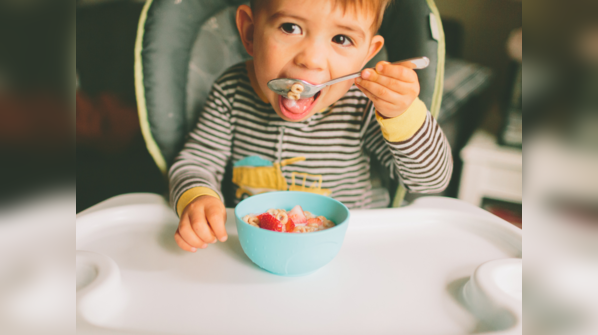
Clear Communication
Setting rules collaboratively and affectionately stands more effective in a child’s upbringing. While setting rules, telling them the causes and consequences is essential. Explain to them how the rule is beneficial for them or how it is in place so that it doesn’t harm others. For example, elaborate on why playing with glass objects around the house is not allowed. Helping them understand the importance of specific rules will allow children to think logically
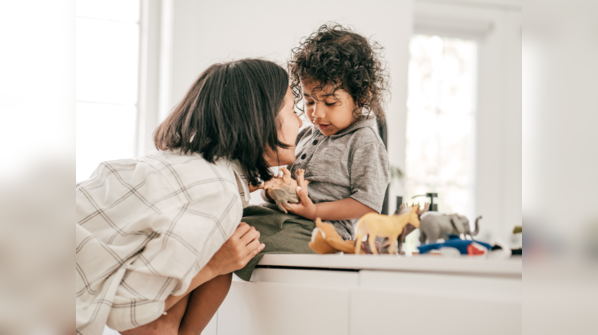
Setting Expectations
As parents, laying down realistic rules and expectations according to the child's ability is essential. While the results can take longer than expected, parents need to be patient in this process. In the need to expect fast results, laying unrealistic expectations will not only frustrate parents but will also confuse and burden the child. Educating children about acceptable behaviour through knowledge transfer from a parent to a child is helpful for their development.
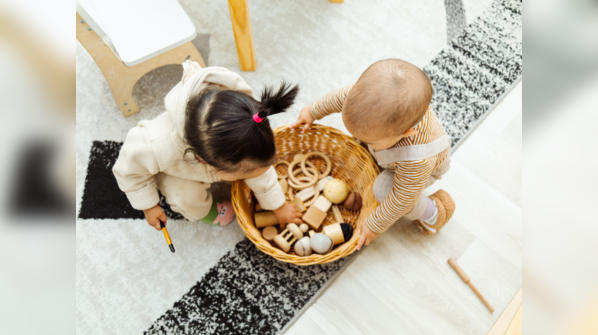
Building Connection
Time well spent with toddlers can build a strong bond between the child and the parent. Promoting trust, cooperation, reliability, and satisfaction over the course of time develops a sense of comfort. Connection-building activities like gardening, painting, singing, or distributing minimal house chores will allow the child to experience contentment and responsibility.
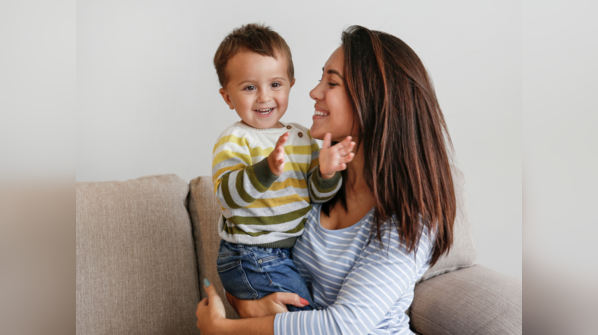
Positive Reinforcement
An encouraging parent can motivate a child to be more productive. No matter what the progress is, parents must appreciate and congratulate the efforts taken by their child rather than constantly depreciating, criticising, or finding faults. The power of praise and encouragement will develop cooperation and promote good behaviour among children.

Time-In instead of Time-out
Time-out is a traditional approach to keeping the child grounded by letting them be in the room alone, as a form of punishment. Instead of a "time-out" approach, time-in is an inclusive approach that parents should adopt. "Time-in" is an approach where parents stay with the child to calm them during challenging moments. Through this, parents convey to the child that “I’m right here by your side, take your time to calm down and we can work this out together.”
Inspiring parents will be positive role models. Children often imitate actions they witness, making parental actions a powerful teaching tool. By modelling kindness, patience, and empathy, parents shape their children's character and foster a nurturing environment for healthy growth and development.
Toddlers gain a reassuring sense of security and predictability through steady routines. Have a fixed sleep schedule, mealtime, and playtime during the day. If you read to them, then have a specific period when you do that, for example, right before going to bed. By upholding a consistent approach to behaviour management, parents create an environment where expectations are clear and reliable, allowing young children to thrive and develop a strong foundation for self-regulation and emotional well-being.
Featured In lifestyle

