
- News
- lifestyle
- home-garden
- The one watering mistake killing plants in Indian summers
The one watering mistake killing plants in Indian summers
The one watering mistake killing plants in Indian summers
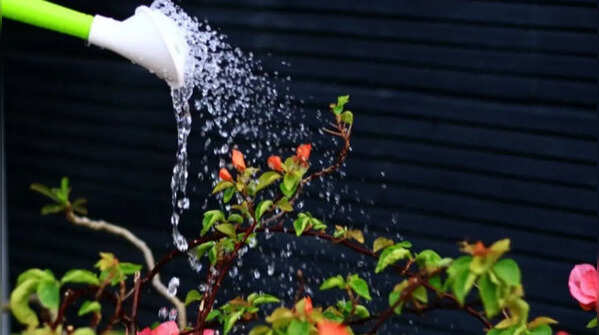
Indian summers are particularly tough for home gardens located in balconies, terraces, and other outdoor locations where potted plants get exposed to direct sunlight for long durations. In heat waves, plant owners usually tend to think that increased watering is a must for their plants. But gardening experts have always stated that one of the most common mistakes made by people is overwatering their plants during hot weather. Interestingly, in some cases, excessive watering could end up damaging the plants' roots and weakening them, leading to quick death compared to temporary dryness. It is highly important to know how the soil, sunlight, and root systems react during hot weather. Here are six reasons why improper summer watering affects plants adversely and how to prevent them from happening.
Overwatering suffocates plant roots silently
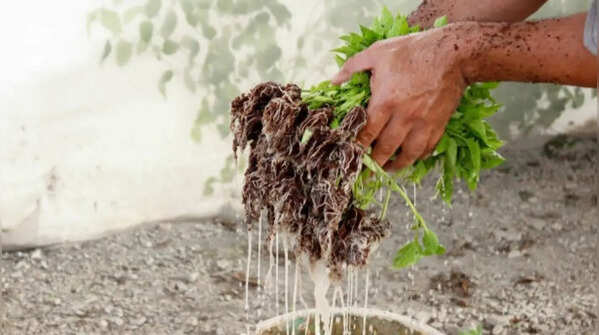
Beginners often think that droopy leaves indicate lack of water. In most cases, excessive watering ends up flooding the air spaces within the soil. This results in decreased oxygen availability for roots. The situation becomes worse due to the high humidity level during Indian summers. Experts claim that healthy root systems need both moisture and oxygen to stay alive.
Watering during peak afternoon heat shocks plants
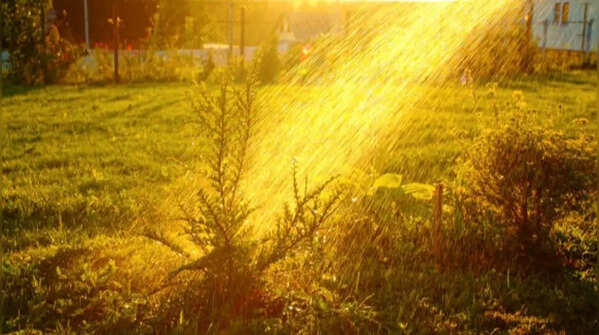
Pouring water on plants during the hottest afternoon hours when pots and soil surface get overheated is another mistake made by plant owners. Temperature changes may shock roots and leaves. Besides, most of the water ends up evaporating quickly before reaching the lower root zone. Therefore, gardening experts advise that watering should be done during the early morning or evening hours when plants absorb water effectively.
Wet leaves during strong sunlight can harm plants
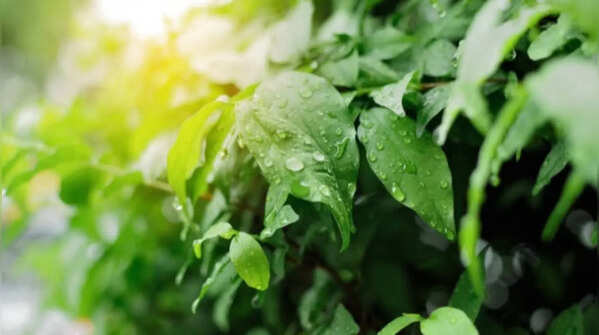
People tend to spray water on leaves repeatedly during hot weather in an attempt to cool down plants. Light misting may help plants temporarily, but in many cases, it could end up damaging the leaves, depending on the plant species. Some plants cannot handle wet leaves when direct sunlight falls on them. Therefore, experts recommend avoiding watering leaves during hot summer afternoons and focus on watering near the soil.
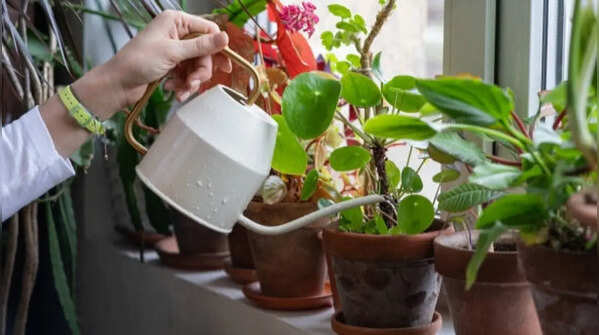
All plants have different watering needs
Another common mistake people make while caring for plants is giving the same amount of water to all plants irrespective of their species. Succulents, flowering plants, herbs, vegetables, and indoor foliage have varying watering needs. Snake plants and jade plants need less water compared to hibiscus or vegetable plants during summer. Experts recommend checking the soil moisture before watering plants instead of giving them equal amounts of water.
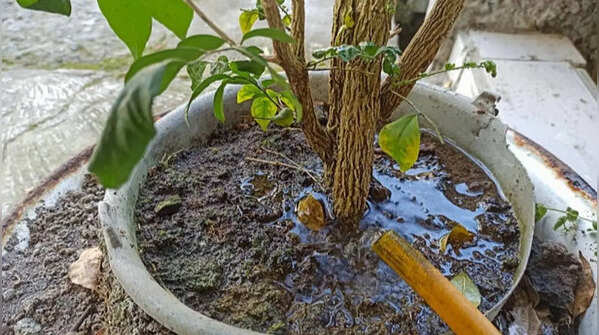
Poor drainage can trap dangerous excess moisture
Plants may still suffer despite receiving adequate water if pots lack proper drainage holes. Pots without drainage holes trap water and keep the roots wet continuously. During Indian summers, moist soil with high temperatures may encourage fungal growth, root rot, and pests. Hence, gardening experts recommend growing plants in well-draining potting mixes and allowing excess water to drain out smoothly after watering.
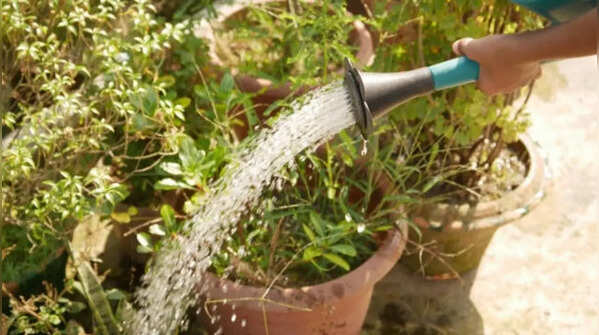
Early morning watering usually proves effective in summers
The majority of gardening experts recommend morning watering since it allows plants to absorb moisture better before the temperatures rise significantly. Morning watering also ensures that excess moisture dries up gradually during the day, which lowers the risk of fungal infections. Roots benefit more when plants receive deep watering in the morning rather than frequent watering through the day.
Disclaimer:
This article is for general informational and gardening awareness purposes only. Watering needs may vary depending on plant species, climate, soil type, sunlight exposure, and local environmental conditions. Readers are advised to consult local gardening experts or horticulture professionals for plant-specific care guidance.
Featured In lifestyle

MORE FROM ETIMES
life & style