
- News
- lifestyle
- home-garden
- Plants that lower terrace temperature naturally during Indian summers
Plants that lower terrace temperature naturally during Indian summers
Plants that lower terrace temperature naturally during Indian summers
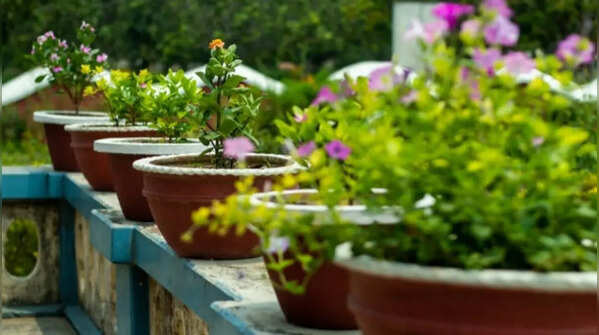
Indian summers becoming increasingly harsh have led to rooftops and terraces turning into heat traps towards the afternoons. Concrete surfaces tend to absorb a large amount of sunlight and keep emitting heat until late evenings. Thus, homeowners in cities find ways to deal with such heat buildup naturally. Terrace gardening using plants that can cool down spaces is an option adopted by many city dwellers today. Some specific plants that are especially good at keeping rooftop temperatures low are those that possess dense leaves, moisture retention capacities, and the ability to create shade. Here is a list of six plants that cool terraces during extremely hot Indian summers.
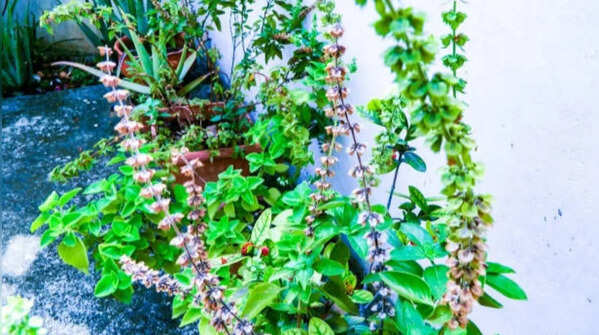
Indian basil – the aromatic plant that keeps small terrace corners cool
The Indian basil plant, called tulsi, is one of the most common plants in Indian homes and can be grown on terraces easily. Besides having cultural significance in the country, the plant keeps the environment cooler around balconies and rooftops because of its dense green leaves and pleasant fragrance. Tulsi grows well in warm temperatures and does not require complicated care. Many gardeners often arrange several tulsi plants in clusters to create cooler corners on rooftops.
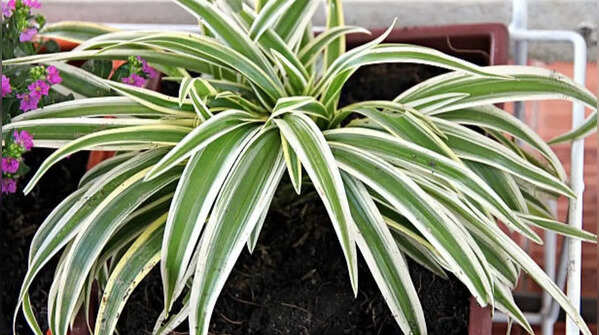
Spider plant – lightweight greenery for creating cooler balconies
The spider plant is known for growing quickly, creating beautiful coverage, and tolerating hot temperatures in India. Its arching green leaves provide natural shading around walls and balcony railings, and make terraces look more attractive. Due to its lightweight and easy-to-care features, this plant is mostly used in hanging baskets and vertical gardens. The spider plant also contributes to creating cooler environments visually.
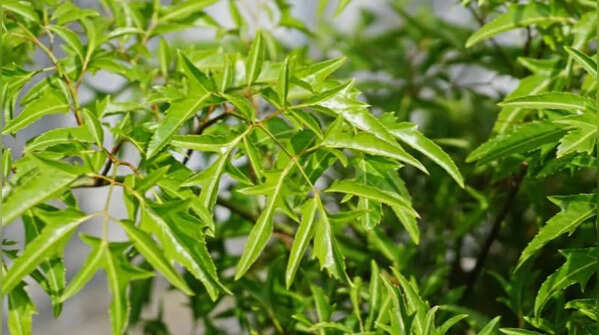
Neem – the traditional Indian shade provider
Neem is the most heat resistant of all Indian trees, which is why it survives extremely high temperatures and harsh sunlight successfully. While growing full-size trees on rooftops is impossible due to lack of space, dwarf and container grown varieties are increasingly becoming popular among terrace gardeners. Neem's dense foliage provides natural shading while improving air flow around rooftops. Apart from that, the tree is known for insect repellent properties.
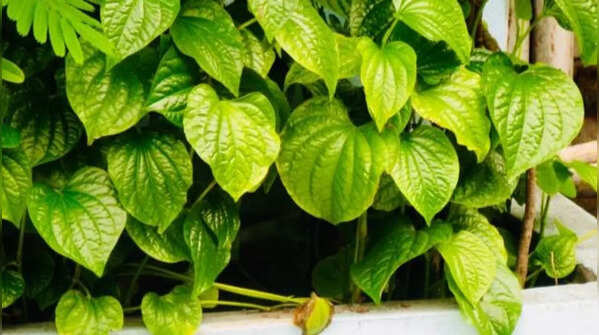
Betel leaf plant – the climber that provides wall shading
Betel leaf is a fast growing climber plant that is common in tropical parts of India. With proper support of vertical frames and grilles, its broad green leaves form a natural covering that protects rooftops from overheating caused by direct exposure to sun. The plant prefers medium watering and partial sunlight, which is why it is ideal for covered terraces. Apart from cooling rooftops, the plant also looks very green and pleasant.
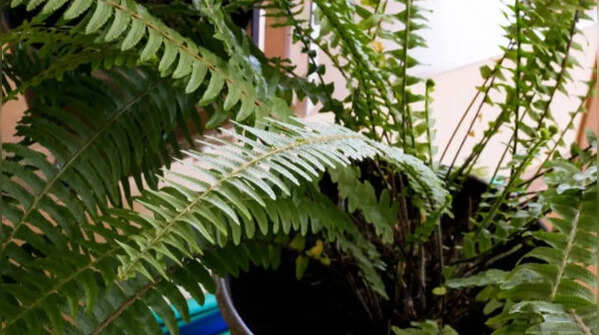
Fern – a moisture-loving plant that creates cooler environments
As a general rule, ferns release plenty of moisture in the surrounding air by transpiration. This leads to the cooling effects of the plant when it is grown on rooftops during hot Indian summers. Ferns grow best in partially shaded terraces and balconies with frequent watering. Apart from cooling effects, ferns make rooftops look pleasant because of their lush green foliage.
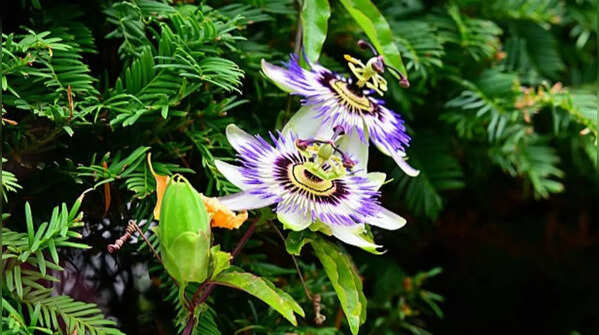
Passionflower vine – quick coverage for hot rooftop spaces
The passionflower vine spreads very quickly and is mostly used for decorating pergolas, grilles, and roof frameworks. Its dense foliage forms natural shade overhead that reduces heat exposure on terraces and balconies. The vine produces unusual and pretty flowers that attract butterflies during the blooming season.
Disclaimer:
This article is for general informational and gardening awareness purposes only. The cooling effect of terrace plants may vary depending on climate, terrace size, sunlight exposure, humidity, watering practices, and local environmental conditions. Some plants may require specific care, drainage, or structural support to grow safely on rooftops and balconies. Readers are advised to consult local horticulture experts, gardening professionals, or structural specialists before creating large terrace gardens or installing heavy plant containers on rooftops.
Featured In lifestyle

MORE FROM ETIMES
life & style