
- News
- lifestyle
- home-garden
- Japandi vs Scandinavian interiors: Which suits Indian homes better?
Japandi vs Scandinavian interiors: Which suits Indian homes better?
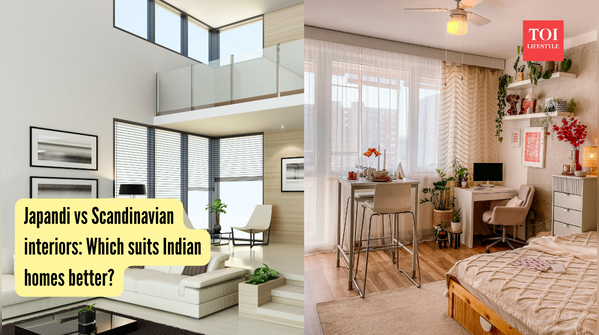
Japandi vs Scandinavian interiors Which suits Indian homes better
Japandi and Scandinavian interiors are the two terms that have taken over special media lately, but what do they even mean?
While it can be quite clear from the names themselves, Japandi comes from Japan and Scandinavian comes from Scandinavia or the Nordic countries, but there’s a lot more to it.
Scandinavian design is that fresh, airy, light‑filled look from Nordic countries. Japandi, on the other hand, is a blend of Japanese and Scandinavian styles, combining Japanese minimalism and wabi‑sabi with Nordic hygge and practicality.
Talking about Indian homes, the question isn’t just which looks prettier; it’s which lifestyle and layout actually work better. Indian living tends to be shared, layered, and often space‑constrained, so what will suit your needs actually depends on how much clutter you have, how much you love colour and family time, and how much you want your space to feel calm rather than “done up.”
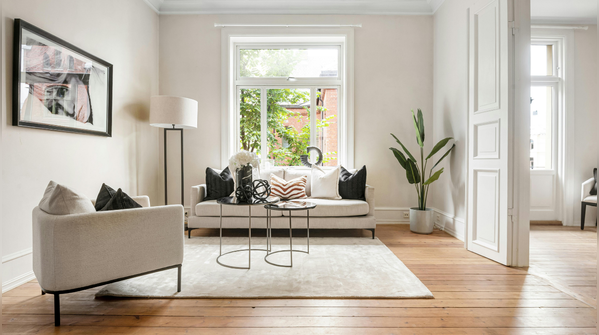
What are Scandinavian interiors
Scandinavian interiors come from Nordic countries and are built around light, simplicity, and practicality. They mostly incorporate pale wood floors, white or light‑grey walls, simple furniture with clean lines, and lots of soft textiles like rugs and throws. The look stays cozy (hygge) even though it’s minimal, because it prioritises comfort and warmth over flashy décor.In Indian homes, this style fits well in smaller apartments or homes that get limited daylight, because the light palette opens up the space visually. However, it can feel too “cold” if you don’t add enough texture, cushions, or warm accessories. Scandinavian design also tends to need more storage discipline, since clutter can instantly spoil the cleanliness that the interiors demand.
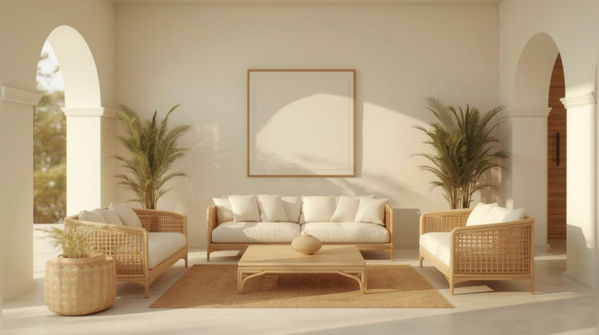
What are Japandi interiors
Japandi is a combination of Japanese and Scandinavian design in a calm, simple way. It brings Japanese wabi‑sabi, more natural, imperfect beauty, together with Scandinavian hygge, which is more about warmth, cozy comfort.
This form of interior is a quiet, relaxed look built around neutral colours, that includes beige, cream, soft brown, and lots of wood, stone, rattan, and linen. Spaces are kept clean and uncluttered, but they still feel warm and inviting, not cold or too “showroom‑like.”
Furniture is usually low to the ground, with clean, simple lines and natural finishes that look handmade rather than factory‑made.
This can work well for Indian homes, as it keeps things simple without losing comfort or tradition. You can still place DIY items, family photos, or ethnic fabrics, as long as they fit within a soft, neutral palette.
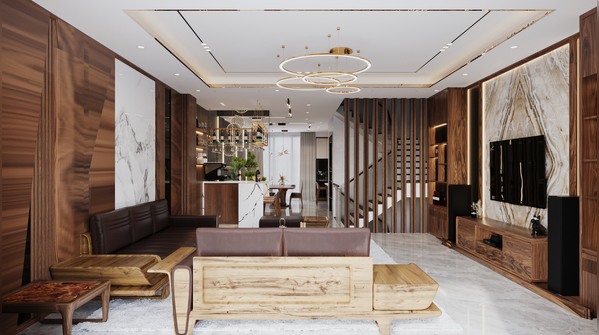
So, which suits Indian homes better
Most Indian homes are full of family, memories, and things that matter, which can clash with strict Scandinavian minimalism. Japandi feels more forgiving, showing a few meaningful objects and earthy textures. It uses warm wood, rattan, jute, and soft neutrals that suit our hot climate and love for crafts like bamboo, cane, and handwoven fabrics, making it a calm, natural fit for the way Indian homes already live.
However, there’s no single “correct” answer, but for most Indian homes, Japandi edges out pure Scandinavian style because it marries minimalism with warmth and tradition. It allows for family‑centred living, open‑plan spaces, and a few colourful, meaningful objects without looking crowded.
Featured In lifestyle

MORE FROM ETIMES
life & style