
- News
- lifestyle
- home-garden
- How crickets are good for your garden (and why you shouldn't kill them)
How crickets are good for your garden (and why you shouldn't kill them)
How crickets are good for your garden (and why you shouldn't kill them)
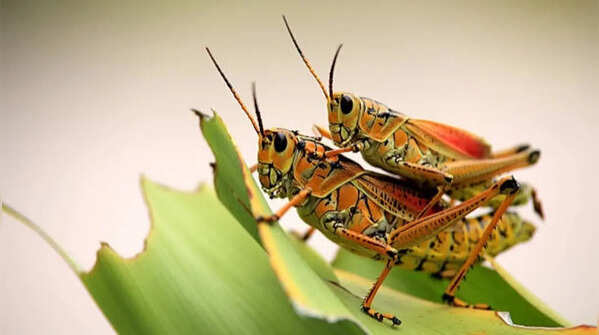
First impressions of crickets are often associated with annoying creatures that are constantly chirping and making sudden noises near your plants and vegetables. Since crickets are known as quite active and quick insects, they often appear to be pests that need to be dealt with right away. Interestingly, gardeners and environmental experts argue that crickets have some useful functions that help preserve healthy garden ecosystems. Crickets are known to decompose organic substances and serve as natural fertilizer. They might even become a part of the natural food chain, which means that you may need them in your garden despite occasional large cricket infestations that might potentially damage plants. Let's take a closer look at some of the reasons why crickets might prove to be helpful for your garden.
Cricket – natural recyclers of dead plant matter
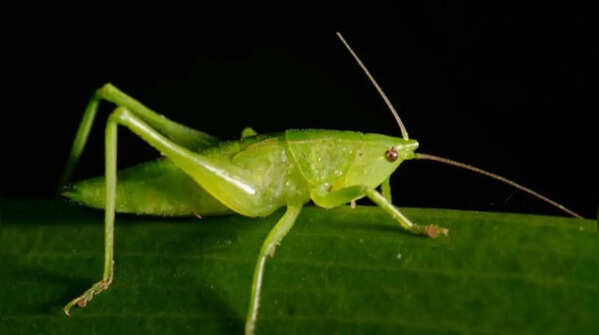
Crickets often tend to feed on dry leaves, decayed materials, insects, and various plant wastes found near gardens. By helping to decompose these materials gradually, crickets can help recycle nutrients. It is believed that the decomposition process leads to healthier soil ecosystems that do not accumulate unnecessary material. In many organic gardens, insects such as crickets play an unnoticed role of recycling organic material into soil.
Crickets help improve soil activity naturally
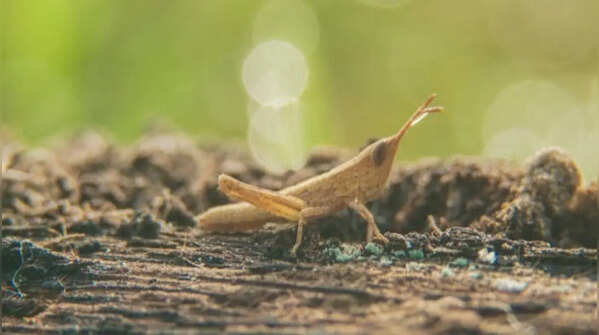
There are species of crickets that tend to walk on the ground in search of food and shelter. This may help to improve the air circulation process inside the soil as well as its general composition. A healthy soil ecosystem depends on numerous organisms such as insects, earthworms and microorganisms that live there. Crickets become one of those organisms necessary for soil preservation.
They are an important food source for birds and reptiles
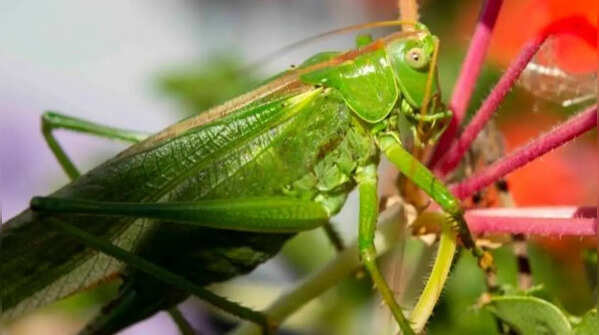
Crickets are an integral part of the natural food chain in many outdoor spaces. Many birds, reptiles, lizards and spiders often hunt crickets for food. Thus, removing crickets from your garden will limit the amount of natural food available to them. Gardens with a diverse insect population usually attract more wildlife due to a healthy biodiversity in these areas. Environmental experts suggest preserving the equilibrium instead of exterminating all insects in your garden immediately.
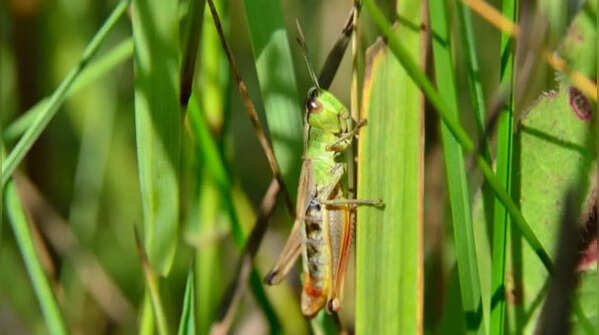
Their chirping often signals a healthy outdoor ecosystem
The familiar sounds of crickets' chirps indicate that nature has preserved its natural balance in the area. The presence of crickets usually indicates the fact that your garden has healthy soil, sufficient water, and enough vegetation to support the cricket population. Thus, the fact that crickets are always chirping does not mean that these animals should be killed immediately, as they tend to indicate an active outdoor environment.
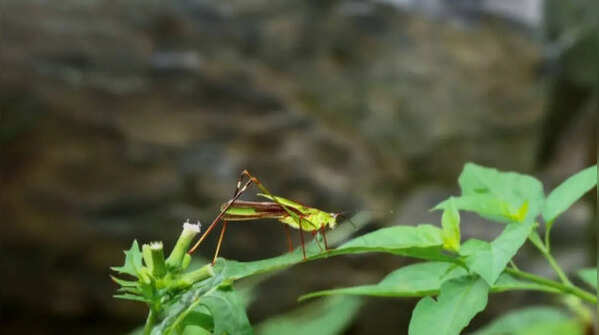
Excessive pesticide use may harm more than just crickets
When gardeners start dealing with crickets with powerful chemicals, they often kill not only these insects, but also butterflies, earthworms and bees that are also crucial for soil maintenance. Pesticides and other chemicals may significantly affect the biodiversity in the garden and lead to gradual soil deterioration. Experts usually suggest observing whether or not crickets cause any damage before using excessive control measures. In most cases, crickets do not pose any significant threat to crops.
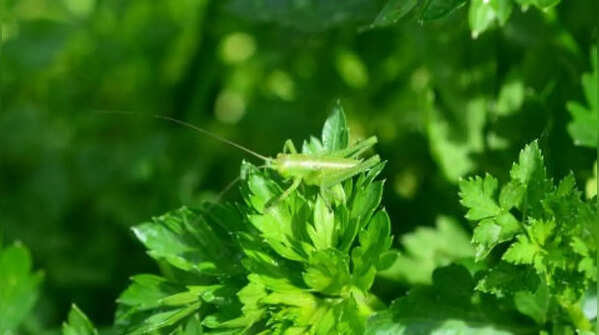
Balanced gardens work better than insect-free gardens
Many gardening experts argue that today's gardeners need to pay attention to maintaining proper biodiversity in the garden instead of getting rid of each insect immediately. Insects such as crickets become part of the natural equilibrium, which eventually contributes to soil and wildlife health. Thus, gardens with healthy insect activity tend to develop better in the future than those with frequent chemical treatments.
Disclaimer
:This article is for general informational and gardening awareness purposes only. While crickets can contribute positively to garden ecosystems, certain species or unusually large infestations may occasionally damage seedlings, leaves, or crops, depending on local environmental conditions. Wildlife activity and insect behaviour may vary by region, climate, and garden type. Readers are advised to consult local horticulture experts, agricultural authorities, or pest-management professionals for guidance regarding serious pest concerns or crop protection practices.
Featured In lifestyle

MORE FROM ETIMES
life & style