
- News
- lifestyle
- travel
- destinations
- 10 hottest places in India today and things travellers should know before visiting
10 hottest places in India today and things travellers should know before visiting
10 hottest places in India today and things travellers should know before visiting
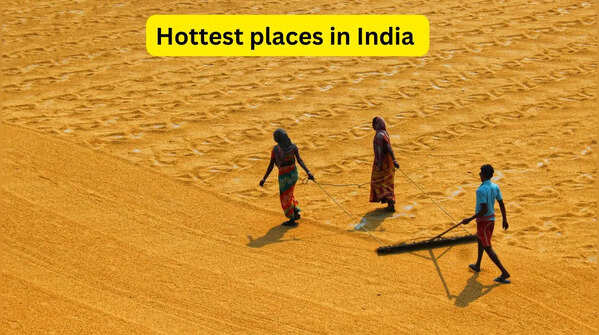
Summers in India is at peak right now! The heat has intensified, with several cities across north, central, and western India crossing the 45°C mark. As per the India Meteorological Department (IMD), Uttar Pradesh’s Banda has emerged as the hottest place in the country with temperatures recorded at 48°C. While these places continue to attract travellers for their history, wildlife and spirituality, it is essential to plan a trip carefully. For travellers planning summer holidays, hill stations, coastal destinations, and higher-altitude regions are safer and comfortable alternatives.
Let’s have a look at the 10 hottest places in India today and what travellers should know before planning a visit.
Read on:
Banda, Uttar Pradesh – 48°C
Not Rajasthan but Uttar Pradesh’s Banda has emerged as the hottest place in India. Situated in the Bundelkhand region, Banda is close to the Ken River. But summer temperatures are extreme here.
Travellers visiting Banda or nearby regions should avoid afternoon movement, especially between 12 pm and 4 pm. Carry cotton clothing and hydration salts. Sunglasses, and sunscreen are a must. Heatstroke risk is high in the region.

Khajuraho, Madhya Pradesh – 47.4°C
Khajuraho is famous for its UNESCO-listed Khajuraho Group of Monuments. But with temperatures reaching 47°C, sightseeing seems physically draining and exhausting. For those visiting the temple town, plan a trip at sunrise when temperatures are manageable. Do carry cotton clothes, sunscreen, shades and refillable water bottles.

Wardha, Maharashtra – 47.1°C
Wardha in Maharashtra holds a significant place in India’s freedom movement. The place is associated closely with Mahatma Gandhi and attracts visitors to Sevagram Ashram.
But the period between May and June is terrible. Travellers must rely on air-conditioned transport and keep itineraries relaxed. Travelling in local trains, shared vehicles and buses can become uncomfortable during peak summers.
(Canva)
Rohtak, Haryana – 46.9°C
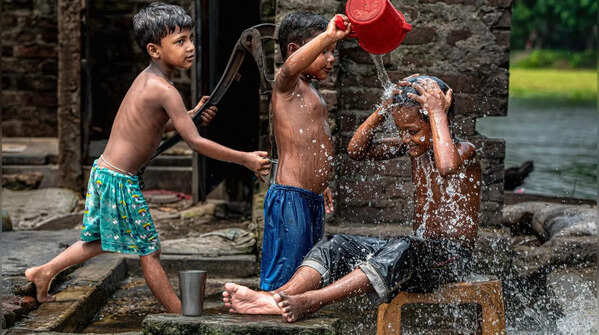
Rohtak in Haryana is also experiencing intense heat. Though not a mainstream tourist city, the place is where road travellers pass through. The heat is intense here and accompanied by hot winds or loo. It can cause dehydration and heat stroke. Road trippers should avoid long highway drives in the afternoon.
(Canva)

Nagpur, Maharashtra – 46.6°C
Nagpur, also known as the Orange City, is a major gateway to central India’s tiger reserves. Wildlife travellers planning a safari vacation should note that jeep rides during peak afternoon heat can become extremely uncomfortable. Morning safaris are suggested when the temperatures are bearable and comfortable.
(Canva)
Nowgong, Madhya Pradesh – 46.6°C
Nowgong in Madhya Pradesh’s Chhatarpur district is also suffering from intense summer conditions. Travellers exploring Bundelkhand or nearby regions should be ready with extra sunscreen, shades and cotton clothes. Also carrying power banks and backup hydration is advisable.
(Canva)

Sri Ganganagar, Rajasthan – 46.5°C
Sri Ganganagar is located close to the India-Pakistan border and is often called Rajasthan’s food bowl. Despite this, the temperatures here are beyond comfortable during peak summer.
Travellers should be prepared for desert-like heat conditions. Tourists exploring Rajasthan by road should remember that the heat here feels far more intense. Sun protection, shades and umbrellas are non-negotiable.
(Canva)
Amaravati, Maharashtra – 46.4°C
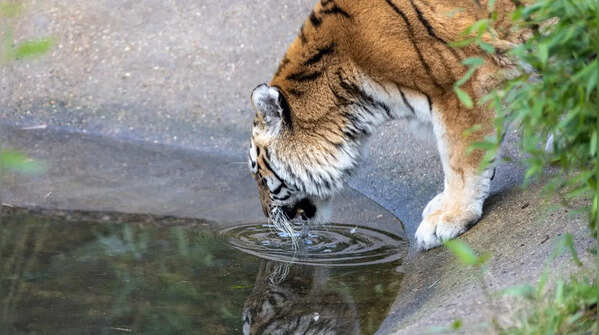
Amaravati is one of the prime wildlife regions in Maharashtra’s Vidarbha region. The place acts as a gateway to the Melghat Tiger Reserve. But those planning wildlife trips should stay updated on forest advisories and weather alerts. Temperatures are extremely high which may affect safari timings and travel plans.
(Canva)

Chandrapur, Maharashtra – 46.2°C
Chandrapur is the prime entry point to Tadoba-Andhari Tiger Reserve which is among India’s top tiger tourism destinations. Because of extreme heat, safari trips are suggested in the mornings. As after daytime, exploration is difficult. It is suggested to book accommodations with reliable cooling systems. But the fact is summer is the best time for tiger spotting near water bodies.
(Canva)

Hamirpur, Uttar Pradesh – 46.2°C
Hamirpur is located close to the Yamuna River in Bundelkhand. The place experiences dry and harsh summers making exploration a difficult task.
It is suggested to prioritise hydration over sightseeing. Elderly travellers and kids are particularly vulnerable in such conditions.
(Canva)
Featured In lifestyle

MORE FROM ETIMES
life & style