
- News
- lifestyle
- home-garden
- From mint to oregano: Herbs you can easily regrow from kitchen scraps
From mint to oregano: Herbs you can easily regrow from kitchen scraps
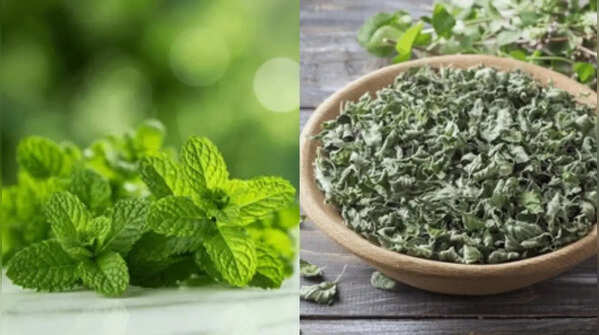
From mint to oregano: Herbs you can easily regrow from kitchen scraps
If you love gardening but don’t want to spend a fortune on plants, regrowing herbs from kitchen scraps is a simple and sustainable option. There are plenty of herbs which can regrow provided they have sufficient sunlight, water, and care. Other than helping you save money, you will have fresh and sustainable products to use within your reach. Herbs can be grown in pots on balconies, windowsills, or any available space inside your house. Some herbs that can be easily grown include:
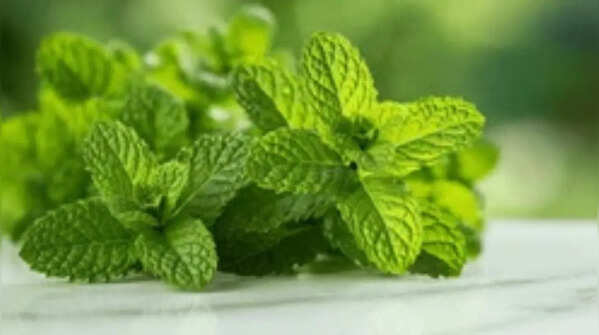
Mint
Growing mint can be considered among the easiest tasks for novice gardeners. All you need to do is cut off a healthy stem of the plant, strip it off the lower leaves, and soak it in water. Soon you will see roots forming after which it needs to be transplanted to soil. It is fast growing, grows well in indirect light, and can be used in tea, chutneys, juices, and desserts.
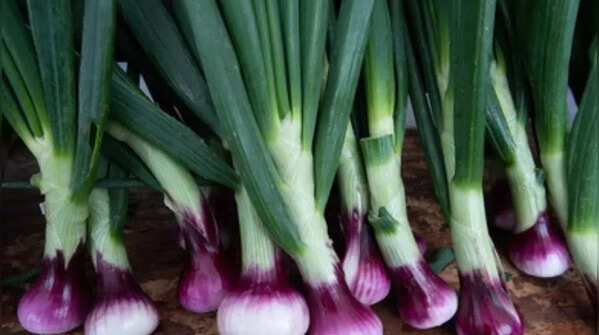
Lemongrass
Lemongrass can be regrown by placing the bottom part of the stem in water. The bottom should be planted in soil once it has established strong roots. The best way to cultivate lemongrass is by cutting off its leaves. It can be grown at any time of the year. Lemongrass is an important ingredient in Thai cuisine and herbal tea blends.
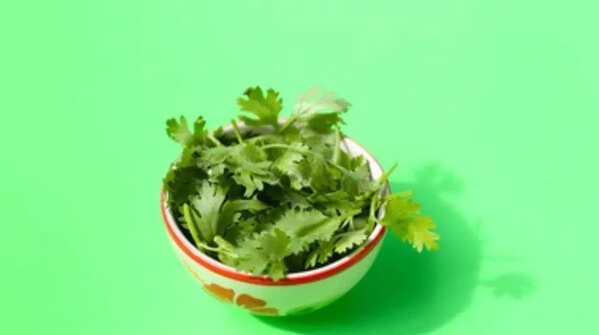
Coriander
Apart from its leaves, coriander can be regrown from stems with their roots intact. Put them in water in a sunny spot for optimal growth. When new leaves start appearing, transplant the stems into a pot containing damp soil. Coriander needs plenty of water and prefers cool conditions. The fresh leaves of this plant are excellent at bringing instant flavor to curries, salads, and soups.
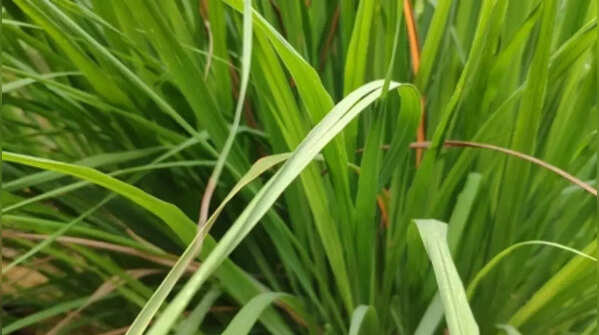
Lemongrass
Lemongrass can be regrown by placing the bottom part of the stem in water. The bottom should be planted in soil once it has established strong roots. The best way to cultivate lemongrass is by cutting off its leaves. It can be grown at any time of the year. Lemongrass is an important ingredient in Thai cuisine and herbal tea blends.
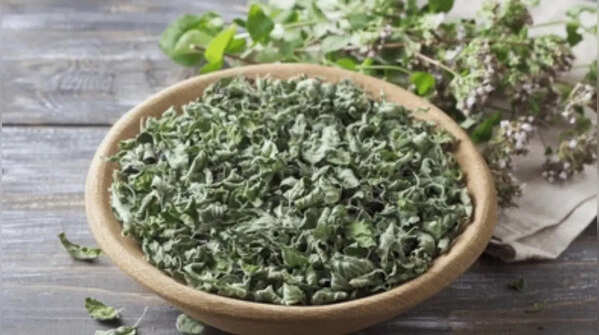
IMG_6702 (1)
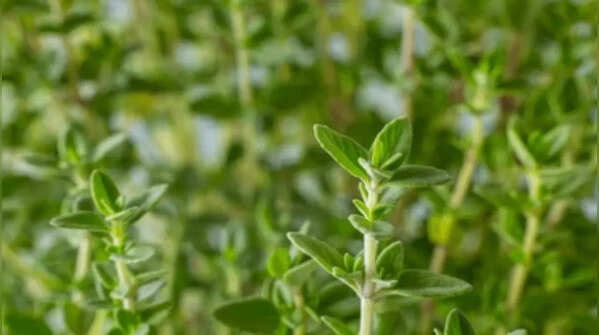
Thyme
Thyme is yet another type of herb that grows very quickly from pieces and needs minimal maintenance. The use of fresh green branches is recommended, and they should be left soaking in water until roots develop. The thyme likes to be in areas where there is an abundance of sunlight and where the soil drains easily when transplanted. The thyme herb is often used in soups, sauces, and roasting meals.
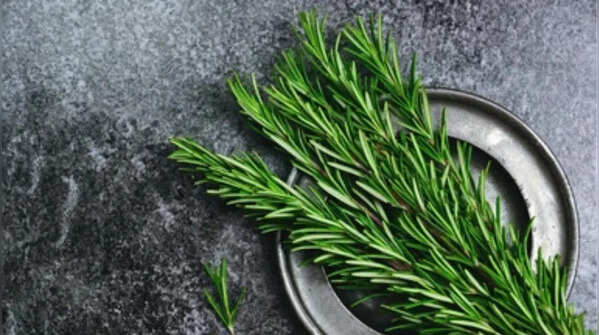
Rosemary
Rosemary can be cultivated using soft green stem cuttings in water. They will be ready to plant in soil when the stems have developed roots. Rosemary can take slightly more time to root compared to mint and basil plants. However, it will yield a plant that lasts for several years. It has a rich taste and complements roasted vegetables and grilled dishes.
Featured In lifestyle

MORE FROM ETIMES
life & style