
- News
- lifestyle
- home-garden
- Best soil mix tips for healthy plant growth
Best soil mix tips for healthy plant growth
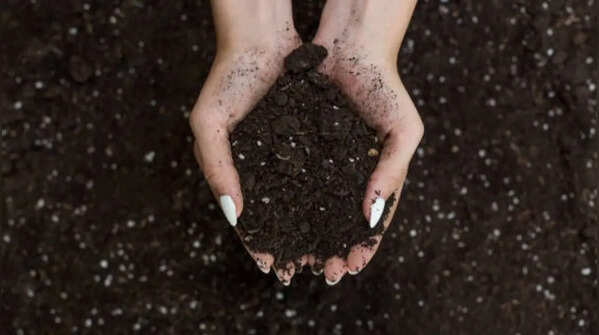
Best soil mix tips for healthy plant growth
Healthy plants don’t just depend on sunlight and water; the foundation of good growth starts with the right soil mix. Whether you are growing indoor plants, balcony greens, or a small garden, the quality of the soil plays a major role in how well your plants thrive. A good soil mix ensures proper drainage, nutrient supply, and root support, all of which are essential for strong and healthy growth. Many beginners often overlook soil composition, but even the best plants can struggle in poor soil. Understanding how to create the right soil mix can make a huge difference in plant health and longevity. Here are some practical and effective tips to help you prepare the best soil mix for your plants.
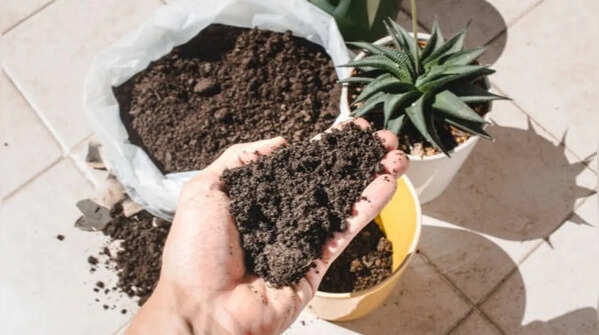
Base soil
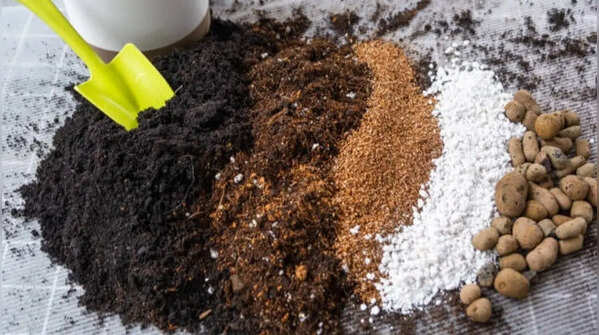
Base soil is one of the key components in creating a proper soil mix. As a rule, it consists of garden soil or potting soil. Both are rich in natural minerals and nutrients required for the plants' life cycle. However, plain soil creates the conditions under which the plant roots cannot develop normally. For this reason, loose and well-aerated soil must be selected as the base soil. Its primary function is to create an atmosphere in which roots can freely grow.
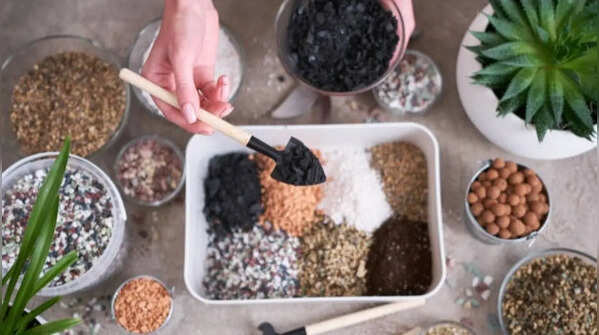
Compost for nutrients
As mentioned before, the base soil consists of rich nutrients that are required for plants. However, over time, these nutrients deplete, leaving the soil unfit for further planting. Therefore, compost should be added to the mix to provide additional nutrients. It includes nitrogen, potassium, and other minerals. Organic compost, such as kitchen waste compost or vermicompost, also increases the amount of beneficial microorganisms, which are essential for healthy plants.
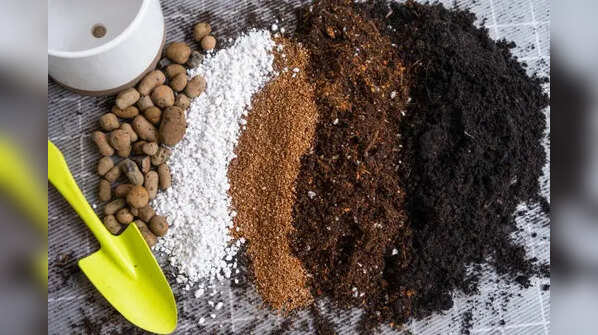
Drainage with sand and perlite
Drainage is another element necessary for maintaining a healthy soil mix. The lack of it results in over-watering, which in turn causes plant roots to rot and die. In order to avoid such an outcome, you should include sand or perlite in your soil mix. Both perlite and sand create spaces where excess water can easily flow out. Consequently, roots will get enough air to develop normally.
Water retention with coco peat
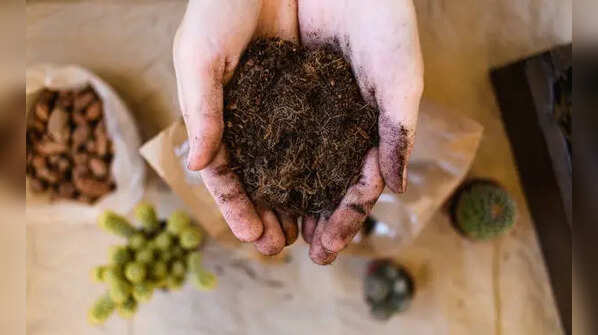
Unlike the previous point, proper water retention becomes possible by adding coco peat in the mix. In contrast with sand, coco peat retains water in soil while still allowing for free flow. In this way, plants get enough moisture even during hot days or in case of occasional water shortage. Therefore, coco peat ensures the necessary moisture in the soil.
Adjusting soil mix according to plant types
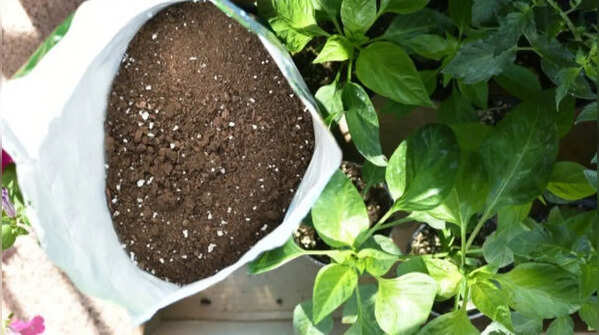
As we have already stated, there are specific types of soil for each plant type. For instance, cactus plants should contain lots of sand and less water-retentive material. Flower plants will be better off with plenty of compost. In addition, leafy plants require a certain balance between water retention elements and soil density. Thus, the customization of soil mix according to plant type should be taken into account.
Prevention of compaction
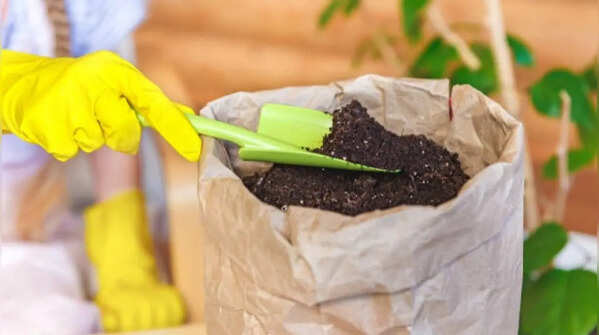
Compacted soil prevents the normal growth of roots and slows down the absorption of nutrients. For this reason, you should regularly loosen the soil for plants to breathe and develop properly. In addition, avoid compressing the soil during potting since it does not allow roots to develop normally. Loose soil makes sure that plants will not face problems related to soil compaction.
Renewing and replacing the soil mix
Over time, nutrients and minerals become less available to plants, leaving the soil unfit for growing. To avoid this problem, you should refresh the soil by adding new compost or renewing parts of the soil mix. Thus, plants receive necessary minerals and remain healthy for quite a long time.
Featured In lifestyle

