
- News
- lifestyle
- health-fitness
- health-news
- Top medical advice to follow in 2026 for better health
Top medical advice to follow in 2026 for better health
Top medical advice to follow in 2026 for better health
With the year 2026 on the horizon, it is apparent that health organisations such as WHO, CDC, and AHA are making one thing crystal clear: turn your attention to prevention before situations such as diabetes, heart disease, and illness occur. The latest recommendations from reputable health journals such as Circulation, Hypertension, and The Lancet focus on easily implemented techniques such as improved diet, check-ups, and recent vaccines that improve vigor, reduce physician visits, and increase healthy life years.
These five trends arise from hard evidence and make wellness seem doable rather than daunting. They capitalise on decades of research and create habit loops that work for regular people.
1

AI technology and the future of healthcare
Imagine AI as an extra pair of sharp eyes, detecting ‘breast cancer whispers or stroke warning signs before symptoms emerge.' The CDC is promoting data integration standards known as FHIR, which ‘allows data to be shared quickly between systems and is already increasing surveillance by 200% in some places in the country.' WHO believes in this tech as ‘the game-changer in detecting early outbreaks, according to guidelines by JAMA Network Open on ‘Tools in Health Care.”
“It will result in faster scanning or use of apps, allowing physicians to spend more time with patients,” the AHA said. In an editorial published in the American Heart Association’s Circulation journal, AI brings to the fore the improvement of heart health risk predictions, detecting problems during patient visits that often go unnoticed.
GLP-1 medications to combat obesity and blood sugar issues
Drugs such as semaglutide are now used either in diabetes or in weight management and metabolic disorders when combined with actual foods and exercise. The American Heart Association advises them to be used in overweight adults at risk of heart problems. These medications are now being used either in diabetes or in weight management and metabolic disorders when combined with actual foods and exercise. The American Heart Association advises them to be used in overweight adults at risk
This model, according to the CDC, can be applied to diabetes prevention, especially when a family history exists or a few pounds are being carried. "Patients experience consistent increases in energy and a decrease in cravings, making this tool a ‘lifelong’ friend."
An annual ritual of screenings
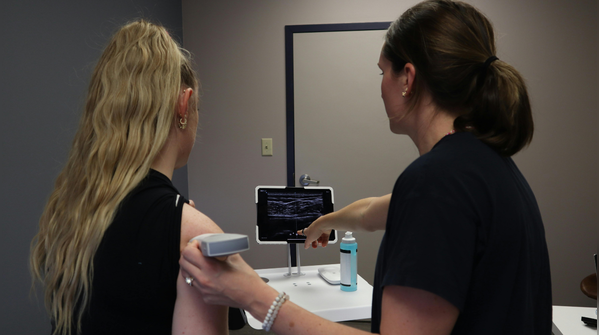
Cholesterol screenings, blood sugar, blood pressure, and age-specific cancer screenings such as mammoegrams or colonoscopies head the list of easy prevention measures. The CDC’s list for the 2025-2026 season includes these screenings and screenings for STIs to stay one step ahead of unforeseen problems, and adds monitoring for TB or Malaria if traveling in areas where these are a problem.
AHA promotes newer calculators to assess the risk for hypertension accurately, even for causes that could be corrected, like aldosteronism. Many such consultations bring reassurance, resulting in minute adjustments to prevent major issues later on.
Doctor check-Ins & visits
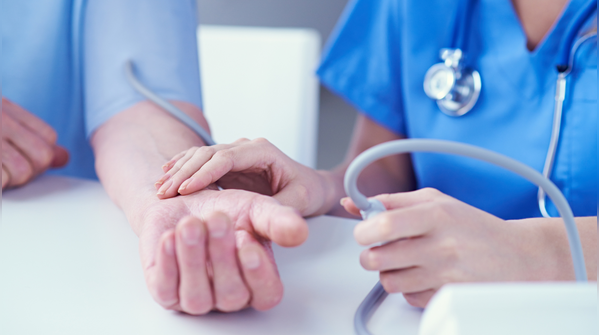
It has screens for anxiety and depression built right into routine checks because it understands the interrelationship between mind and body.This gives a great overall feeling that eliminates confusion and gains better trust due to patients feeling like they're being heard. This method also allows physicians to identify problems and illnesses .
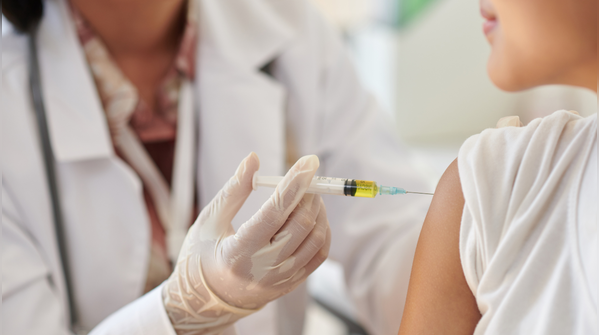
The role of vaccines
Leading in this case is accordingly having better seasons and living with no regrets. "These recommendations from the World Health Organization, the Centers for Disease Control, and the American Heart Association are based on scientific research and hold out promises of fewer sick days, better sleep, and more energy. And there's no need to go overboard—just keep your annual check-up appointment, get an extra vaccine, take a daily walk, and include more greens in your diet. Small changes in January will bring great rewards in 2026.
Featured In lifestyle

