
- News
- lifestyle
- health-fitness
- health-news
- Sexual health: How heatwave can impact male and female fertility (preventive tips inside)
Sexual health: How heatwave can impact male and female fertility (preventive tips inside)
What are heat waves?
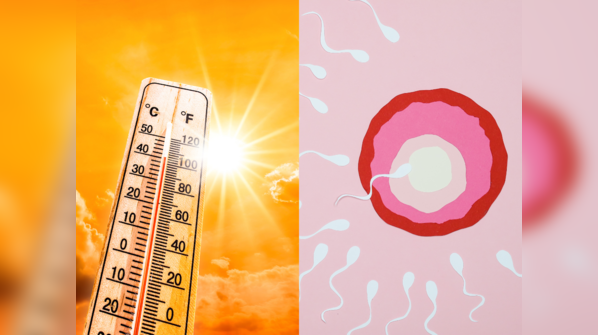
Earth’s climate is changing. With a warmer atmosphere, extreme climatic events such as heatwaves are predicted to become more common, more intense, more frequent and more widespread.
Heatwaves are commonly defined as conditions when daily thermal maxima exceeds the average local maximum by 5 °C for more than 5 days. Heat waves can affect our physical as well as mental well-being.

Impact on male fertility
A study from the University of East Anglia has found that male fertility may be threatened by climate change. The researchers found that heat waves are damaging insect sperm and it has a lasting effect on future generations.
Why does it happen?
In human males, the sperm production happens within the testicles. For this, the testicular temperature should be cooler than the temperature inside of the body.
According to researchers, a 9 to 13 degrees above the expected high temperature for five days in a row can damage male fertility.
Read more: Study finds possible cause for spike in colorectal cancer cases in patients under 50
Impact on female fertility
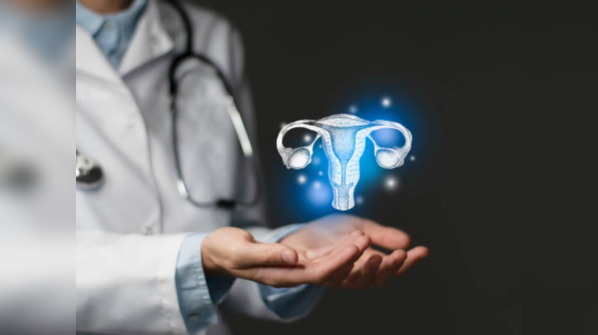
In most mammalian species including cattle, heat stress has negative effects on nutritional, physiological and reproductive functions. In females, it adversely impacts oogenesis (differentiation of the ovum into a cell competent to further develop when fertilized), oocyte maturation (during this process fully grown oocytes become fertilizable), fertilization development and implantation rate.
Extreme heat can also have negative impacts on women's reproductive health. This can be more harmful for women who are pregnant or have underlying health conditions. As per reports, heat stress can alter the hormonal balance in the body. This can disrupt the menstrual cycle, leading to irregular periods, heavier bleeding, and increased pain during periods. In extreme cases, heat stress can also lead to amenorrhea, i.e., absence of menstruation.
Heat wave and pregnancy
Several studies around the globe have documented that pregnant women and newborn babies can have negative health impacts from exposure to high ambient temperature.
Read more: Kissing Disease: Major symptoms and preventive measures
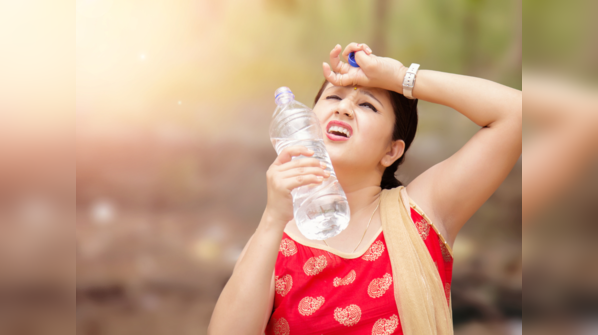
Preventive tips
Following tips can help you protect your health in general and reproductive health in particular from the impact of heatwave:
- Drink plenty of water throughout the day. Pregnant women should be particularly vigilant about staying cool and hydrated.
- Stay indoors during peak hours of heat.
- If outside in heat, take regular breaks in the shade or an air-conditioned area.
- Avoid working in hot environments.
- Avoid strenuous activity such as exercising during the peak heat hours.
- Seek immediate medical attention if heat stroke occurs.
Featured In lifestyle

