
- News
- lifestyle
- health-fitness
- health-news
- Kidney health: AIIMS Delhi neurologist shares 3 simple dietary tips to prevent kidney stones
Kidney health: AIIMS Delhi neurologist shares 3 simple dietary tips to prevent kidney stones

Worried about kidney stones? AIIMS Delhi neurologist shares 3 simple dietary tips to prevent them
Kidney stones are way more common than most people think, and if you’ve ever had one, you know how brutally painful they can be. These little hard lumps show up when things like calcium and oxalate get too packed in your pee and start sticking together inside your kidneys. Some people say passing a kidney stone is the worst pain they’ve ever felt. Sometimes, the bigger stones don’t budge on their own, and doctors have to step in and remove them.
But here’s the good news: you can do a lot to avoid kidney stones just by tweaking what you eat and how you go about your day. Dr Priyanka Sehrawat, a neurologist and general physician at AIIMS Delhi, going by the username “docpriyankasehrawat” on Instagram, recently shared three straightforward diet tips to help people dodge kidney stones. Her advice is simple, rooted in science, and actually fits into real life. Read on.
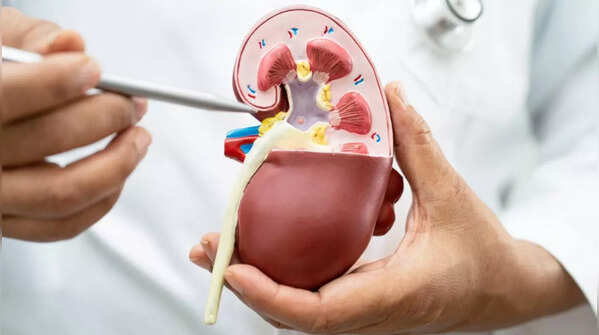
So, what are kidney stones, really?
They’re solid clumps of minerals, usually calcium oxalate, that build up in one or both kidneys. Sometimes, they’re as tiny as a grain of sand; other times, they’re as big as a pebble or worse. When they move, they can cause intense pain, problems peeing, infections, or even land you in surgery if they get stuck. The good news? Most kidney stones don’t have to happen, especially if you stay on top of your diet and habits.
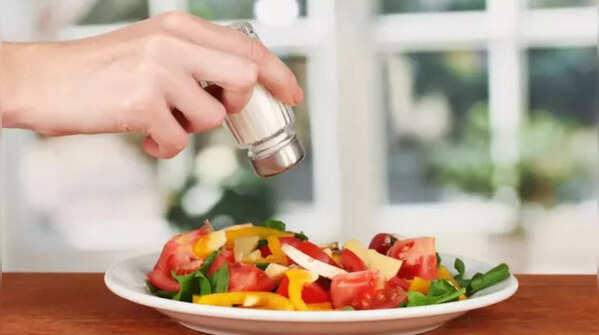
Cut back on salt and eat more foods with citrate
One of the best ways to lower your risk is to eat less salt. Too much salt makes your kidneys dump extra calcium into your urine — and that’s a big reason these stones form. Try to keep your salt intake under one teaspoon (about 5 grams) a day. It really makes a difference.
At the same time, Dr Sehrawat says to eat more citrus fruits like lemons, oranges, mosambi, and kiwi. These are packed with citrate, which keeps calcium from turning into crystals in your urine. It also helps break up tiny crystals before they become bigger, nastier stones. Squeezing some lemon into your water or snacking on citrus is a super easy way to get more citrate.
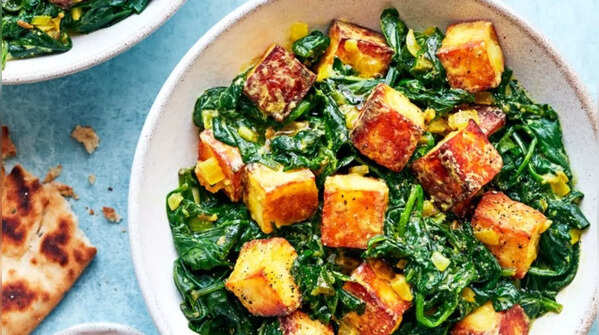
Watch out for high-oxalate foods
A lot of healthy foods have oxalates, which can join with calcium and lead to stones. Dr Sehrawat suggests cutting down a bit on foods high in oxalate, like spinach, beetroot, sweet potatoes, and sugary drinks or juices. If you eat a ton of these, you’re more likely to get stones.
Instead, mix things up with a wider variety of vegetables, and when you do eat foods with oxalate, pair them with something calcium-rich, like yogurt or milk. That way, the oxalate and calcium stick together in your gut and leave your kidneys alone. Also, skip the sugary sodas and heavily processed foods. They just dry you out and mess with your metabolism, which makes stones more likely.

Drink plenty of water — at least 2.5 liters a day
This one’s simple but makes a huge difference: drink enough water. Dr Sehrawat says shoot for at least 2.5 liters (around 10–12 cups) of fluids a day, and more if you’re sweating a lot or it’s hot outside. When you’re hydrated, your urine gets diluted, so minerals don’t clump together and form stones.
Staying on top of your fluids really cuts down your risk, since it keeps your urine flowing and those stone-forming minerals from building up. Plain old water is perfect, but you can switch it up with things like lemon water or coconut water if you want more flavor and a natural citrate boost.
Featured In lifestyle

