
- News
- lifestyle
- health-fitness
- health-news
- Dust allergy making you sneeze non-stop? Here's how to turn your home into a dust-repellent zone
Dust allergy making you sneeze non-stop? Here's how to turn your home into a dust-repellent zone
Dust allergy making you sneeze non-stop? Here's how to turn your home into a dust-repellent zone
Dust allergy can steal away the comfort for many. And, when this uneasiness enters your home, it can be even more uncomfortable. The American College of Allergy, Asthma and Immunology notes that these allergies are typically caused by dust mites. Dust mites are tiny microorganisms that feed off house dust and moisture in the air. These allergens can leave an individual with a lot of uneasy symptoms, and non-stop sneezing is one such issue.
The good news is that studies show, some techniques can help reduce the exposure and existence of dust mites at home. Let’s explore how you can turn your home into a dust-repellent zone.
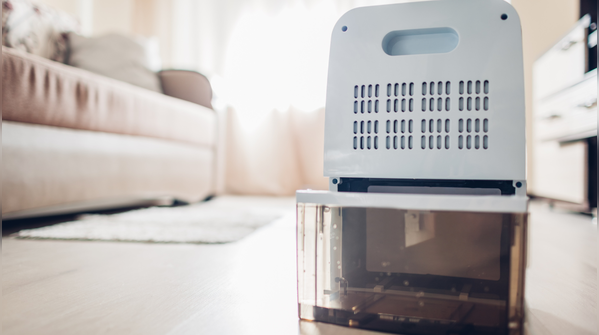
Control indoor humidity
A study in the Journal of Allergy and Clinical Immunology found that dust mites struggle to survive when relative humidity is less than 50%. The study notes that Relative humidity (RH) in the ambient environment is the key factor that influences the prevalence of the house dust mites.
Some ways to reduce humidity indoors are:
- Use a dehumidifier
- Ensure proper ventilation- Reduce humidity with ACs
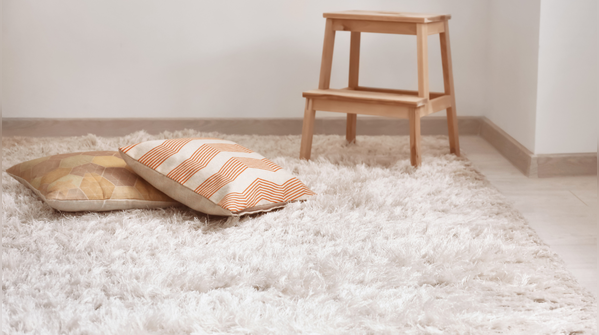
Rethink fabrics
“Carpeting” makes a good home for dust-mites,” notes Mayo Clinic. Replacing wall-to-wall bedroom carpeting with tile, wood, linoleum or vinyl flooring.
Other fabric surfaces like curtains or table covers can also trap dust particles.If possible, use pillow covers or mattresses made from dust-proof or allergen-blocking covers.
Mayo Clinic recommends washing all sheets, blankets, pillowcases and bedcovers in hot water that is at least 130 F (54.4 C) to kill dust mites and remove allergens.
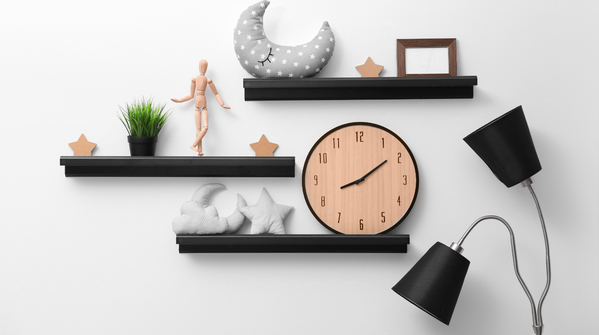
Cut the clutter
A pile of things, even decorations, can trap a lot of dust, provided that cleaning/dusting them may not be possible. Remove anything inside your home that collects dust.
To clean these items, use a damp or oiled mop or rag rather than dry ones. This keeps dust from going into the air and coming back down
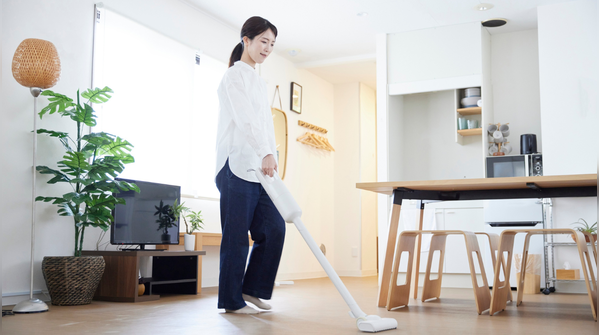
Vacuum regularly
The Asthma and Allergy Foundation of America recommends vacuuming once or twice a week. Vacuuming helps keep allergens low. However, it is also important to note that poor quality vacuums could put dust in the air. Mayo Clinic recommends using vacuum cleaners with a double-layered microfilter bag or a high-efficiency particulate air (HEPA) filter. If you have allergies, wear a mask while doing housework. Use a cloth that is damp or treated with polish for dusting. Leave the house for several hours after cleaning it.
Featured In lifestyle

