
- News
- lifestyle
- health-fitness
- health-news
- Diabetic retinopathy symptoms: 1 in 4 people with diabetes have this sight-threatening condition; note the early warning signs
Diabetic retinopathy symptoms: 1 in 4 people with diabetes have this sight-threatening condition; note the early warning signs
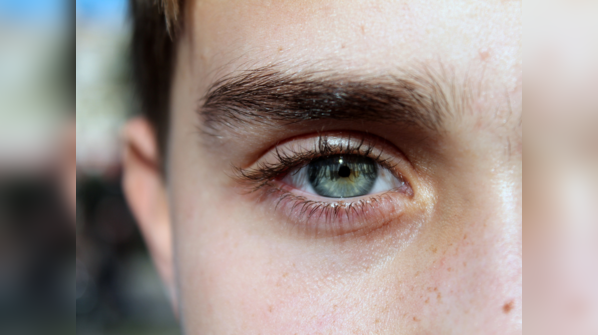
More and more people are diabetic
Diabetes has become a common condition, in which the patient experiences blood sugar spike. Type 2 diabetes has substantially increased among young people over the last two decades in the US. The disease can result in numerous complications, such as diabetic retinopathy, which is a leading cause of blindness in adults.

What is diabetic retinopathy?
Diabetic retinopathy is a disease of the retina – the nerve layer in the back of the eye. Diabetes damages the blood vessels in the eye and all of these living tissues, such as those of the eye, need working blood vessels to function. According to a recent study published in the journal JAMA Ophthalmology, the risk for diabetic retinopathy in the US is much more significant than originally thought.

About the study
According to scientists, in 2021, approximately 9.6 million people (or 26.43% of people with diabetes) had diabetic retinopathy in the US. About 5% of people with diabetes (1.84 million people) had vision-threatening forms of diabetic retinopathy. The researchers used data from the Centers for Disease Control and Prevention’s (CDC) Vision and Eye Health Surveillance System and from the U.S. Census Bureau.

What causes diabetic retinopathy?
Untreated or poorly controlled diabetes is the primary reason people develop diabetic retinopathy. A lack of screening and regular eye exams also plays a role. Diabetic retinopathy may cause no damage, or may even cause complete blindness with a painful eye that needs to be removed.

Symptoms
Many people do not experience any symptoms in the early stages of diabetic retinopathy. Initially, one may experience only mild vision problems. However, if left untreated, it can lead to blindness. According to Mayo Clinic, as the condition progresses, you might develop:
- Spots or dark strings floating in your vision (floaters)
- Blurred vision
- Fluctuating vision
- Dark or empty areas in your vision
- Vision loss
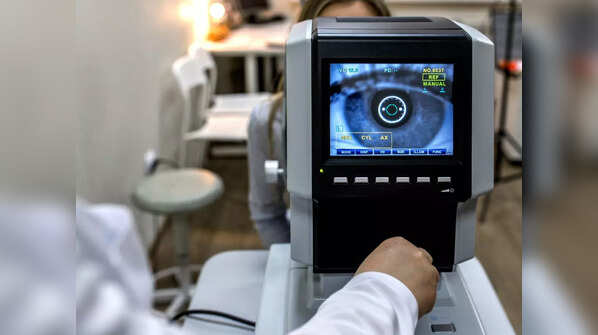
Annual eye exam is essential
In order to prevent vision damage that can come from diabetes, careful management of your diabetes is essential. If you have diabetes, it is important to see your eye doctor for a yearly eye exam with dilation, even if your vision seems alright. This exam is essential as it allows the disease to be discovered at the stage where treatment will be most successful.
Read more: What should be the screen time limit? 6 Symptoms of poor vision due to screen devices
Read more: Mysterious brain ailment affects hundreds in Canada: Report
Featured In lifestyle

