
Trending
Upset with LPG shortage? This engineer from Pune is making his own cooking gas at home with kitchen waste
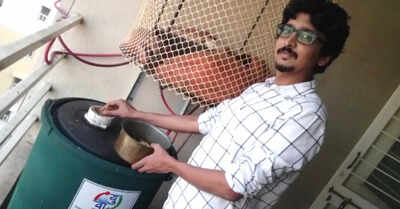
An engineer's observation of kitchen waste led to the development of Vaayu, a domestic biogas plant that converts organic scraps into cooking fuel. This innovation not only reduces landfill waste but also significantly cuts household reliance on LPG cylinders. The initiative has grown into a movement, empowering communities and transforming waste into a valuable resource.
Poll
Do you believe that kitchen waste can be effectively converted into cooking fuel?
A question hidden in the kitchen
Discovering fuel in food scraps
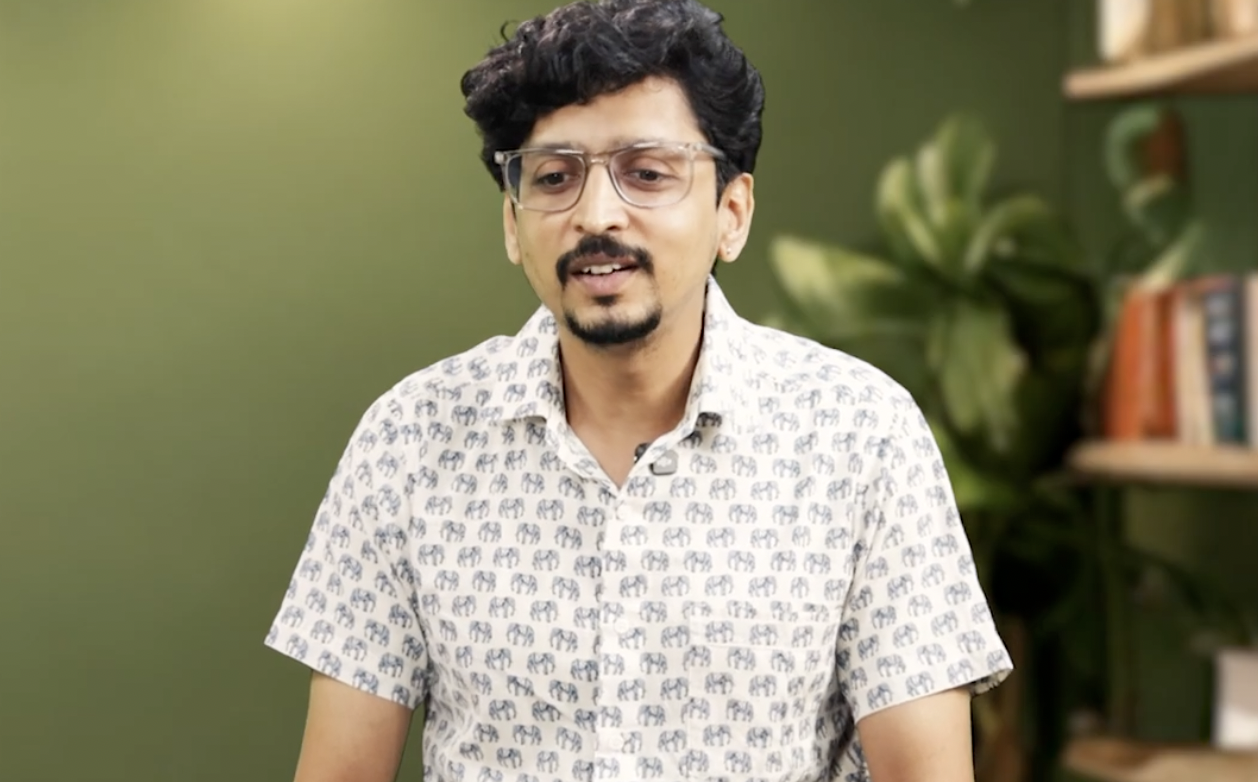
A home experiment that worked
Convincing a neighbourhood
From experiment to movement
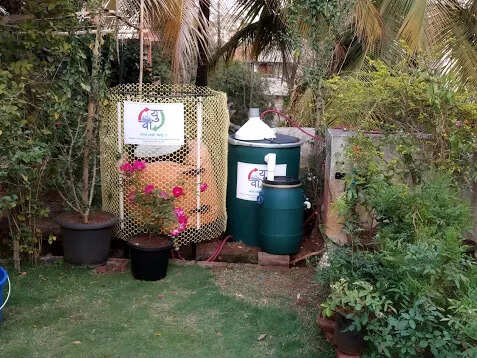
Rethinking what we call waste

About the AuthorTOI Lifestyle Desk
End of Article
Follow Us On Social Media
Health +
Tired of too many ads?go ad free now
Food videos
Featured In Food

Tired of too many ads?go ad free now



MORE FROM ETIMES
life & styleHot on the Web
Eid WishesUgadi 2026Tuberculosis SymptomsDhurandhar 2Akshay KumarCelina JaitlyEid Moon Sighting TimingAncient Indian FoodsLongest RiversChaitra Navratri 2026Divyanka TripathiJapan Vegetarians DishesViral Food Cart BoyVijayNavnindra Behl DeathDipika KakarBaby NamesEid Mehndi DesignsDhurandhar 2 Advance BookingMichael JacksonSalman KhanDharmendraNana PatekarProtein Rich BreakfastAamir KhanTrisha KrishnanHoroscope TodayAnirudh RavichanderShreya GhoshalEid 2026 Moon Sighting TimingsToday Gold Rate in ChennaiDelhi Weather TodayDelhi AQI TodayMumbai AQI TodayMaharashtra Public Holidays 2026Peter ThieliOS 27Devendra ChaplotSam AltmanJensen HuangIndian Cobra VS Egyptian Cobra
Trending Topics
Latest MoviesBollywood MoviesHollywood MoviesTamil Movies 2026Telugu Movies 2026Malayalam Movies 2026Kannada MoviesMarathi MoviesBengali Movies 2026Top Rated Movies 2026Best Hindi MoviesBest English MoviesBest Telugu MoviesBest Tamil MoviesBest Malayalam MoviesBest Kannada MoviesBest Bengali MoviesUpcoming Hindi MoviesBest Movies Of All TimeBest Hindi Movies of All TimeLatest English MoviesLatest Malayalam MoviesEnglish TV NewsTamil TV NewsTelugu TV NewsMalayalam TV NewsKannada TV NewsMovie ReviewsBhojpuri Cinema NewsGujarati Cinema News
Popular Categories
Viral NewsK Pop NewsWeb Series NewsAnime NewsUpcoming English MoviesUpcoming Tamil MoviesUpcoming Telugu MoviesUpcoming Malayalam MoviesUpcoming Kannada MoviesFashion TipsTravel NewsEntertainment NewsBollywood NewsTollywood NewsKollywood NewsMollywood NewsFood NewsLatest Hindi MoviesLatest Tamil MoviesParenting TipsHome RemediesWeight LossBeauty TipsParenting TipsHindi VideosHindi Video SongsBhojpuri Music VideosLatest Telugu MoviesBhojpuri Music VideoHindi TV News
Latest News
BU Jhansi result 2026 released at bujhansi.co.in: Direct link to download scorecards hereIs Iran’s security chief Ali Larijani killed? Israeli media say strike targeted him, fate unclearRTMNU releases winter session 2025 CBCS and NEP results for UG and PG courses on rtmnuresults.uonex.inBoney Kapoor, Janhvi Kapoor, Khushi Kapoor move to Madras HC over Sridevi's Chennai property: ReportRebecca Ferguson reveals Lady Jessica was originally cut from ‘Dune: Part Three': 'There’s a lot of FOMO'Lake Town: A space for community reinventedInside Ram Charan’s Rs 30 crore Jubilee Hills home: Looking at ‘Peddi’ star’s home with pool, tennis court and heritage art'He made everything very comfortable': Milind Soman opens up on his bond with Vijay Sethupathi on sets of ‘Kaattaan’'No criminal conspiracy was hatched': Why special court for MP/MLA cases cleared Ajit, Sunetra and Rohit Pawar in Rs 25,000-crore MSCB case'Trap Queen' rapper Fetty Wap announces fourth album 'Zavier' weeks after prison releaseIran war shakes skies: Emirates jets fly back to Dubai nearly empty as travellers fleeKim Kardashian’s ‘Gucci Girl’ has Lewis Hamilton’s attention: What the British racer thinks of her Vanity Fair Oscar Party lookKasba: The new go-to para for adda and snacksTamil superstar Rajinikanth calls Aadhav Arjuna’s remarks ‘untrue’, thanks leaders and fans for supportDDU final results for Assistant Professor recruitment exams out at ddugu.ac.in: Direct link to check department-wise selection list hereWest Bengal elections: EC transfers 19 senior police officers in fresh reshuffle ahead of pollsPeter Thiel says that the initiative under which Bill Gates, Mark Zuckerberg and Elon Musk have pledged to give away more than 90% of their wealth is Wrong as ...'Culture erased': New Hindu temple in Dallas sparks backlash, netizens claim '18th temple in the DFW area alone'