
6 traditional tips to make regular Dal Chawal nutrition-dense
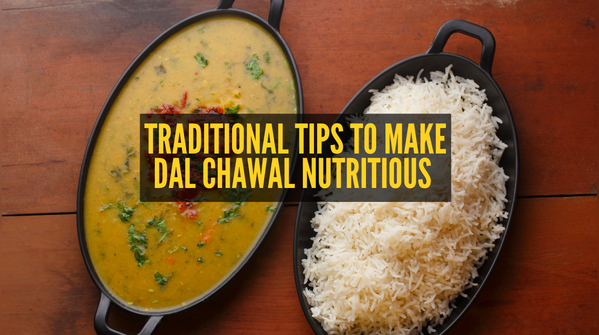
How to make Dal-Chawal even more nutritious
Dal-chawal is not a traditional meal; it is soul food or comfort food that many Indians associate with. The simple combination of steamed rice and cooked dal with turmeric and salt brings back many memories that we have enjoyed since childhood. Sometimes with achar and sometimes with a sabzi on the side, the combination feels home- and soul-satisfying in many ways. The sweetness of rice and the bright hues of dal, awaken the sensory organs and have made it a meal that transcends class, region, and age. This simple combination of lentils and rice carries with it the warmth of home, the memory of childhood, and the nourishment of generations. While we often call it a plate or bowl of nostalgia, experts feel that to make them nutrition-dense, it is important to add something 'more' on the side to call it a complete meal. Here we have listed 6 tips one can follow to make dal chawal rich in nutrients and satisfying as well.

Add tempering
After cooking the dal, it is necessary to add the tadka of ghee and jeera. Traditionally, tempering it with ghee, hing (asafoetida), jeera, garlic, mustard seeds, and green chilli not only enhances the flavour but also makes it gut-friendly. According to Rujuta Diwekar, a celebrity nutritionist and author, adding ghee tempering to dal enhances the nutrient value and digestibility as well.

Add seeds and greens
When it comes to traditional thali, in early times, people used to add soaked sprouts on the side of dal-chawal. Seasoned with lemon juice, salt, and pepper, they not only enhance the taste of the meal but also offer dietary fiber and protein that aids in the breakdown of food and boosts digestive health. These small additions increase the intake of omega-3 fatty acids, calcium, and antioxidants, which make the meal a balanced one.
Pair with fermented or probiotic food
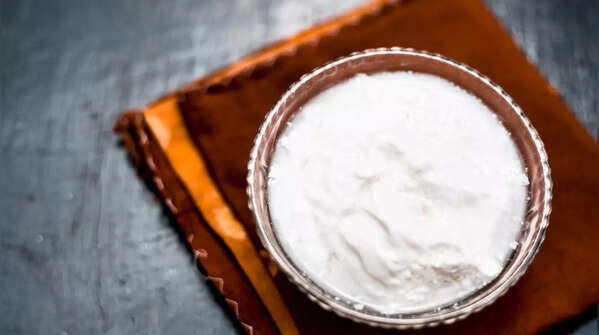
While dal-chawal makes for a nutritious lunch or dinner option, during summer months, it is suggested to serve it with fermented or probiotic foods to make it even more gut-friendly. One can add curd, buttermilk, or homemade pickle along with it. It is said that fermented foods support gut health and improve nutrient absorption. For instance, curd is a probiotic-rich food and contains live cultures of good bacteria that help balance gut microbes and improve digestion, reducing the chances of heartburn, bloating, and acidity during summer months. One can also use buttermilk, as it helps cool the stomach, aids digestion, and supports healthy gut bacteria.
Soaking the dal
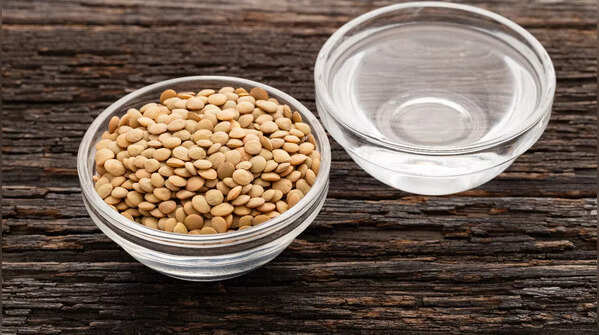
Soaking lentils (dal) for a few hours before cooking improves digestion and boosts nutrient absorption. It is said that soaking breaks down complex sugars (oligosaccharides) that can cause gas and bloating. Also, soaked dals cook faster and more evenly, saving time and energy. The practice also reduces phytic acid, an anti-nutrient that blocks the absorption of iron, zinc, and calcium. Rujuta also recommends soaking and sprouting the dal before cooking to reduce the anti-nutrients and allow the optimum enzyme action to break them down. According to her, they contain the anti-nutrient molecule that comes in the way of nutrient assimilation, which causes gas, bloating and indigestion in many people. Thus, soaking dal reduces the anti-nutrient and enhances the protein, micro-nutrient and digestibility of the pulses and legumes.
Serve with protein-rich sides
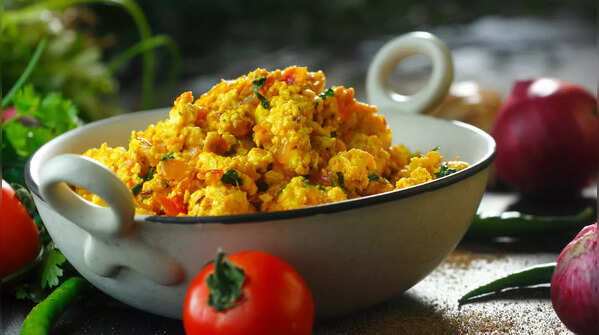
While dal chawal with a dollop of ghee tastes divine. But, from the nutritional perspective, you need to add rich sources of protein and other nutrients to make it a balanced meal. One can pair the meal with a boiled egg, paneer bhurji, curd, or roasted peanuts for an extra protein punch. Don't forget to add mixed sprout salad, which makes for a crunchy and nutritious side full of protein, vitamins, and minerals. And if you are looking for something more filling and spicy, you may add sautéed soya chunks, as it is loaded with plant-based protein and great with simple masalas.

Add veggies to dal
Addin sabzi to dal is always good. Whether you are cooking arhar, masoor, or moong dal, make sure to add some veggies to it. Mixing in veggies like spinach, carrots, bottle gourd, or tomatoes while cooking the dal helps boost fiber, vitamins, and minerals. While dal alone provides protein, veggies bring in essential vitamins like A, C, K, and minerals like iron and potassium. As per food experts, combining protein-rich dal with vegetables turns it into a more complete and wholesome dish.
Images Courtesy: istock
Featured In Food

MORE FROM ETIMES
life & style