
Blue Turmeric: What makes it different and its lesser-known benefits
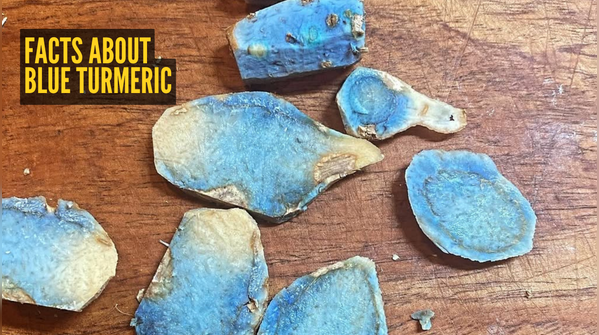
All about Blue Turmeric and its benefits
Turmeric or haldi is known for its medicinal values and is a popular Indian spice, used commonly in Indian kitchens. It is a rich source of antioxidants and is considered as a superfood that helps boost the immune system and it is suggested to add this yellow delight in our daily diet. But, did you know that there is a variety of haldi that is blue in colour? Well, yes, there is a unique variety and it is found in some parts of the country and is called Blue Turmeric. Scroll down to read about it. (Image Courtesy: Instagram/mayamayarao)
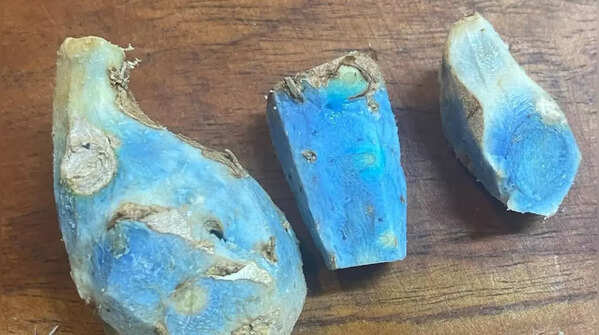
What is Blue Turmeric?
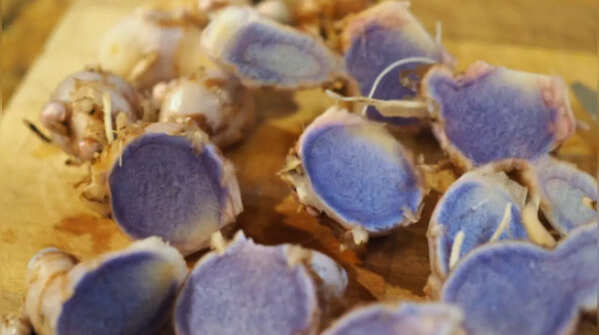
It is a rare variety of turmeric that belongs to a different botanical species than common yellow turmeric. Its scientific name is Curcuma caesia Roxb., and it is valued primarily for medicinal use rather than as a culinary spice. The rhizome has a dark outer skin, and the inner flesh appears bluish or deep black. It is said to have a sharp flavour similar to camphor and has a minty aftertaste. It is said to contain curcuminoids which have anti-inflammatory effects and can be used to treat arthritis and inflammatory bowel disease. (Image: Instagram/
mayamayarao)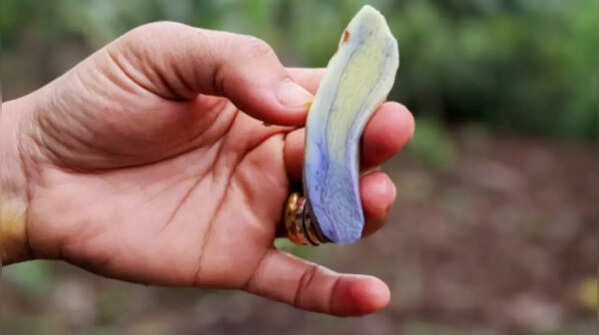
Where is it grown?
Unlike yellow turmeric, which is widely cultivated and used daily in cooking, Turmeric (Blue) is grown in limited regions. It is said to be grown in some parts of Kerala, Tamil Nadu, Andhra Pradesh, Odisha and North East, where the soil composition and climate are suitable. (Image: Instagram/burlapandbarrel)
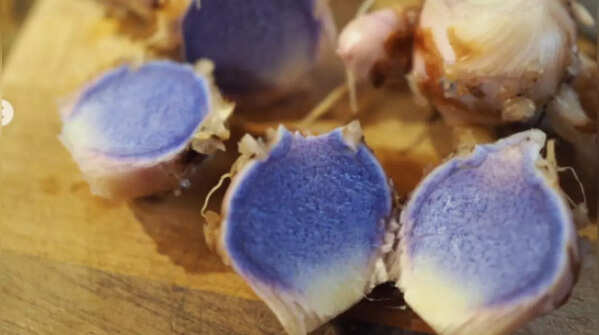
What does the study say?
As per a study titled Blue elixir of youth and wellness: The multicomponent-multitarget paradigm of Curcuma caesia Roxb, it is said blue turmeric is an innovative source of catechins, it is a novel antioxidant spice, and is said to delay UVB-induced aging in HaCat Cells. The study also states that blue turmeric may be an original ingredient for skin anti aging functional foods. It is also said to have inflammatory, antibacterial, and anticancer properties. In the pharmaceutical industry, blue turmeric can be developed into herbal medicines, cosmetics, essential oils, and health supplements. (Image: Instagram/daughtersoftheredsunset)
Uses of blue turmeric
As per experts, 1-2 grams per serving of this turmeric is good and traditionally it is not treated as a kitchen spice. Traditionally, it is used in cases of swelling, minor injuries and joint discomfort. It is also associated with clearer skin, reduced acne and protection against premature aging linked to UV exposure. (Image: Instagram/daughtersoftheredsunset)
What does study say about turmeric?
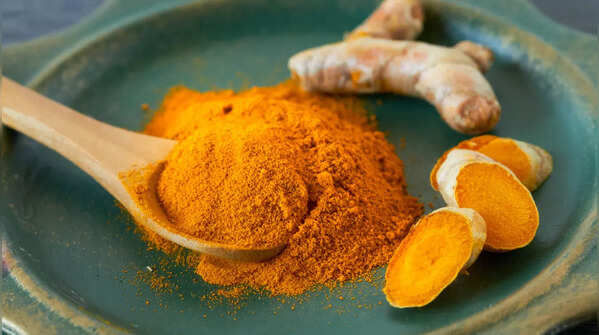
As per experts, curcumin in turmeric reduces inflammation and improves insulin action. According to a study titled Curcumin and Diabetes: A Systematic Review, curcumin could favorably affect most of the leading aspects of diabetes, including insulin resistance, hyperglycemia, hyperlipidemia, and islet apoptosis and necrosis. In addition, curcumin could prevent the deleterious complications of diabetes. And according to Sadhguru, "Consumption of turmeric on an empty stomach is a very effective cleanser. This may not be effective after you get cancer, but otherwise, swallowing a marble-sized turmeric ball and neem ball first thing in the morning acts as a great cleanser and takes away the cancerous cells in your body."
Disclaimer: The information provided in this article is meant for general knowledge only and should not be taken as medical advice. Always talk to your doctor before starting any new routine.
Featured In Food

MORE FROM ETIMES
life & style