
6 teas that can naturally reduce bloating and ease digestion

6 teas that can naturally reduce bloating and ease digestion
Bloating has a way of showing up uninvited: after a heavy meal, a rushed lunch, or a day of eating on the go. The good news is that relief does not always need to come from a cabinet of pills. A warm cup of tea can often help settle the stomach, calm trapped gas, and make digestion feel a little less stubborn. Here are six gentle teas people often turn to when the belly feels full, tight, or uneasy, along with the simplest way to make each one at home.
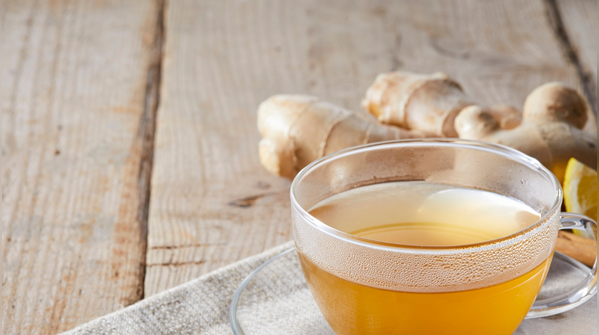
Ginger tea
Ginger is one of the most reliable home remedies for digestive discomfort. It may help stimulate digestion, ease nausea, and reduce that heavy, sluggish feeling after eating.
How to make it
Peel and slice 1-inch fresh ginger. Add it to 1 to 2 cups of water and simmer for 5 to 10 minutes. Strain into a cup and sip warm. A little honey can soften the sharpness, but it is optional.
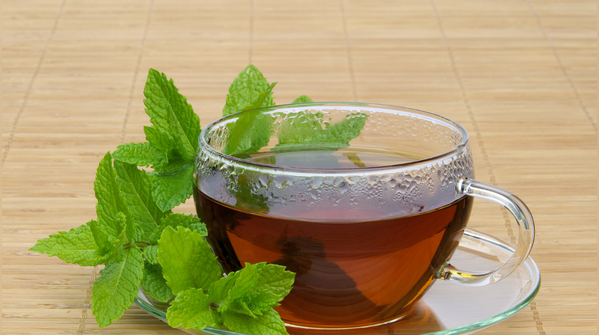
Peppermint tea
Peppermint has a cooling, calming effect that can help relax the muscles of the digestive tract. That is why it is often used for gas, bloating, and cramping.
How to make it
Use 1 teaspoon dried peppermint leaves or 1 peppermint tea bag in a cup of hot water. Steep for 5 to 7 minutes, strain if needed, and drink slowly after a meal. Avoid it if you have acid reflux, since peppermint can sometimes make that worse.
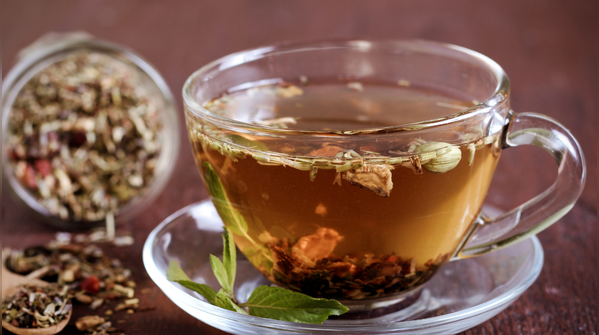
Fennel tea
Fennel seeds have long been used after meals because they may help reduce gas and support smoother digestion. The flavor is mild, slightly sweet, and comforting.
Fennel also contains plant compounds that may help relax the digestive tract, which is one reason it is commonly used in traditional remedies for bloating and heaviness after eating. Many people find it soothing after restaurant meals, festive foods, or dinners that feel richer and heavier than usual.
How to make it:
Crush 1 teaspoon fennel seeds lightly with the back of a spoon. Add them to a cup of boiling water and steep for 7 to 10 minutes. Strain and sip warm. This one is especially nice after a rich or oily meal.
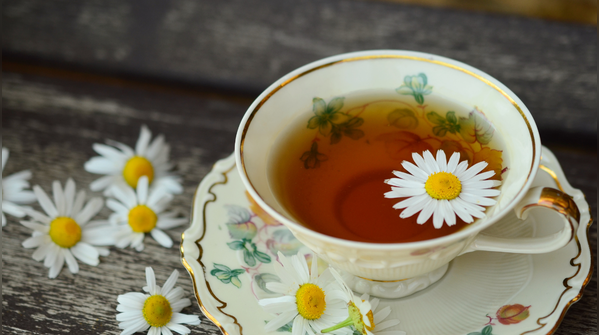
Chamomile tea
Chamomile is better known for helping people relax, but it can also be useful for digestion. When stress plays a role in bloating, chamomile may help by calming both the mind and the stomach.
How to make it
Place 1 chamomile tea bag or 1 tablespoon dried chamomile flowers in a cup of hot water. Steep for 5 minutes, then strain. Drink it in the evening or after dinner for a softer landing after a long day.
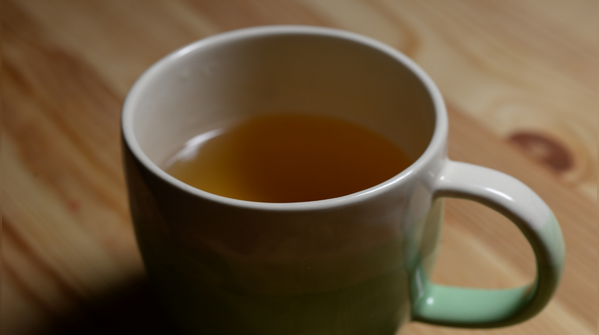
Cumin tea
Cumin is a quiet kitchen staple with a strong digestive reputation. It may help reduce gas and support the digestive process, especially when the stomach feels uncomfortably full.
How to make it
Boil 1 teaspoon cumin seeds in 1 to 2 cups of water for about 5 minutes. Strain the tea into a cup and drink it warm. It has an earthy, slightly bitter flavour, so a tiny squeeze of lemon can brighten it up.
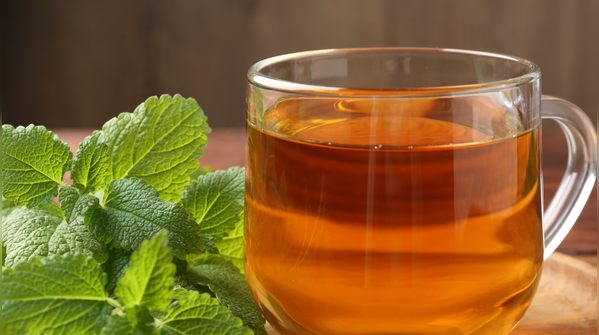
Lemon balm tea
Lemon balm belongs to the mint family and brings a gentle, citrusy flavour. It is often used to ease stress-related digestive discomfort, which can be a hidden cause of bloating.
How to make it
Steep 1 teaspoon dried lemon balm leaves or 1 tea bag in a cup of hot water for 5 to 10 minutes. Strain and drink warm. It works well in the afternoon or before bed, especially when the body feels tense.
The best tea for bloating depends on what is behind it. Ginger and fennel are often favorites for gas and heaviness. Peppermint can feel instantly soothing. Chamomile and lemon balm are better when stress is part of the problem. Cumin offers a simple, earthy fix that has stood the test of time.
Featured In Food

MORE FROM ETIMES
life & style