
- News
- lifestyle
- fashion
- style-guide
- 5 weaving traditions in India that have survived for centuries
5 weaving traditions in India that have survived for centuries
From legacy to loom
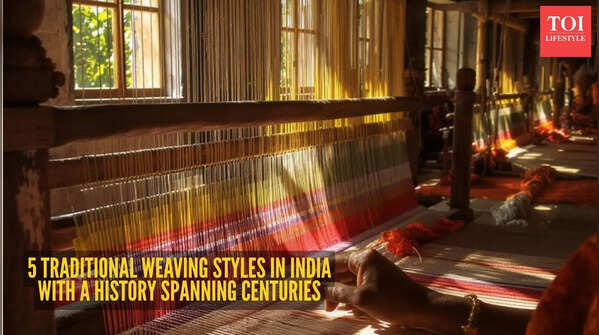
India is known for its lush textiles and is celebrated for its quintessential embroideries, which tell tales of its ancient era, rich civilisations, folklore, and unparalleled art. The nation has a weaving legacy transmitted from generation to generation, making it immemorial. From the beauty of Banarasi to the technique of weaving Patola, this Indian textile market isn't a recent creation; it is a century-old legacy still thriving today. Here are 5 weaving traditions in India that have survived for centuries.
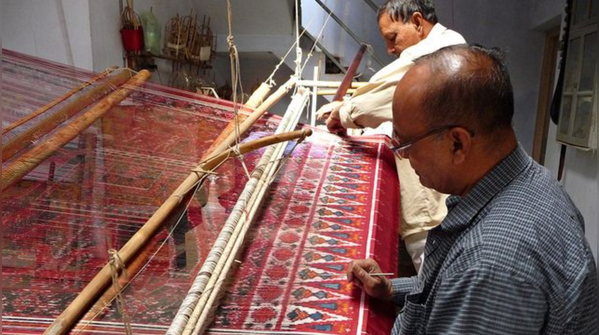
Patola: Patan, Gujarat
Patola weaving, mainly seen on sarees and dupattas, uses the complex double ikat technique and originated in Patan, Gujarat. It has a 700-year history and is known for meticulous craftsmanship featuring vibrant geometric patterns and utilising the double ikat technique. Even after so many years, the craze for Patola weaving remains alive and highly preferred among Bollywood celebs, fashion influencers, and the general public.
(Image Credits: Pinterest)
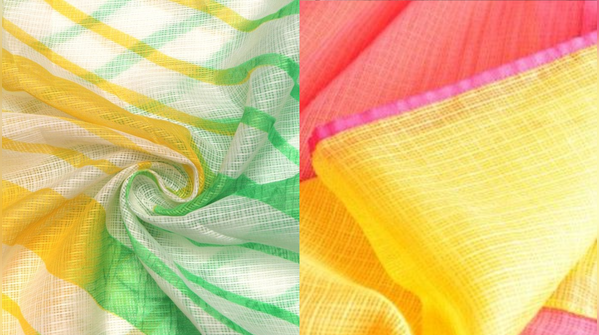
Kota Doria: Kota, Rajasthan
Kota Doria weaving originated in Kota, Rajasthan, with a rich history dating back to the 17th century. The craft traces back to weavers from the Deccan region, known for their fine muslin fabrics. Around the 1600s, Rao Kishore Singh, who was the general and Prince of Kota, invited these weavers to Kota, establishing the craft there. Kota Doria is known for its lightweight material and transparent, square-like patterns.
(Image Credits: Pinterest)
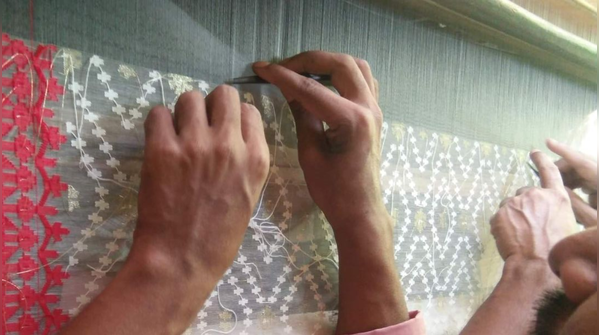
Jamdani: West Bengal
Jamdani or Dhakai Jamdani sarees are known for their sheer muslin fabric with intricate floral motifs. Heavily worn in West Bengal, this craft has historical ties to Dhaka, Bangladesh, and was introduced to West Bengal during the Mughal era. This is a time-consuming, skilled craft made on sheer structured muslin fabric. Sulaiman, a fabric prosecutor in the 9th century, noted the superfine muslin from the Rahmi Kingdom (Bengal at the time) after passing it through a ring to prove its prowess.
(Image Credits: Pinterest)
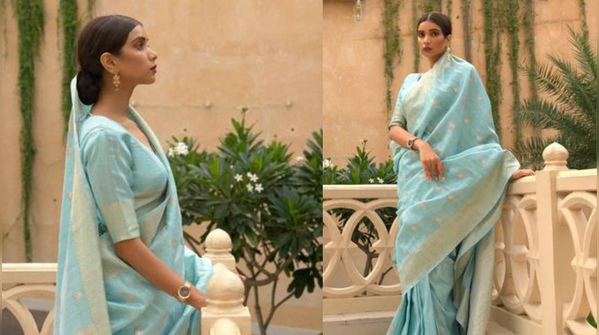
Chanderi weaving: Chanderi, Madhya Pradesh
Chanderi sarees have a royal lineage and are believed to have been woven since the 2nd century. However, the craft flourished under the Scindia rulers, who had it woven on fine silk or cotton with a sheer texture, decorated with traditional motifs. Traditional accounts trace this art back to the 2nd and 7th centuries when weavers from the Malwa and Bundelkhand regions practised it. In the 13th century, during Alauddin Khilji's rule, weavers migrated from Bengal, learnt this art, and introduced heavy gold and zari work, influenced by Mughal aesthetics.
(Image Credits: Pinterest)
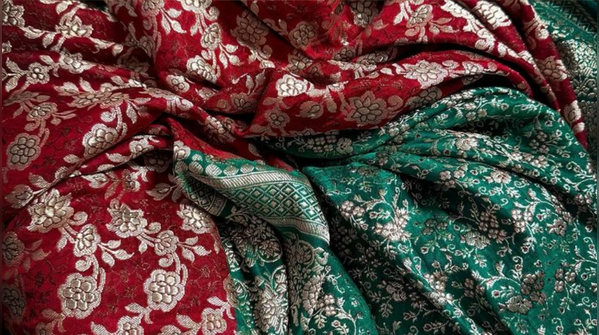
Banarasi weaving: Varanasi, Uttar Pradesh
Banarasi silk sarees are one of the silk pieces that are always in high demand. These have a history that dates back to the Mughal era and originated in the city of Varanasi, where skilled artisans were patronised by the Mughal emperors. They were known for their intricate zari art on rich silk fabric, which was then worn in the Mughal darbars. Banarasi sarees are known for their traditional motifs, intricate patterns, and luxurious appeal.
(Image Credits: Pinterest)
Featured In lifestyle

MORE FROM ETIMES
life & style