
From British rejection to fashion revolution: The story behind India’s most iconic saree moment
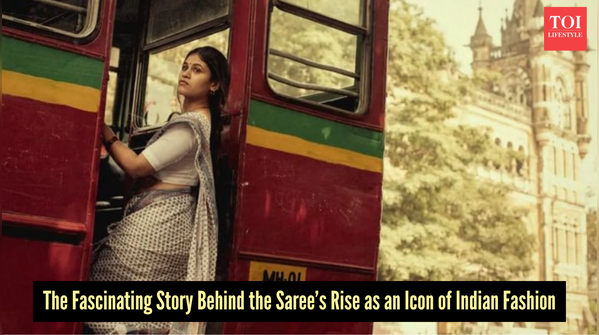
The Saree’s Surprising History
When you stand in front of a mirror, carefully tucking in those front pleats and tossing the pallu over your shoulder, you probably feel connected to some ancient, thousands-of-years-old tradition. It feels timeless, doesn't it? Well, prepare to have your mind blown.
That "traditional" standard drape hanging in your closet? It’s basically a 19th-century remix. And the wild part is how it actually came to be. We're talking about a massive cultural mashup between Bengal and Gujarat, sparked by—of all things—a strict British club.
A Wardrobe Malfunction of the Colonial Kind
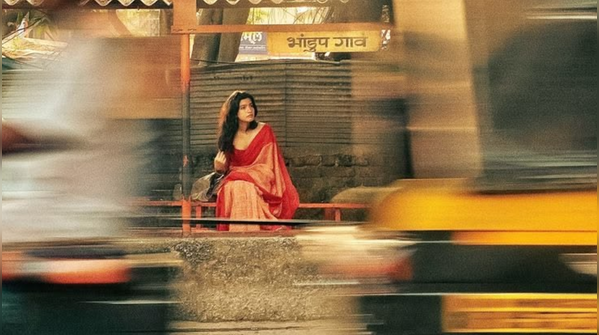
Before the 1870s, the way Indian women dressed was entirely fluid. Unstitched fabric was the norm, and the concept of wearing a tailored blouse or a petticoat underneath? Completely unheard of. Depending on where you lived and how harsh the summer heat got, the upper body was often just left bare or very loosely covered by the saree fabric itself. But as times changed, women from elite families started stepping out into public spaces.
And they immediately hit a brick wall of Victorian prudishness. Enter Jnanadanandini Devi. Married into Bengal’s super-elite Tagore family (yes, that Tagore family), she was smart, fiercely independent, and a trendsetter waiting to happen. The story goes that she once tried to walk into a British club wearing her traditional Bengali aatpoure saree.
Because it didn't involve a blouse or conform to European standards of modesty, the colonial gatekeepers essentially told her she wasn't dressed "properly" and blocked her entry. Instead of backing down, retreating home, or squeezing herself into a suffocating Western gown, she decided to hack her own wardrobe.
(Image Credits: Pinterest)
Taking Notes in Bombay
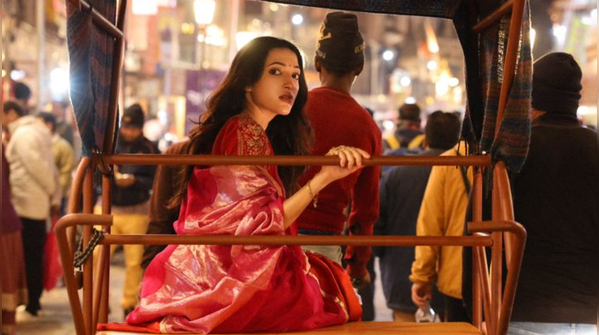
Life eventually took Jnanadanandini and her husband to Bombay, and that’s where she struck fashion gold. She started people-watching. Specifically, she noticed how women in western India, especially from Gujarati and Parsi communities, wore their sarees.
They had this clever trick of bringing the fabric right around the body and throwing the loose end over their shoulder. It wasn't just elegant; it was incredibly practical. You could actually walk quickly without tripping over yourself. It provided the exact type of coverage needed to navigate colonial public spaces with confidence, while staying totally true to Indian roots.
(Image Credits: Pinterest)
The Birth of the Modern Drape
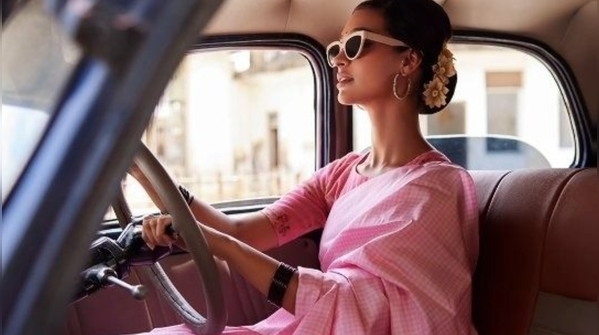
When she packed her bags and headed back to Calcutta, she didn’t just copy the Bombay style. She engineered it. Jnanadanandini added crisp front pleats to give the fabric a structured, manageable fall. She threw a fitted blouse and a petticoat into the mix—basically inventing the saree silhouette as we know it today. Then, she pinned the pallu over her left shoulder, often with a fancy brooch, leaving her hands totally free.
The educated women of Bengal went absolutely crazy for it. They called it the Brahmika or Thakurbarir (Tagore household) drape. It was sharp. It stayed put. Women could finally move, work, travel, and socialize without constantly adjusting their clothes.
(Image Credits: Pinterest)
Fast Forward to Today
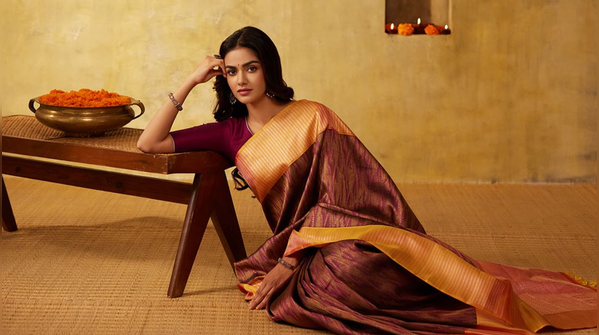
Look around any Indian wedding, corporate boardroom, or festive puja today. From the streets of Delhi down to Chennai, this exact style is the absolute default. It’s funny to think about. What we consider our ultimate traditional outfit is actually the result of a brilliant 19th-century life hack. So, the next time you pin up that pallu, remember Jnanadanandini Devi. She didn't just give us a beautiful way to dress; she gave generations of women the freedom to finally move.
(Image Credits: Pinterest)
Featured In lifestyle

