
Chaitra Navratri 2026: Avoid buying these items during the festival
Chaitra Navratri 2026: Avoid buying these items during the festival
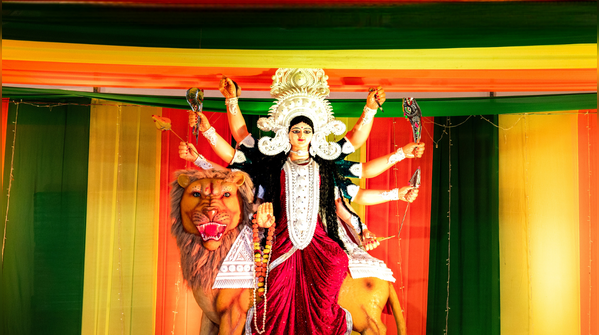
Chaitra Navratri compresses daily life into a focused rhythm: shortened menus, timed prayers and an inward turn that reshapes ordinary routines. For many households, that shift extends to what is bought, not always because of hard rules, but because certain purchases jar the festival’s intentional simplicity or complicate worship logistics. Below are the items devotees commonly avoid during the nine days and the practical reasons behind each choice.

Alcohol and tobacco products
Intoxicants are commonly set aside for the festival period. In homes where puja, bhajans, and satsang take priority, alcohol and cigarettes feel discordant; buying them during the nine days is often seen as out of step with the spirit of the observance. Moreover, social demand in neighbourhood markets typically falls, and many vendors anticipate and accommodate this temporary dip in sales.
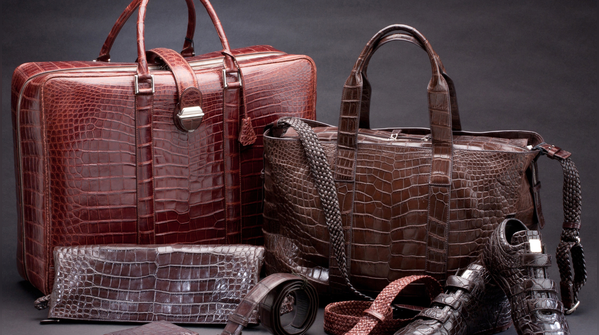
Leather goods and animal-derived products
Leather shoes, belts and other animal-derived accessories are often avoided, particularly in homes that emphasize ritual purity. For some this is an ethical or symbolic practice, a gesture of non-violence and restraint, while for others it’s a matter of decorum: bringing new animal-derived items into spaces dedicated to the goddess can feel out of sync with devotional austerity. Practical substitutes like synthetic footwear are commonly used if new items are essential.

Major household purchases and renovations
Buying large appliances, furniture, or starting home renovations during Navratri is often avoided. Practically it can be inconvenient, deliveries, installations, and noisy work can interrupt daily prayers and rituals. On a symbolic level, bringing major new items into a home focused on worship can feel distracting during these nine days of devotion. Many households therefore organise such purchases either before Navratri begins or after it ends, sometimes scheduling online deliveries for once the festival period is over.
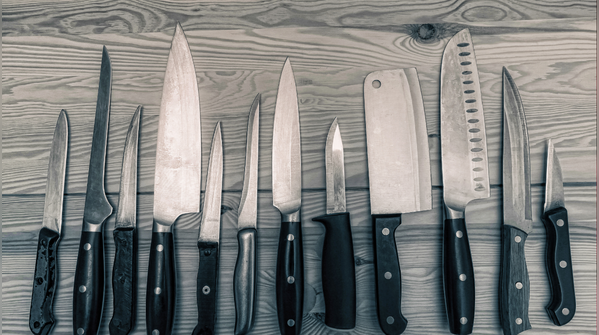
Sharp implements and cutting tools
While knives and tools are household necessities, acquiring new, sharp implements specifically during Navratri is avoided in some communities. The reason is partly symbolic, the festival highlights purity and non-harm and partly practical: households prefer to use established utensils for offerings to avoid accidental contamination of pooja items. If new blades are unavoidable, devotees generally sanitize and dedicate them before use rather than bringing them into the ritual space during the nine days.
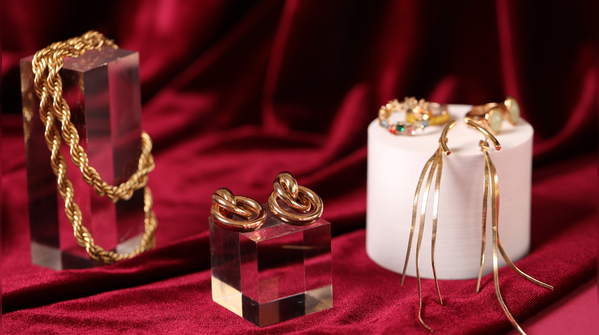
Conspicuous jewellery and status purchases
Purchases that signal conspicuous consumption, flashy jewellery, luxury accessories, or ostentatious gifts, are often considered ill-timed during Navratri. The festival’s public and private expressions place emphasis on inner renewal and devotion, so overt displays of wealth can feel out of place with its quieter spirit.
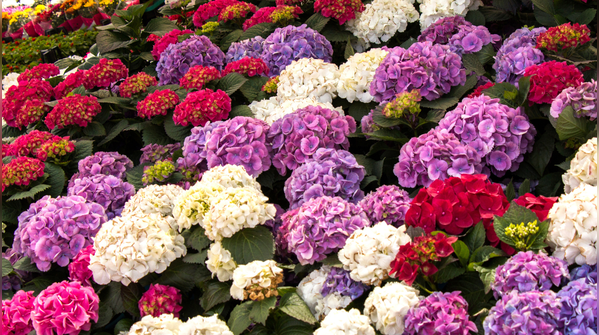
Perishable flowers and delicate offerings
Flowers are central to Navratri worship, but buying large quantities of fragile blooms in advance is rarely practical. Hardy varieties such as marigold or chrysanthemums are preferred for pre-packing, delicate roses and orchids are usually purchased fresh each morning to avoid waste. Households balance devotion with economy by staggering flower purchases rather than overstocking perishable offerings.
Exceptions and practical tips
Practices vary by region, family custom, and personal conviction. Exceptions are common and accepted for urgent needs, medical supplies, essential travel items, or unavoidable work equipment. Simple preparation helps: organise deliveries for after the festival, buy perishables just before worship begins, and choose modest substitutes when possible. Planning purchases thoughtfully helps preserve the quiet tone of the festival.
Featured In lifestyle

MORE FROM ETIMES
life & style