
Why milk-moisturising can irritate certain skin types
Milk Moisturising Trend Explained
Doomscrolling your beauty feed lately? Then you've definitely seen the sudden obsession with lactic acid body lotions. Everywhere you look, people are pushing acid-spiked creams and romanticizing those indulgent, Cleopatra-style milk baths. The ultimate promise is flawless, baby-soft skin that practically glows. Sounds incredible, right? Especially when this intense May heat is already making our skin act up—who wouldn't want a full-body reset just by hopping in the shower.
But let's hit pause on the hype for a minute. The actual reality of lactic acid—an Alpha Hydroxy Acid (AHA) that basically pulls double duty as a dead-skin melter and a moisture sponge—is nowhere near that straightforward. Let's get real for a minute. Slathering on these viral lotions isn't a one-size-fits-all magic trick, and for some, it might actually be doing more harm than good. Here is exactly why this trending skincare staple might not be your skin's best friend.
When the Barrier Breaks
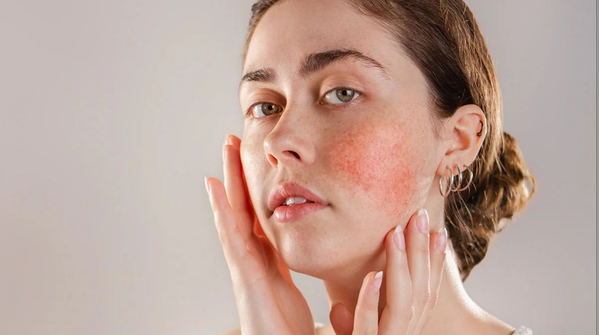
Got eczema, rosacea, or psoriasis? You might want to step away from the acid. Sure, the beauty community loves to hype lactic acid up as the gentlest AHA out there. Because its molecules are on the larger side, it doesn't penetrate your skin as aggressively as something like glycolic acid. But at the end of the day, it's still a potent acid. If your skin barrier is already compromised and struggling to stay intact, dissolving that protective top layer of dead cells is basically inviting trouble. We're talking severe stinging, unexpected burning, and a whole lot of angry inflammation.
(Image Credits: Pinterest)
The Sneaky Sunscreen Trap
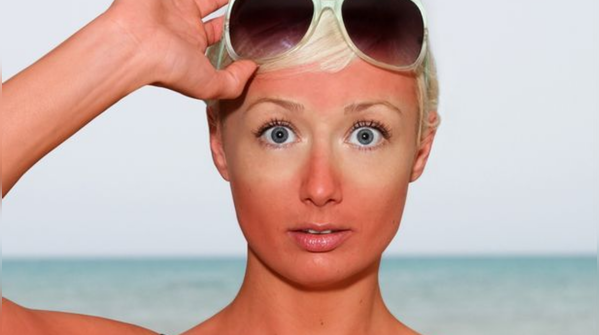
Here’s a major trap a lot of us fall into without even realizing it. You use a smoothing lactic acid lotion on your arms and legs, step out into the bright afternoon sun, and completely forget about body sunscreen. Big mistake. Lactic acid works by accelerating cell turnover, revealing fresh, brand-new skin. But that "new" skin is incredibly vulnerable to UV rays. For those of us with naturally deeper skin tones, going out unprotected after using AHAs can trigger post-inflammatory hyperpigmentation. Ironically, you might end up causing the exact dark patches you were trying to smooth out.
(Image Credits: Pinterest)
The Raw Milk Reality Check
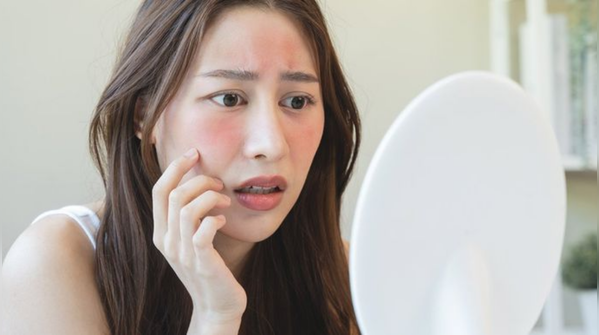
Let's clear up a massive misconception right now. The lab-formulated, synthetic lactic acid in your fancy pump bottle (which is usually vegan and derived from fermented sugar or cornstarch) is very different from raiding your fridge for actual raw milk. If you happen to have a severe dairy allergy, applying literal milk proteins to your skin is a fast track to hives, severe itching, and redness. Furthermore, if you're trying a DIY "milk moisturization" hack, you should know that real milk can actually deposit bacteria onto your body. It lacks the heavy, occlusive ingredients needed to actually lock moisture into your skin. Instead, the natural fats just clog your pores and trigger nasty body acne. Yikes.
(Image Credits: Pinterest)
Scrubbing Away Your Sanity
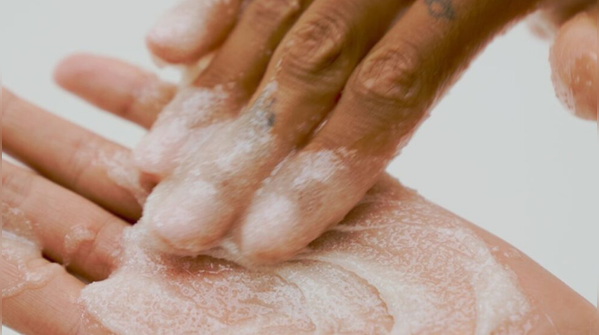
Are you a big fan of loofahs? Or maybe you use a harsh physical scrub or a salicylic acid (BHA) body wash to fight back breakouts? If you're doing that and blindly applying a daily lactic acid lotion, you are playing a dangerous game. Doubling up on exfoliants strips your skin entirely. You'll know you've hit the "over-exfoliated" stage when your skin starts feeling uncomfortably tight, looks weirdly shiny like plastic, and becomes prone to tiny micro-tears and redness.
(Image Credits: Pinterest)

It's All About the Percentages
It turns out, lactic acid has something of a split personality depending on the bottle you buy. It really boils down to the concentration levels. If your lotion has under 5% lactic acid, it primarily acts as a humectant. It pulls water into the skin and boosts your natural moisture levels, making it an absolute dream for severely dry skin. But crank that concentration up to 10% or 12%? Now you've got a potent chemical peel on your hands. While high percentages are brilliant for dissolving the stubborn keratin that causes "strawberry legs," sensitive skin simply cannot handle that level of daily exfoliation. Try it, and you can expect blistering and serious flaking. The final verdict? Lactic acid isn't the villain of the skincare world, but it definitely demands your respect. Listen to your skin, always check your percentages, and for the love of all things beauty—do not forget the SPF.
(Image Credits: Pinterest)
Featured In lifestyle

MORE FROM ETIMES
life & style