
- News
- India News
- Narayanan who led Isro's cryo engine amid tech denial regimes, takes charge as chairman
Trending
This story is from January 14, 2025
Narayanan who led Isro's cryo engine amid tech denial regimes, takes charge as chairman
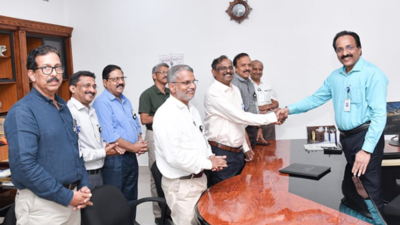
V Narayanan, who led India's advancements in cryogenic engine technology, has taken charge as ISRO's new chairman, replacing Somanath. Narayanan played essential roles in the Chandrayaan missions, Aditya-L1, and the Gaganyaan human spaceflight programme, and will oversee critical upcoming missions including the Venus Orbiter and Bharatiya Antariksha Station.

About the Author
Chethan KumarEnd of Article
Follow Us On Social Media









Photostories
Hot Picks
Top Trending
Explore Every Corner
Across The Globe
Jason KelceTCS LayoffsLoloverruled HasanabisSummerslam 2025NFL Headquarters AttackErin BurnettWho is Shane TamuraJoshua HendersonCameron BrinkNFL Headquarter ShootingPaul GeorgeSavannah JamesWuthering Waves Augusta Release DateNBA Trade NewsNYC ShootingInventor Julian BrownFortnite ServersOperation MahadevGrand Sierra Resort ShootingNYC NFL ShooterRyne SandbergOperation MahadevJane Street banShane TamuraNon Working VisaLondon StabbingHulk Hogan DeathRyne SandbergNFL Headquarters ShootingShailesh Jejurikar
Hot on the Web
Fatty LiverNeena GuptaKapil SharmaAvatar Fire And Ash TrailerLargest Snake PopulationIce Remove From FreezerChest PainMohit SuriWalkingPeanut Butter BenefitsWalking For Weight LossSaiyaaraAmitabh BachchanWalking RoutineSaiyaara Box Office CollectionLiver HealthHari Hara Veera Mallu Movie ReviewMaareesan Movie ReviewThalaivan Thalaivii Movie ReviewRubina DilaikKarisma KapoorHema MaliniHari Hara Veera Mallu Box Office CollectionParrotSkin ProblemReverse Fatty LiverKidney HealthSaiyaara Movie ReviewBaby NamesChest PainRaj KapoorHair LossSolar EclipseAnand MahindraFatty LiverHeart ProblemOne PieceBest Shounen AnimeNeck Pain TipsMonsoon Travel TipsChronic InflammationJeff Bezos
Trending Topics
IND vs WI Live StreamingNavjot Singh SidhuBen DuckettUPSC EPFO RecruitmentPM Internship SchemeDivya Deshmukh Education QualificationIndian Army Agniveer ResultTS EAMCET Seat AllotmentGeoffrey BoycottSunil GavaskarArshdeep SinghRavindra JadejaJasprit BumrahNasser HusaainGautam GambhirKendriya Vidyalaya EnrolmentsMPESB RecruitmentCaitlin ClarkTNEA Seat AllotmentShane TamuraDelhi weatherTCS layoffsAbhay NayakWho is HollyIndia-US trade dealHang Seng indexSan Jose SharksKayla NicoleTyrese HaliburtonJordon HudsonAstronomer CeoNyt Connections HintsWordle TodayiPhone 17 ProSatya NadellaElon MuskAnand MahindraSolar Eclipse 2025Jensen HuangSundar PichaiRedmi Note 14 SETCS Layoffs
Popular Categories
HeadlinesSports NewsBusiness NewsIndia NewsWorld NewsBollywood NewsHealth+ TipsIndian TV ShowsTechnologyTravelEtimesHealth & FitnessNFLAugust Long Weekend 2025India vs EnglandAstrologyWeather TodayPlatinum Rate TodaySilver Rate TodayGold Rate TodayIs Bank open todayIs Bank Open TomorrowJune Bank HolidaysPublic Holidays in JuneStock Market HolidaysFinancial CalculatorsTechnology NewsInternational SportsPublic HolidaysBank Holidays
Latest News
Operation Sindoor: India offers terror fight aid to Pakistan; Rajnath Singh says help available if they can’t actWordle today #1501: Get hints and answers to today's puzzle July 29, 2025SSC MTS Recruitment 2025: Correction window dates revised, check official notice hereTCS layoffs: Amidst mass sackings, Tata Consultancy Services stops salary hikes & senior level hiring; ‘huge cost cutting in…’DRDO successfully tests indigenous Pralay missile: Range capability validated - why it mattersIND vs ENG 5th Test: The Oval curator shares his version after heated exchange with Gautam GambhirThis K-Pop Star's Heart-Wrenching Daily Ritual Will Make You Believe in True Love - The Details Are Incredibly Moving'Nothing wrong in conveying emotions': Shivakumar defends Kharge's 'overlooked for CM' remark; but cautions against public expressionWhy do women need to “fit” in?‘Would you rather we switch off our economy,’ Indian envoy asks, defending buying oil from RussiaVijay Deverakonda and Rashmika Mandanna to star in Rahul Sankrityan directorial 'VD14' - ReportsSonakshi Sinha's brother Kussh Sinha takes indirect dig at 'Saiyaara' after his film 'Nikita Roy' scores low at box office: 'We haven’t plagiarised content'Swaroopa Ghosh returns to tv with a powerful role in Ami Dakini; says ‘I play the matriarch of the family’Nick Cassidy bids emotional farewell to Jaguar, calls them “tough competitors” going forwardNSE Q1 results: Net profit rises 14% to Rs 2,924 crore, contribution to exchequer logs at Rs 14,331 crore in April–JuneNYT Connections hints and answers for today (July 29, 2025)Lenovo launches Legion Pro 34WD-10 gaming monitor with 240Hz curved OLED screen in IndiaMost American workers, especially millennials and Gen Z are burnt out: Here is what's driving them away from work
Copyright © 2025 Bennett, Coleman & Co. Ltd. All rights reserved. For reprint rights: Times Syndication Service