
- News
- India News
- From caste maths to influencers: How parties are fighting Tamil Nadu assembly polls 2026
From caste maths to influencers: How parties are fighting Tamil Nadu assembly polls 2026
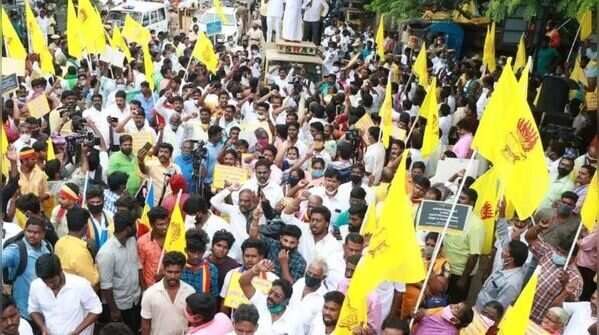
Micro-targeting caste groups
Caste remains a decisive electoral force in Tamil Nadu, with blocs like Vanniyars, Thevars, Gounders, and Dalits shaping outcomes due to their numerical strength and regional concentration. Parties tailor alliances and candidates accordingly, for instance, the AIADMK targeting Thevar support or the PMK mobilising Vanniyars, turning social identity into a strategic vote bank advantage.

Star power politics
Film celebrities are reshaping Tamil Nadu’s electoral landscape by converting fan bases into political capital. Figures like Vijay of TVK and Kamal Haasan of MNM leverage mass appeal, especially among youth, to disrupt traditional vote banks and inject new momentum into campaigns.

Nano-influencer campaigns
Parties are increasingly using micro and nano-influencers to reach young voters in subtle, organic ways. The DMK, for instance, leverages creators who embed political messaging into reels on topics like college life, memes, and local development, allowing it to engage apolitical audiences without overt campaigning.
Anti-incumbency
Voter fatigue with the ruling DMK government often creates openings for the opposition in Tamil Nadu. Parties like the AIADMK and BJP seek to channel dissatisfaction over governance and unmet expectations into a broader anti-government vote, turning public sentiment into electoral momentum.
Language politics
Language remains a deeply emotive issue in Tamil Nadu, shaped by a long history of resistance to Hindi imposition. Parties like the DMK frame it as a defence of Tamil identity, with leaders like MK Stalin warning that Hindi expansion could erode regional culture, mobilising voters around linguistic pride.
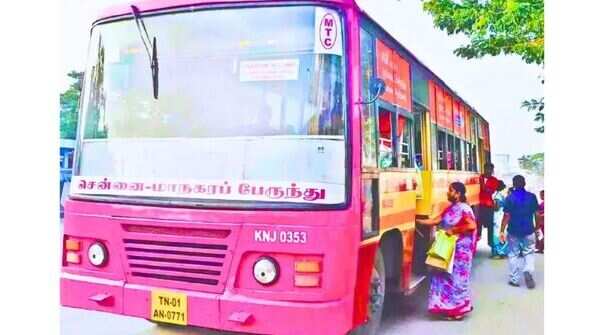
Welfare programmes
Welfare schemes remain central to voter appeal in Tamil Nadu, with parties using targeted benefits to build loyalty. The DMK, for example, has implemented initiatives like free bus travel for women under the ‘Vidiyal Payanam’ scheme and monthly financial assistance programmes, turning direct benefits into a strong electoral advantage.
Seat-sharing strategy
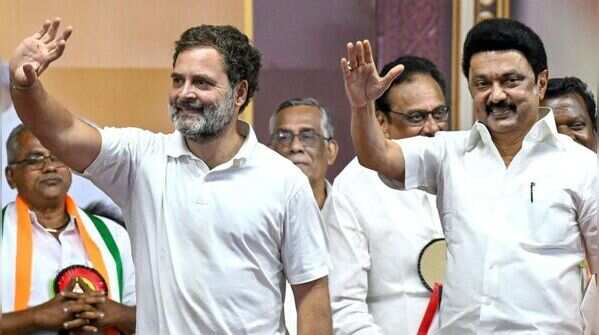
Seat-sharing alliances remain central to Tamil Nadu politics, shaping both strategy and outcomes. Parties like the DMK, with allies such as INC, CPI, and VCK, and the AIADMK with the BJP and others, allocate constituencies based on local strength to maximise winnability and prevent vote fragmentation.

Ground campaigns and yatras
Traditional large-scale rallies and statewide tours remain crucial for direct voter outreach and cadre mobilisation. Leaders like EPS representing AIADMK have undertaken extensive tours across all 234 constituencies, using on-ground presence to strengthen voter connect and energise party workers.
Featured In India

