
- News
- Health News
- You have heard of ‘good’ and ‘bad’ cholesterol: But what if that’s not the full story and you’re reading it wrong?
You have heard of ‘good’ and ‘bad’ cholesterol: But what if that’s not the full story and you’re reading it wrong?

How to completely understand our cholesterol reports
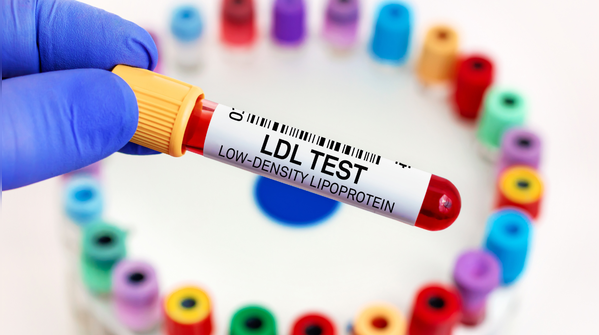
Most people grow up hearing a simple rule: LDL is “bad” cholesterol and HDL is “good.” It sounds clean, easy, and comforting. But the human body rarely works in neat labels.
A routine blood report may show numbers within range, yet risk can still be quietly building. And sometimes, numbers that look “off” do not tell the full story either. Cholesterol is not just a number game. It is a system, shaped by lifestyle, inflammation, and metabolism.
Dr Diwakar Kumar, Consultant–Cardiology Unit-II, Asian Hospital, puts it plainly:
“People usually think of cholesterol as either good or bad. That is not entirely accurate. What really matters is how all the different parts of cholesterol work together in your body like the size of the particles and how inflammation you have.”
So, what are we missing when we read cholesterol reports?
LDL is not just ‘bad’, it has layers
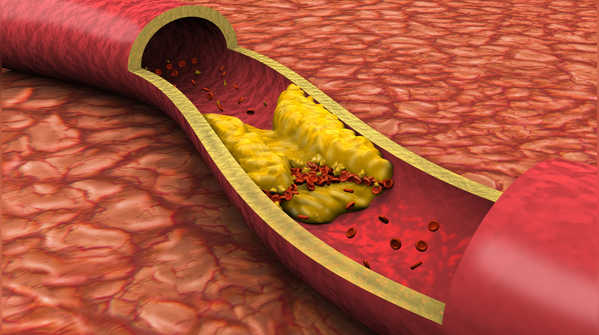
LDL cholesterol often takes the blame for heart disease. But not all LDL behaves the same way.
There are different types of LDL particles. Some are large and fluffy. Others are small and dense. It is the smaller, denser ones that tend to slip into artery walls and trigger plaque build-up.
Taking calcium but still have weak bones? Why supplements alone don’t work and what you need to actually improve bone health
Dr Kumar explains, “For example not all of the cholesterol, which is called LDL is equally bad for you. The small and dense LDL particles are more likely to cause problems like building up plaque in your arteries than the ones.”
This means a standard LDL number may not reveal the full risk. Two people can have the same LDL level, yet very different heart health outcomes.
HDL is not a free pass
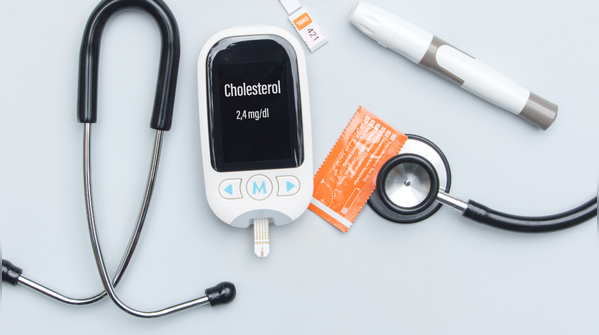
HDL is often called “good cholesterol” because it helps remove excess cholesterol from the bloodstream. But high HDL does not guarantee protection.
Lifestyle still matters.
Dr Kumar adds, “Just because you have a lot of the cholesterol, which is called HDL does not mean you are safe from problems if you do not take care of yourself. If you eat poorly are stressed or do not exercise you can still have problems with high HDL.”
In simple terms, HDL cannot undo the damage of an unhealthy routine. It works best in a body that is already being cared for.
To this Dr Neha Shah, added, “HDL protects. LDL carries risk. Both of these things are true. But read in isolation, both numbers leave too much unsaid. An HDL of 44 in someone with triglycerides of 90 is a fundamentally different body from an HDL of 44 in someone with triglycerides of 210. The HDL number is identical. The metabolic reality — and the risk — is not.
LDL adds another layer of complexity. The number on most standard reports says nothing about particle size, which is where the real story lives. Small dense LDL particles damage arterial walls. Large buoyant LDL is relatively harmless. Two patients can share the same LDL reading and carry completely different risk profiles depending on which type dominates. This distinction rarely gets discussed.”

Inflammation quietly changes everything
One of the most overlooked factors in cholesterol health is inflammation. Chronic inflammation can damage blood vessels and make cholesterol more likely to stick to artery walls.
The National Institutes of Health highlights this link in its research. The study explains how inflammation plays a central role in atherosclerosis, the process that leads to blocked arteries.
So even “normal” cholesterol levels can become risky when inflammation is high. This is why stress, poor sleep, smoking, and processed diets matter more than most people realise.
Your metabolism decides the outcome
Cholesterol itself is not the villain. The body needs it to function.
“Cholesterol is actually very important, for your body it helps make hormones and keeps your cells working. The problem starts when your bodys metabolism is not working well,” says Dr Kumar.
A healthy metabolism keeps cholesterol balanced and useful. But when metabolism slows down, due to inactivity, excess sugar intake, or weight gain, cholesterol handling changes.
The Centers for Disease Control and Prevention notes this clearly. Their data shows how metabolic conditions like obesity and diabetes often go hand in hand with unhealthy cholesterol patterns.

Ratios matter more than isolated numbers
Most reports highlight individual values: LDL, HDL, and total cholesterol. But doctors often look at ratios to understand real risk.
For example:
Total cholesterol to HDL ratio
LDL to HDL balance
These ratios give a clearer picture of how cholesterol behaves in the body. A slightly high LDL with strong HDL and good ratios may be less concerning than it looks.
This is where many people misread reports. They focus on one number and ignore the overall pattern.
Dr Shah said, “Start with triglycerides. They tell you what the liver has been quietly doing — how much excess carbohydrate has been converted into fat and released into circulation. High triglycerides are not a fat problem. They are almost always a carbohydrate and insulin problem.
Then calculate your triglyceride-to-HDL ratio — simply divide one by the other. This number will not appear on most standard report, but it is one of the most revealing calculations in metabolic medicine. Ratio of below 2 is reassuring. Above 3.5 suggests insulin resistance is likely driving the entire lipid picture, and that the LDL number is probably underrepresenting the true risk.
Finally, look at Non-HDL cholesterol — total cholesterol minus HDL. Unlike LDL alone, it captures the cholesterol burden across every dangerous particle in your bloodstream. It is the most complete risk marker already sitting on your existing report”
Lifestyle writes your cholesterol story
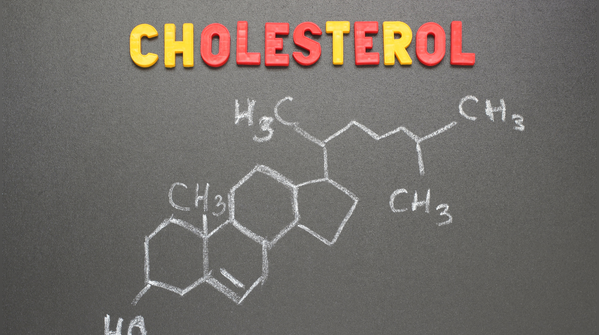
Cholesterol responds quickly to daily habits. Poor sleep, long-term stress, smoking, and ultra-processed food can shift cholesterol into a harmful pattern, even if numbers seem acceptable.
On the other hand, simple changes can improve how cholesterol functions:
Regular walking or exercise
Balanced meals with healthy fats
Stress control through routine and rest
As Dr Kumar puts it, “We should not just look at whether our cholesterol's good or bad we should look at the whole picture, including our lifestyle and what might put us at risk.”
This “whole picture” approach is where prevention begins.
Understanding beats fearing cholesterol
Cholesterol has been misunderstood for decades. It is not something to fear blindly.
“Cholesterol is not something to be afraid of it is something we need to understand and manage,” Dr Kumar says.
That shift in thinking changes everything. Instead of reacting to a single report, it encourages people to look deeper, ask better questions, and act early.

Read the story, not just the numbers
A cholesterol report is not a verdict. It is a snapshot of a much larger story.
The real insight lies in how LDL behaves, how HDL supports, how much inflammation exists, and how lifestyle shapes everything in the background.
When all these pieces are seen together, prevention becomes clearer and more effective. And that is where real heart health begins.
Medical experts consulted
This article includes expert inputs shared with TOI Health by:
Dr Diwakar Kumar, Consultant– Cardiology Unit-II, Asian Hospital.
Dr Neha Shah, Bariatric Surgeon and Co-Founder, The Good Weight.
Inputs were used to explain why understanding cholesterol goes beyond simply labeling it as ‘good’ or ‘bad’, and why relying on simplified interpretations without proper medical guidance can lead to misreading your actual heart health risk.
Featured In Health

