
- News
- Health News
- Taking calcium but still have weak bones? Why supplements alone don’t work and what you need to actually improve bone health
Taking calcium but still have weak bones? Why supplements alone don’t work and what you need to actually improve bone health

Taking calcium supplements but still facing bone issues? Here is why
Many people take calcium tablets every day and still complain of weak bones, joint pain, or early signs of bone loss. It feels confusing. After all, calcium is supposed to be the backbone of bone health.
But bones do not work like a storage box where you simply add calcium and expect strength. They behave more like a living system. They need balance, signals, and the right environment to grow and stay strong.
That is where most people go wrong.

Calcium is just one piece of the puzzle
Bones are made of calcium, but they are not built by calcium alone. They depend on a network of nutrients, hormones, and daily habits.
Dr Yogesh K explains it simply, “Calcium supplements may not be enough for your bones, even if you are taking them regularly, as calcium is only a part of the whole system.”
This means even a high calcium intake can fail if the body is not prepared to use it. Think of it like having bricks but no cement or workers to build a house.
Non-survivable heatwaves: What scientists just learned about extreme temperatures and wet-bulb temperature threshold
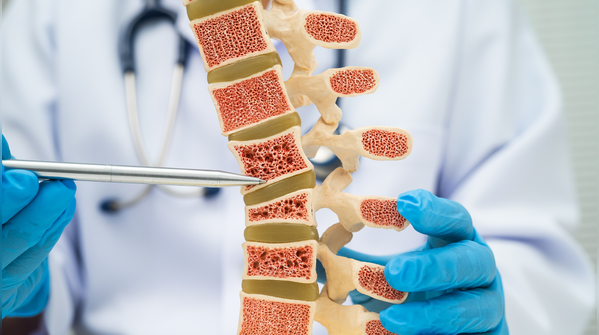
Without vitamin D, calcium goes to waste
Vitamin D is the gatekeeper. It helps the body absorb calcium from food and supplements.
Dr Yogesh K highlights this clearly, “Your body cannot use calcium effectively without adequate levels of vitamin D… in the absence of enough vitamin D, calcium absorption decreases so much that a large part of what you take in is probably wasted.”
Dr Sunil Kumar Dash adds, “Without enough vitamin D—often due to limited sun exposure or dietary gaps—most of that calcium simply passes through your system unused.”
In India, this is a bigger problem than most realise. A study by the Journal of Family Medicine and Primary Care found widespread vitamin D deficiency across urban populations.

Your body may be pulling calcium out of bones
This is the part that surprises many people. When calcium levels in blood drop, the body does not panic. It quietly pulls calcium from bones to keep vital organs working.
Dr Yogesh K explains, “When there is little calcium being absorbed, then the body will resort to getting calcium from the bones itself to ensure that the blood calcium levels remain within the normal range.”
So even if supplements are taken, poor absorption can still lead to weaker bones over time.

Missing nutrients can weaken the system
Calcium needs partners to do its job.
Dr Sunil Kumar Dash explains, “Magnesium helps convert vitamin D into its active form, while vitamin K2 directs calcium into bones instead of letting it deposit in arteries or soft tissues.”
Without magnesium and vitamin K2, calcium may not reach the bones properly. It may even settle in the wrong places, like blood vessels.
This imbalance is common in modern diets that rely heavily on processed foods but lack whole nutrients.
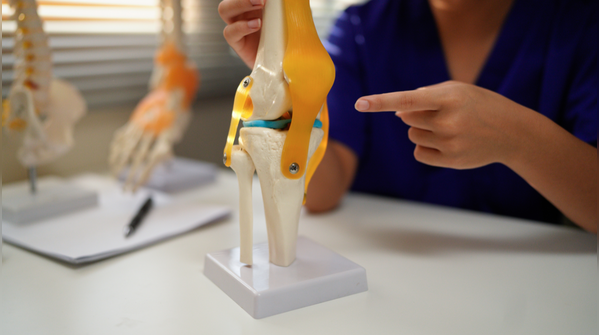
Lifestyle habits can undo your efforts
Daily habits matter more than most people think.
Dr Yogesh K points out, “Consumption of excess caffeine or salts… will affect the ability of the body to absorb and regulate calcium.”
Dr Dash adds, “High salt intake, excess caffeine, smoking, and lack of physical activity can all weaken bones.”
A sedentary lifestyle is especially harmful. Bones respond to movement. When they are not used, they slowly lose density.
A report by the Ministry of Health and Family Welfare also stresses physical activity as a key factor in preventing osteoporosis.

Age, hormones, and hidden health issues
Bone health changes with age, especially in women.
Dr Dash explains, “Women, especially after menopause, experience a drop in estrogen, which accelerates bone loss.”
Dr Yogesh K also notes that conditions like bowel diseases or kidney disorders can block nutrient absorption. Even certain medicines can interfere with calcium and vitamin D balance.
This means supplements alone cannot fix deeper health issues.

What actually improves bone health
Improving bone health requires a combined approach.
Dr Dash sums it up well, “What this really means is that bone health is a combination of nutrients, lifestyle, and overall body balance—not just a single tablet.”
Here is what truly helps:
Regular sunlight exposure for 15-30 minutes
Balanced intake of calcium, vitamin D, magnesium, and vitamin K2
Weight-bearing exercises like walking, yoga, or strength training
Limiting caffeine, salt, and smoking
Getting vitamin levels tested when symptoms persist
Even a simple habit like a daily morning walk can slowly rebuild bone strength over time.

It’s not about more calcium, it’s about better balance
Weak bones despite supplements are not a failure of effort. They are a sign that the body needs a more complete approach.
Calcium matters. But it only works when supported by the right nutrients, hormones, and lifestyle habits. Fix the system, not just the supplement.
Medical experts consulted
This article includes expert inputs shared with TOI Health by:
Dr Yogesh K, Senior Consultant - Arthroscopy and Sports Injury, Aster Whitefield Hospitals.
Dr Sunil Kumar Dash, Senior Consultant & Director – Orthopaedics, Manipal Hospital Bhubaneswar.
Inputs highlight that relying only on calcium supplements may not improve bone health, and experts emphasize the need for proper nutrient balance, absorption support, and medical guidance to effectively strengthen bones.
Featured In Health

