
- News
- Health News
- Worried about ‘kitchen sponge cancer’? Expert explains the real risk and easy fixes
Worried about ‘kitchen sponge cancer’? Expert explains the real risk and easy fixes
When a household item becomes a headline
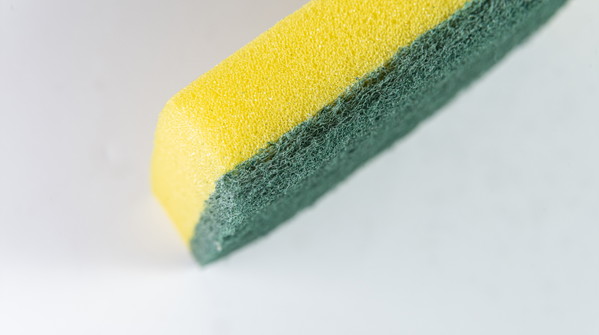
Scroll through social media today, and it won’t take long to find a worrying claim: your kitchen sponge could cause cancer. The idea spreads fast because it feels close to home. A sponge sits in every kitchen, touches plates, countertops, and sometimes even hands. But fear travels faster than facts. So, what’s actually going on here? And more importantly, should anyone be worried?
What is this “kitchen sponge cancer” claim?
The phrase itself is misleading. There is no medical condition called “kitchen sponge cancer.” It’s a viral phrase, not a scientific diagnosis.
What people are reacting to is research showing that kitchen sponges can carry a large number of bacteria. Study published in the NIH have found that sponges, especially damp ones, can host millions of microbes. That sounds alarming, but it doesn’t automatically translate to cancer risk.
The confusion begins when people connect “bacteria” with “disease,” and then stretch that idea to cancer. But cancer is not caused by everyday bacteria on surfaces. It develops due to complex factors like genetics, long-term exposure to certain chemicals, infections from specific viruses, and lifestyle habits.
What the doctor actually says
Dr Abhijit Kotabagi, senior consultant in surgical oncology, puts the concern into perspective, “The idea that a simple kitchen sponge could be linked to cancer sounds alarming, but it’s important to separate myth from science. Sponges are known to harbor bacteria due to their moist and porous nature, especially if not cleaned or replaced regularly. However, there is no direct scientific evidence proving that kitchen sponges cause cancer. The real concern lies in the risk of infections from harmful microbes that can contaminate food and surfaces.”
His explanation shifts the focus from fear to fact. The sponge is not the villain people think it is, but it is also not entirely harmless if neglected.
What science and public health agencies say
This does highlight one important point: kitchen hygiene matters.
These are real risks, but they are about infections, not cancer. There is a clear line between the two, and current evidence does not connect kitchen sponges to cancer development.
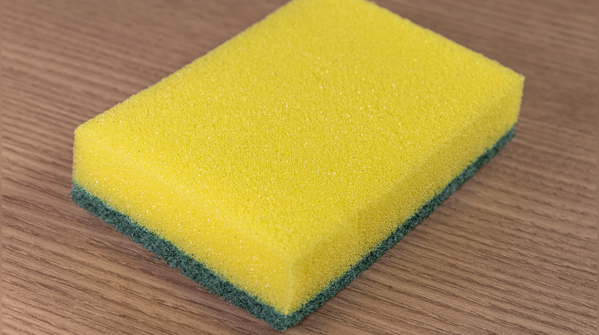
So, what’s the real risk then?
The actual issue is simpler and more practical. A neglected sponge can:
Transfer bacteria to dishes and food
Increase chances of stomach infections
Contribute to food poisoning if hygiene is poor
That’s it. It doesn’t silently trigger cancer. It doesn’t build long-term carcinogenic effects in the body. It simply becomes a hygiene problem if ignored.
Dr Kotabagi puts it plainly, “Public awareness often amplifies fear, but informed habits are far more powerful than panic. Instead of worrying about unlikely cancer links, we should focus on safe food practices and cleanliness in our daily routines.”
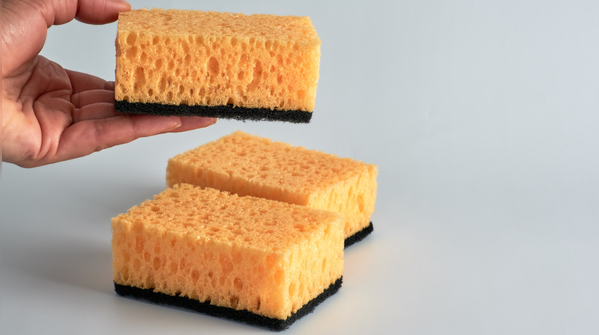
Small habits that make a big difference
The good news is that this is one of the easiest health risks to control. No expensive tools, no complicated routines.
A few small habits can make a visible difference:
Replace kitchen sponges every 1-2 weeks
Let them dry completely after each use
Disinfect them using hot water or microwave heating (if safe to do so)
Avoid using the same sponge for dishes and spills
These steps don’t just reduce bacteria. They restore a sense of control in a space where most people spend a lot of time.
Why viral fear spreads faster than facts
There is a pattern to how such claims go viral. They often combine three things: a common object, a serious disease, and a sense of hidden danger.
That combination makes people stop and share. But it also blurs the line between caution and panic.
The bottom line
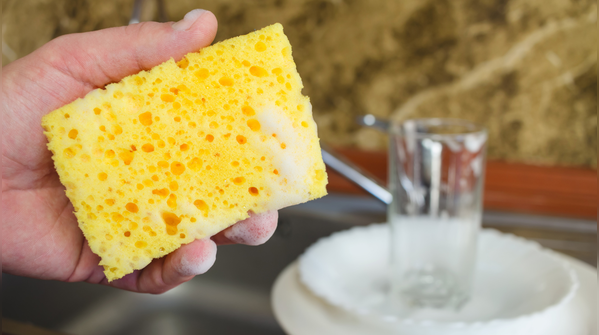
A kitchen sponge is not a cancer-causing object. It is a hygiene tool that needs basic care.
The real takeaway is not fear, but awareness. Clean habits protect more effectively than viral warnings ever can.
Medical experts consulted
This article includes expert inputs shared with TOI Health by:
Dr Abhijit Kotabagi, senior consultant of Department Surgical Oncology at Yatharth Super speciality Hospital, Omega-1, Greater Noida.
Inputs were used to explain the real risks linked to kitchen sponge hygiene and the simple steps people can take to prevent infections and maintain a safe kitchen environment.
Featured In Health

