
- News
- Health News
- Think your liver is safe because you don’t drink? These daily habits could be harming it, and how to protect it starting today
Think your liver is safe because you don’t drink? These daily habits could be harming it, and how to protect it starting today
When just being “healthy” isn’t enough for the liver
Many people believe liver problems only happen to those who drink heavily. But clinics today are seeing a different pattern. People who don’t smoke, don’t drink, and even eat what they consider a “normal” diet are being told they have fatty liver.
It feels confusing. If nothing seems wrong on the surface, why is the liver under strain?
The answer lies in the quiet, everyday habits that rarely get questioned. The kind that feel harmless but slowly add pressure on one of the body’s most important organs.
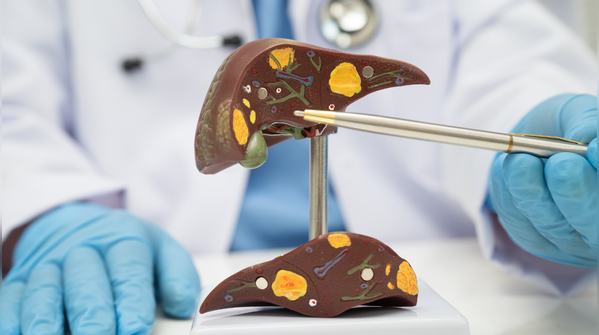
The rise of fatty liver without alcohol
Doctors are calling it one of the fastest-growing lifestyle conditions: non-alcoholic fatty liver disease (NAFLD). It happens when fat builds up in the liver, even without alcohol intake.
A large-scale study published in Science Direct highlights how common this has become in urban India. The findings show that fatty liver is now closely linked to modern lifestyle patterns rather than alcohol alone.
As Dr Amrapali Patil explains, “It is a common misconception that liver disease occurs only due to alcohol consumption. While alcohol remains a significant etiological factor, several non alcohol related conditions can also adversely affect hepatic function.”
This shift matters because it changes who needs to pay attention. It is no longer just about drinking habits. It is about daily living.
The “normal diet” that isn’t really normal
Many people say they eat home food, so their diet must be fine. But small changes over time have altered what “normal” looks like.
Refined flour, hidden sugars, packaged snacks, and frequent ordering-in quietly increase fat storage in the liver. Even foods marketed as “healthy” can be high in sugar or unhealthy fats.
The liver processes everything that enters the body. When it gets overloaded, it starts storing excess fat instead of breaking it down. This is where things begin to change internally, even if weight and appearance stay the same.
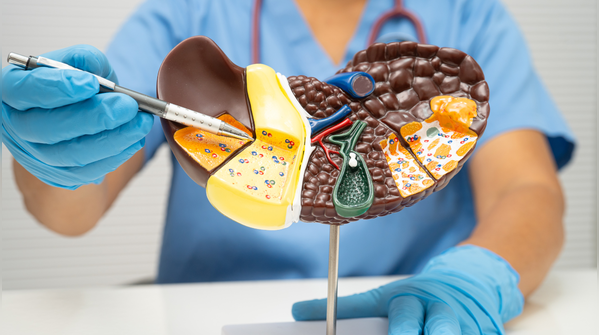
Sedentary routines and metabolic strain
A body that moves less burns less. That simple shift has a direct impact on liver health. Long hours at a desk, minimal walking, and poor sleep patterns disturb metabolism. Over time, this leads to insulin resistance, a key driver of fatty liver.
According to the World Health Organization, physical inactivity is one of the leading risk factors for metabolic diseases globally.
Dr Patil notes, “A notable and increasingly prevalent condition is Non - alcoholic fatty liver disease, characterized by hepatic fat accumulation in the absence of significant alcohol intake.”
The liver is deeply connected to how the body handles sugar and fat. When that balance is disturbed, the liver takes the hit.
Hidden triggers people rarely notice
Some causes are less obvious and often ignored. Long-term use of certain medications, crash dieting, and irregular eating patterns can all stress the liver. Even rapid weight loss, often seen as a positive change, can overwhelm the organ.
Dr Patil explains, “Other contributory factors to hepatic stress include prolonged use of certain medications, hepatotropic viral infections, rapid weight loss, disordered eating patterns, and excessive intake of processed and high fat foods.”
These are not extreme habits. They are everyday realities for many people trying to “fix” their health quickly.

Why symptoms are easy to miss
The liver does not complain loudly in the early stages. That is what makes this condition risky. People may feel slightly tired, bloated, or just “off,” but nothing alarming enough to seek help.
Dr Patil highlights this clearly, “Clinically, patients may remain asymptomatic in early stages. When present, symptoms are often non-specific, including fatigue, malaise, and vague abdominal discomfort.”
By the time symptoms become obvious, the damage may have already progressed.
What should be avoided, realistically
Avoiding liver strain is not about extreme diets or sudden lifestyle changes. It is about removing silent stressors. Highly processed foods, sugary drinks, frequent late-night meals, and unnecessary supplements all add load to the liver. So does constant snacking without giving the body time to process nutrients.
Skipping meals and then overeating later creates another cycle of stress. The goal is not perfection. It is consistency and awareness.
What actually helps protect your liver
The liver responds well to simple, steady changes. Regular movement, even brisk walking for 30 minutes a day, improves how the body handles fat. Balanced meals with whole foods reduce unnecessary load. Proper sleep supports metabolic recovery.
Dr Patil sums it up well, “Management is primarily preventive and lifestyle oriented, focusing on dietary modification, regular physical activity, weight optimization, and judicious use of medications under medical supervision.”
A routine that feels sustainable works better than one that feels strict.
What we need to know?
There is a quiet truth about health that often gets ignored. The body does not need extreme habits to stay well. It needs stable ones.
Medical experts consulted
This article includes expert inputs shared with TOI Health by:
Dr Amrapali Patil, MBBS, MD, MBA, Diet & Nutrition Consultant | Yoga Therapist | Licensed Acupuncturist | Obesity Consultant.
Inputs were used to explain how everyday lifestyle habits, beyond alcohol, can quietly strain the liver and why being mindful of these patterns is essential to protect long-term health.
Featured In Health

