
- News
- Health News
- Cervical cancer accounts for up to 29% of cancers in India: Doctor shares why the pap test matters
Cervical cancer accounts for up to 29% of cancers in India: Doctor shares why the pap test matters
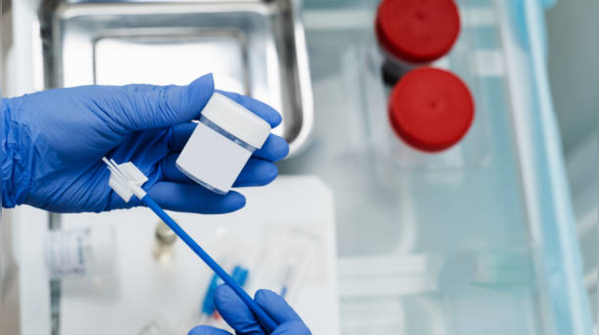
Cervical cancer accounts for up to 29% of all cancers in India
“There is increased stress on screening for cancers. If there is one medical entity where early detection truly saves lives, it is in screening for cancers. Cervical cancer now stands as the second most common cancer in India and accounts for 6-29% of all cancers in India. Cervical cancer however is one of the few cancers in the body that has a sound screening test which is easily reproducible, cost effective and has good sensitivity and specificity rates,” says Dr. Sahana K P, Consultant Obstetrics & Gynecology & Reproductive Medicine, Apollo Hospitals, Sheshadripuram, Bengaluru.

PAP test identifies early lesions and prevents cervical cancer
“70- 80 % of cervical cancer cases have their origin in HPV infections, especially with the high risk strains. If a patient gets infected with a high-risk strain of HPV, most of the time she may remain asymptomatic for years together but may manifest with cervical cancer or a precancerous lesion many years later,” says Dr. Sahana K P. “Hence protecting oneself from HPV infection and diagnosing early lesions with PAP test forms the cornerstone in prevention of cervical cancer.”
The Papnicolaou test- popularly called the PAP test has its origin in the 1940s when Dr. Papnicolaou first discovered that by obtaining cells from the cervix and examining under the microscope cancerous changes in the cells could be diagnosed at an early stage. This gave us a window to treat pre-cancerous and early-stage cervical cancer with minimal and good interventions and hence ensure good cure rates for cervical cancer. During the 1980s this method received more popularity when newer cytology techniques were devised that combined HPV DNA testing along with cell cytology study in a single test.
The doctor has shared facts about the test, how it is done and why it is important. Dr. Sahana has also debunked common myths that stop women from taking this test.
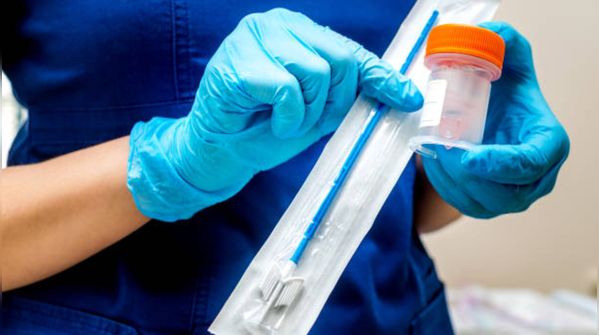
Method
There are 2 ways to do a PAP smear- the first is the conventional method that includes taking cell scrapings from the endocervix and the posterior vaginal wall , places them on a slide and fix it with a fixative, and the second called LBC- Liquid based cytology where the cells taken with a specific cytobrush are placed in liquid based media and sent to the lab for analysis. LBC is a superior technique as it also helps to know the presence and load of HPV DNA in the same sample. This is necessary as it helps the doctor to treat you for the infection and reassess after a few weeks.

Myths
The most common misconception in women today is the assumption that if they’re asymptomatic or if they do not have risk factors then they do not have to undergo a PAP smear. However, PAP smear is a fundamental screening test- which means that it is done for the vast majority of women in the general population who are asymptomatic- in order to identify those who may have precancerous changes in the cervix and offer early diagnosis and treatment. The ideal age to start getting PAP smears is at the onset of sexual activity. Most guidelines recommend that screening starts by the age of 21 yrs and if found negative , can be repeated every 3 years until the age of 30yrs. Between 30 and 65 yrs , a PAP test every 3 years or PAP test + high risk HPV DNA testing is recommended every 5 years until the age of 65yrs. Beyond the age of 65, it is wise to discuss with your gynaecologist regarding frequency of repeating the test- once in 3 or 5 years.

How is it done?
This test involves a basic examination of the pelvis using speculums and the gynecologist takes cells from the cervix and processes it based on conventional or LBC technique. It is then sent to the lab for analysis and interpretation by the pathologist. Common points to note while scheduling a PAP smear is that you don’t use a tampon or menstrual cup on the day of the test. It is preferred to avoid scheduling the test while you are on your period. Also, it is advisable to avoid using douches and menstrual products for up to 2 days before the test.
Once the PAP test is done, results may appear as Positive or negative. Contrary to popular connotation, Screen Positive does not equate to a reassuring result. In reality Screen positive means that there are abnormal cells in the smear that require further evaluation with colposcopy or biopsy as indicated. Screen negative means that the smear does not show any abnormal cells – hence reassuring to the patient so that they may repeat the test after 3- 5 years.

Bottomline
To summarise, if there is one test you want to give yourself this year, it may be this simple, effective and lifesaving PAP test. In today’s day and age where the burden of cancer is looming large this simple test can reduce the risk of getting cervical cancer by a whopping 83%. So, if you have never done one, it's time you head out to your nearest well woman clinic and get a PAP done. It proves that you prioritize your long term health and well being and believe that the peace of mind obtained by a negative screening report brings unmatched happiness and a rather great sense of calm and reassurance.
Featured In Health

