
- News
- Health News
- Cancer before 50? Why doctors are concerned about the rise in early-onset cases
Cancer before 50? Why doctors are concerned about the rise in early-onset cases

Why young adults are getting cancer
For decades, cancer was largely seen as a disease that affected people later in life. A diagnosis in the 60s or 70s was considered common, while younger adults were thought to be relatively protected. That assumption is beginning to change.
Across several countries, researchers are observing a worrying trend: more people under the age of 50 are being diagnosed with cancers that were once considered diseases of older age. These include colorectal cancer, breast cancer, stomach cancer, pancreatic cancer, kidney cancer, and certain blood cancers. Scientists are still working to understand exactly why this is happening, but the rise has been significant enough to spark global research efforts. According to the US National Cancer Institute's Early-Onset Cancer Initiative, cancers traditionally seen in older adults are increasingly being diagnosed in younger populations.
We spoke to Dr Anindya Mukherjee, Senior Consultant – Medical Oncology, ShardaCare–Healthcity, who pointed out, "Cancer is not a disease of old age." That statement reflects a reality that doctors are encountering more frequently in clinics today.

What exactly are early-onset cancers?
Early-onset cancers refer to cancers diagnosed in people younger than 50 years of age. While cancer in younger adults is still less common than in older adults, the increase has become impossible to ignore.
A major study conducted by researchers at the US National Institutes of Health found that between 2010 and 2019, the incidence of 14 different cancer types increased among people under 50. Breast cancer, colorectal cancer, uterine cancer, kidney cancer, and pancreatic cancer were among those showing rising numbers.
Researchers are especially concerned because younger patients are often in the middle of building careers, raising families, or planning their futures. A cancer diagnosis at this stage can affect not only physical health but also mental wellbeing, finances, relationships, and long-term quality of life.
The trend is not limited to one country. Studies from different regions of the world have reported similar patterns, suggesting that broader lifestyle and environmental changes may be contributing factors.

Why are more young adults developing cancer?
This is the question scientists are racing to answer.
Dr Mukherjee explained, "The exact cause is still under investigation, but it is thought that lifestyle, diet, environment and overall health patterns may be playing a role in this."
Modern life has changed dramatically over the last few decades. People are spending more time sitting, sleeping less, eating more ultra-processed foods, and dealing with chronic stress. Rates of obesity have also increased worldwide.
"One of the most important factors being researched is the effect of modern lifestyles," said Dr Mukherjee. "Obesity, sedentary lifestyles, eating too many processed foods, poor sleep patterns and chronic stress have been increasing. All these factors can add to inflammation in the body and impact cells' growth and repair."
Researchers are also exploring how environmental exposures may influence cancer risk. Air pollution, chemical contaminants, alcohol consumption, tobacco use, and long-term dietary habits are all under scrutiny. Some studies are examining whether changes in the gut microbiome, the trillions of microorganisms living in the digestive system, may be linked to rising cancer rates among younger adults. However, scientists caution that more evidence is needed before drawing firm conclusions.
One striking theory is known as the "birth cohort effect." It suggests that each newer generation may be exposed to certain risk factors earlier in life than previous generations, potentially increasing cancer risk later on.
Who is most at risk?
There is no single profile of a person who develops early-onset cancer.
Some cases occur in individuals with inherited genetic risks. Others develop cancer despite having no family history at all.
Research suggests that people may face higher risks if they:
Have obesity or are overweight
Live a physically inactive lifestyle
Smoke or use tobacco products
Consume excessive alcohol
Eat diets high in ultra-processed foods
Have a strong family history of certain cancers
Live with chronic inflammation-related conditions
Certain cancers appear to be increasing more rapidly than others. Colorectal cancer has become one of the biggest concerns.
Yet experts stress that risk factors tell only part of the story. Many younger patients diagnosed with cancer do not fit traditional risk categories, which is why ongoing research remains so important.

The biggest challenge: Young people often don't suspect cancer
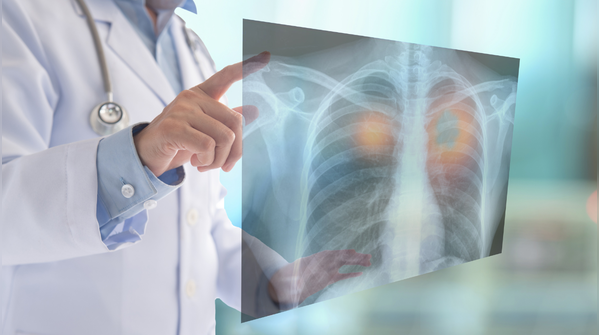
Perhaps the most troubling aspect of early-onset cancers is that they are often diagnosed later.
Many younger adults dismiss symptoms because cancer simply does not seem likely. Persistent stomach problems may be blamed on stress. Fatigue may be attributed to work pressure. Changes in bowel habits might be ignored for months.
Dr Mukherjee warned, "Often people think that they are 'too young' to get cancer and so it is not diagnosed until a later stage."
He advises that warning signs should never be ignored, regardless of age.
"Unexplained weight loss, persistent fatigue, bowel changes, abnormal bleeding, long-term pain or lumps should always be evaluated. Early medical advice can be helpful because cancers identified at an early stage are more likely to be treated successfully and have a better prognosis."
This message is increasingly important because survival rates improve dramatically when many cancers are detected early.
Can early-onset cancers be prevented?
Not every cancer can be prevented. Genetics, age, and certain biological factors are beyond individual control.
However, experts agree that many cancer risks can be reduced through healthier habits.
Dr Mukherjee recommends:
Maintaining a healthy body weight
Exercising regularly
Eating a balanced diet rich in fruits and vegetables
Avoiding tobacco products
Limiting alcohol intake
Managing stress effectively
Prioritising quality sleep
Seeking medical attention for persistent symptoms
Awareness may be one of the most powerful tools available today.
The growing number of cancer diagnoses among younger adults serves as a reminder that age alone cannot be relied upon as a measure of risk. Researchers continue to search for answers, but one lesson is already clear: paying attention to the body's warning signs and embracing preventive healthcare may save lives.
As Dr Mukherjee concluded, "The increased incidence of early onset cancers is another reminder that cancer does not always obey the rules of age."

Medical experts consulted
This article includes expert inputs shared with TOI Health by:
Dr Anindya Mukherjee, Senior Consultant – Medical Oncology, ShardaCare–Healthcity.
Inputs were used to explain the growing incidence of early-onset cancers, the factors researchers believe may be driving the trend among younger adults, the warning signs that should not be ignored, and the importance of early detection and preventive lifestyle measures.
Featured In Health

