
- News
- Health News
- India ranks third globally in cancer cases, and over 50% of the cases could be prevented: Doctor reveals the lifestyle changes that matter
India ranks third globally in cancer cases, and over 50% of the cases could be prevented: Doctor reveals the lifestyle changes that matter
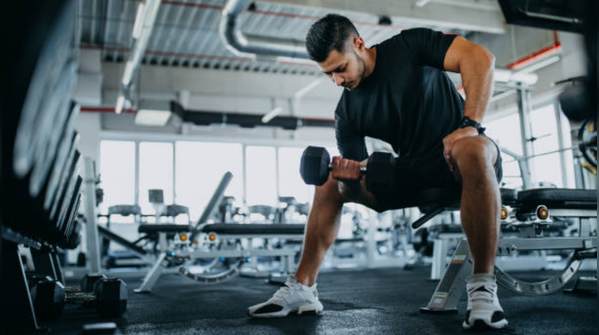
Cancer burden is increasing in India
Cancer is a growing health challenge in India, with around 15 lakh new cases reported each year and the number expected to keep rising in the coming decades. India now ranks third in the world for cancer cases, after China and the US. A big part of this burden comes from things we can do something about. Experts estimate that around 40–60 % of cancers in India are preventable through lifestyle changes, awareness, and vaccination. Tobacco use and betel nut are major contributors, and in 2020, about 2.25 lakh cancer deaths in India were linked to avoidable risk factors like tobacco, alcohol, obesity, and HPV infection.

Habits that don’t look harmful can increase cancer risk
“Cancer is often perceived as a sudden illness, but in reality, many cancers develop silently over years. What makes this concerning is that some everyday lifestyle habits, ones that don’t feel harmful in the moment, can gradually increase cancer risk without obvious warning signs. Awareness is the first step toward prevention,” Dr Rajesh Kumar Jain, Principal Director - Surgical Oncology, BLK-Max Super Speciality Hospital told TOI Health. The doctor lists common risk factors that seem harmless but increase cancer risk.
Relying on HbA1c alone could delay and mislead diabetes diagnosis, warns new India-focused study
Endocrinologist shares a simple morning routine to keep blood sugar stable before breakfast
35% of under-5 kids are stunted in India: Doctor explains what’s failing
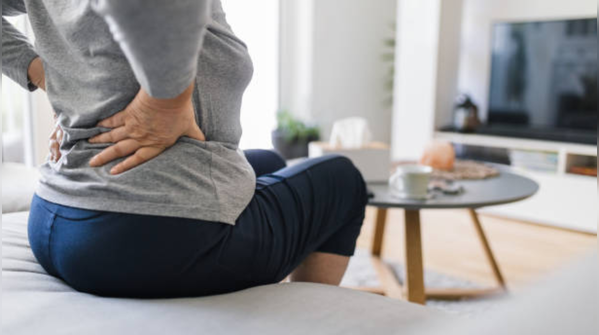
Sitting for long hours
One such habit is prolonged sedentary behaviour. Long hours of sitting, especially combined with minimal physical activity, can lead to obesity, insulin resistance, and chronic inflammation, factors strongly linked to cancers of the breast, colon, uterus, and pancreas. Similarly, irregular sleep patterns and chronic stress disturb hormonal balance and immune surveillance, subtly weakening the body’s ability to detect and destroy abnormal cells early.

“Healthy” alcohol consumption
Another underestimated hazard is the consumption of alcohol. Many individuals have the impression that drinking socially or at times only as an easy part of life is not harmful to them, but studies show consistently that there is no safe level of alcohol that will prevent you from developing cancer. Research has shown even at low levels of alcohol consumption can increase risk for some cancers, including breast, liver, oral cavity, throat, and oesophagus; therefore, anything more than nothing is dangerous. Alcohol breaks down into acetaldehyde (a toxic substance) which can interact with the DNA in our bodies and prevent proper cellular repair from taking place.
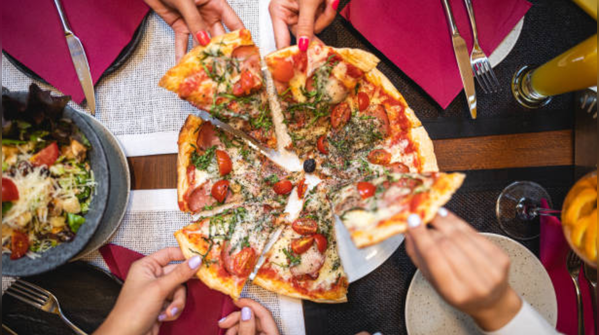
Unhealthy diet habits
Your dietary habits will also relate significantly. Many of the ultra-processed (highly processed) foods like packaged snacks, highly processed meat products (bacon, hot dogs), sugar-sweetened drinks, and heat-processed, vacuum-packed foods (ready-to-eat meals) are often extremely high in refined or added sugars and unhealthy fats, preservatives, and additives; these kinds of foods lead to obesity, chronic inflammation and imbalance in your gut microbiome, all of which have been shown to increase your risk of developing cancer. Natural home cooked meals made from whole grains, vegetables, fruits, legumes, and healthy fats supply nutrients, antioxidants, and fibre that help reduce inflammation and maintain a healthy cellular environment.
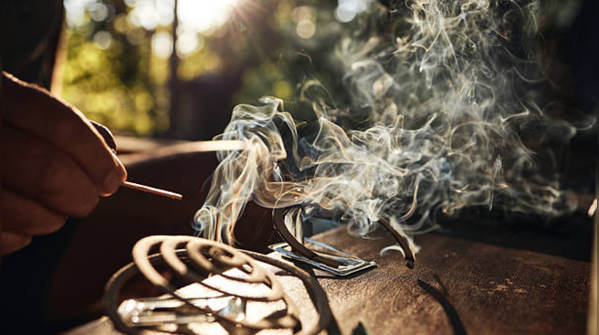
Exposure to carcinogenic products indoors
Home environmental exposures are a neglected problem. Daily exposure to carcinogenic particles in indoor air pollution due to improper ventilation, cooking fumes, burning of incense and mosquito coils, and tobacco smoke can result in an increased risk for lung and upper respiratory tract cancers over time, particularly among people living in poorly ventilated urban homes.
Gender roles
Due to gender differences, there are varying lifestyle risks associated with certain behaviours. For women, alcohol consumption and obesity are more likely correlated with the development of breast cancer than they would be in men, while men tend to have a much higher prevalence for smoking and work-related exposures that increase their risk of developing certain types of cancer. In addition to these societal factors, hormone levels and body fat distribution also affect the ways in which women and men develop cancers.

One habit you would recommend people to stop following today to minimize their risk
If I had to choose one habit that I would change starting now, it would be to stop using tobacco and limit my use of alcohol as much as possible. Tobacco continues to be the largest preventable cause of cancer today, and alcohol increases the chance of the risk. These two behaviours will provide the greatest reduction in the risk of developing cancer and may create the impetus for other positive changes to diet, exercise, and environment.
Featured In Health

