
Silent dehydration: 7 signs you might not be drinking enough water

What are the silent signs of dehydration
Water rarely makes headlines, yet it quietly keeps every cell alive. About 60 percent of the adult human body is made of water. Even mild fluid loss can affect mood, memory, skin, and digestion. The problem is that thirst is not always an early warning sign. By the time the mouth feels dry, the body may already be short on fluids.
Government health bodies such as the World Health Organization note that adequate hydration is essential for temperature control, circulation, and organ function. The Centers for Disease Control and Prevention also warns that dehydration can happen faster in hot weather, during illness, or after physical activity.
Silent dehydration does not always look dramatic. It often whispers through small, daily discomforts. Here are seven signs that deserve attention.

Persistent fatigue that sleep does not fix
Feeling tired despite sleeping well can signal low fluid levels. Blood volume drops when the body lacks water. As a result, the heart works harder to pump oxygen and nutrients.
A study supported by the National Institutes of Health found that even mild dehydration can increase fatigue and reduce alertness. The brain is about 75 percent water. When fluid levels dip, concentration suffers.
If afternoon exhaustion feels heavier than usual, water intake may be part of the puzzle.

Headaches that creep in slowly
A dull, pressing headache can be one of the earliest warning signs. When the body loses fluids, brain tissue can temporarily shrink from fluid loss. This creates pressure changes that may trigger pain.
Research published in medical journals and supported by global health agencies shows that rehydration often eases dehydration-related headaches.
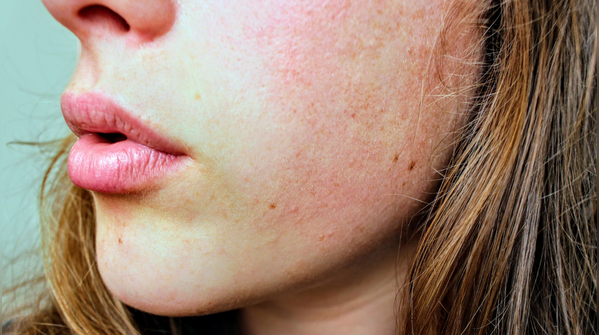
Dry skin that feels tight, not just rough
Skin is the largest organ of the body. When hydration drops, skin may appear dull or less elastic. It can feel tight after washing and may show fine lines more clearly.
According to dermatology insights cited by a research paper, hydration plays a role in maintaining skin barrier function. Moisturiser helps from the outside, but water intake supports from within.
A simple test: gently pinch the skin on the back of the hand. If it takes longer than usual to return to normal, dehydration could be present.
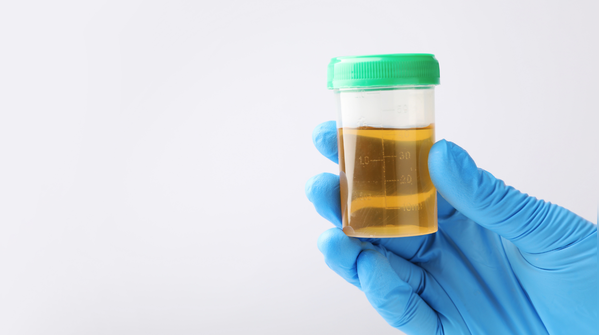
Dark yellow urine with strong odour
Urine colour tells a quiet story. Pale straw-coloured urine often reflects adequate hydration. Dark yellow or amber tones may signal the need for more fluids.
The Centers for Disease Control and Prevention explains that infrequent urination or strong-smelling urine can be linked to dehydration. The kidneys conserve water when intake drops, concentrating waste more heavily.
This sign is simple but often ignored during busy days.
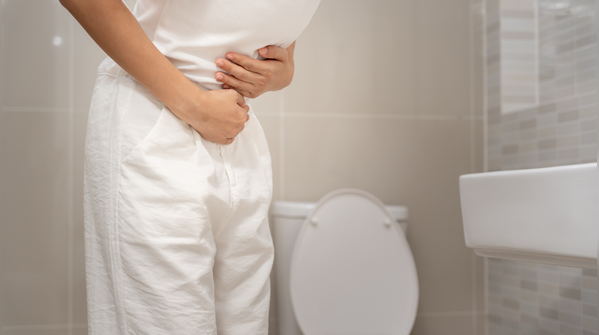
Constipation and sluggish digestion
Water keeps digestion moving. The colon absorbs water from waste. When there is not enough fluid in the body, stools become harder and more difficult to pass.
Public health guidance from the National Institute of Diabetes and Digestive and Kidney Diseases highlights hydration as a key part of preventing constipation. Fibre works best when paired with adequate fluids.
If digestion slows down despite a balanced diet, fluid intake deserves review.

Sudden sugar cravings
Craving sweets may not always mean hunger. The liver uses water to release stored glucose for energy. When hydration drops, this process can slow down. Fatigue follows, and the brain may interpret it as a need for sugar.
Drinking water before reaching for a snack can sometimes reduce that urgent craving. It is a small step that often brings surprising clarity.
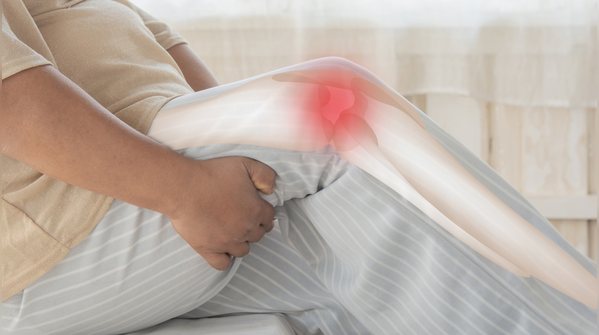
Muscle cramps and dizziness
Electrolytes such as sodium and potassium depend on fluid balance. Without enough water, muscles may cramp more easily. Standing up quickly may cause lightheadedness.
The World Health Organization notes that fluid balance is crucial for maintaining blood pressure and muscle function. In hot climates or after exercise, dehydration risk increases sharply.
If cramps appear without intense activity, hydration should be checked first.

How much water is enough?
Needs vary by age, climate, and activity. Many health authorities suggest around 2 to 3 litres of fluids per day for adults, including water from food. However, individual needs differ.
Clear signals matter more than fixed numbers. Regular urination, light-coloured urine, and steady energy often indicate adequate hydration.
Water does not promise dramatic transformation. It works quietly. It keeps joints cushioned, skin supple, digestion smooth, and the mind alert.
The body rarely demands attention loudly at first. It whispers through fatigue, dryness, and subtle discomfort. Listening early can prevent larger health issues later.
Featured In etimes

