
Garlic oil or garlic juice: Which one is better to stop hair fall?

Garlic oil or garlic juice: Which one actually works better for hair fall?
Hair fall is one of those problems almost everyone in India has dealt with at some point. Sometimes it’s the weather. Sometimes it’s stress, hard water, pollution, poor sleep, crash diets, hormones—or honestly, all of them together. And when shampoos and expensive serums don’t seem to help fast enough, most people eventually turn to home remedies.
That’s where garlic enters the chat.
Yes, the same garlic sitting in your kitchen tadka box.
For years, people have been using garlic for hair growth remedies, especially in Indian households where DIY hair masks and oils are practically a tradition. But there’s always one big question: should you use garlic oil or garlic juice for hair fall?
The short answer? Both can help - but they work differently, and one may suit your scalp better than the other.
Let’s break it down properly.
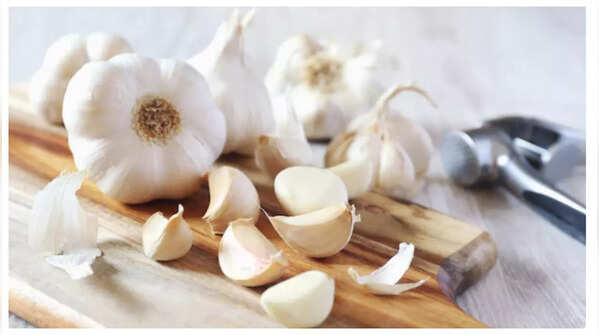
First, why is garlic even used for hair?
Before the smell scares you away, garlic actually contains compounds that are believed to support scalp health. It’s rich in sulphur, along with selenium and antioxidants, which are often linked to stronger hair roots and healthier hair growth.
Many people also believe garlic helps improve blood circulation on the scalp. And a healthy scalp usually means healthier hair growth over time.
Of course, garlic alone is not some magical overnight cure. If your hair fall is happening because of thyroid issues, severe nutritional deficiencies, hormonal imbalance, or medical conditions, you’ll still need proper treatment. But as a supportive home remedy? Garlic has become surprisingly popular.

Garlic juice: strong, direct, and honestly… intense
Garlic juice is exactly what it sounds like - fresh garlic cloves crushed or blended to extract the liquid.
And this version is powerful.
Because it’s concentrated, many people use it directly on patchy hair loss areas or thinning spots. It reaches the scalp quickly and gives that “strong treatment” feeling immediately.
But there’s a catch. Actually, several catches.
Garlic juice can irritate the scalp if used carelessly. Some people experience redness, itching, burning, or dryness—especially if they already have sensitive skin. And let’s not ignore the obvious issue: the smell stays around longer than you’d hope.
A lot of people online swear by applying diluted garlic juice once or twice a week before shampooing. Some mix it with aloe vera or onion juice to make it less harsh.
Still, this is the more aggressive option of the two. Think of it like the kadak chai version of hair remedies.
Best for:
Small thinning areas
Patchy hair fall
Oily scalps that can handle stronger treatments
Not ideal for:
Sensitive scalp
Dry or flaky scalp
People prone to irritation

Garlic oil: gentler and easier to live with
Garlic oil is usually made by infusing garlic cloves into oils like coconut, olive, or castor oil. This softens the intensity of raw garlic while still carrying some of its benefits.
And honestly? For most people, garlic oil is the easier option.
It feels more nourishing, especially for Indian hair routines where champi culture already exists. Massaging warm garlic oil into the scalp can feel relaxing rather than harsh, and it’s less likely to irritate your skin.
The oil also adds moisture, which matters because hair fall often gets worse when the scalp becomes dry and unhealthy.
Another advantage? You can leave it on longer without your scalp feeling attacked.
Of course, garlic oil works more slowly compared to fresh juice. Results, if any, usually take consistency and patience. This isn’t a “two uses and miracle growth” situation.
Best for:
Dry hair
Frizzy hair
Mild hair fall
Regular scalp massage routines
Not ideal for:
People wanting very quick or targeted treatment

So… which one is actually better?
Honestly, for most people, garlic oil is the safer and more practical choice.
Here’s why.
Hair fall remedies only work if you can stick to them consistently. And most people are far more likely to continue using garlic oil than raw garlic juice that burns their scalp and makes the bathroom smell like garlic naan.
Garlic oil fits more naturally into Indian haircare habits. You oil your hair, leave it for an hour, shampoo, done. It feels manageable.
Garlic juice may work faster for some people, especially on small bald patches or sudden thinning, but it also comes with higher chances of irritation.
So unless you’re specifically targeting a patchy area and know your scalp can tolerate it, garlic oil usually makes more sense.

A simple way to use garlic oil at home
If you want to try it yourself, here’s an easy homemade version.
You’ll need:
5–6 garlic cloves
Half a cup coconut oil
Optional: a little castor oil
Method:
Crush the garlic lightly
Heat it gently in coconut oil for a few minutes
Don’t burn the garlic
Let the oil cool completely
Strain and store in a clean bottle
Massage it into your scalp once or twice a week and wash it off after an hour or two.
And please - always do a patch test first. Garlic is natural, yes, but natural doesn’t automatically mean irritation-free.

A few things people forget about hair fall
This is important. No oil or juice can completely fix hair fall if your body is exhausted from within. In India especially, a lot of hair fall comes from things like:
low iron levels
crash dieting
stress
lack of sleep
vitamin deficiencies
hormonal issues
hard water
Sometimes people spend months trying DIY remedies when what they really need is better nutrition or medical advice.
So think of garlic as support—not magic.

Which one to choose?
If you’re choosing between garlic oil and garlic juice, garlic oil is probably the better pick for everyday use. It’s gentler, easier to manage, and works well as part of a regular haircare routine.
Garlic juice is stronger and may help some people faster, but it’s also riskier for sensitive scalps.
At the end of the day, consistency matters more than intensity. One calm, regular routine usually works better than trying ten aggressive hacks from the internet.
And honestly, when it comes to hair fall, patience is probably the hardest ingredient of all. (Image Credits: Pinterest)
Featured In lifestyle

MORE FROM ETIMES
life & style