
From Tomatoes to Beetroot: 7 red foods that protect our heart every day
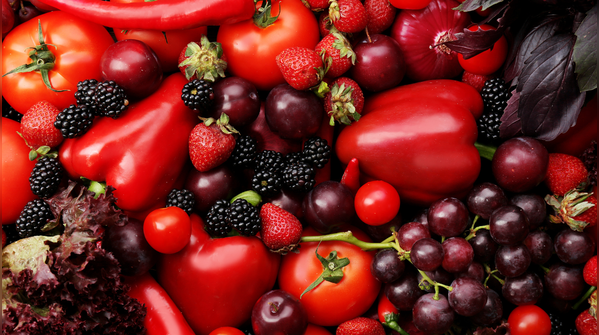
Red veggies and fruits for heart health
A plate filled with colour often carries more than visual appeal. It holds quiet protection. Among these colours, red stands out, not just for its brightness, but for what it does inside the body. Red fruits and vegetables are rich in compounds like lycopene, anthocyanins, and flavonoids. These are not fancy words for a label; they are active compounds that help reduce inflammation, support blood vessels, and improve cholesterol balance.
A report by the US National Institutes of Health highlights how diets rich in fruits and vegetables lower cardiovascular risk.
The idea is simple: what looks vibrant on the outside often works quietly within.
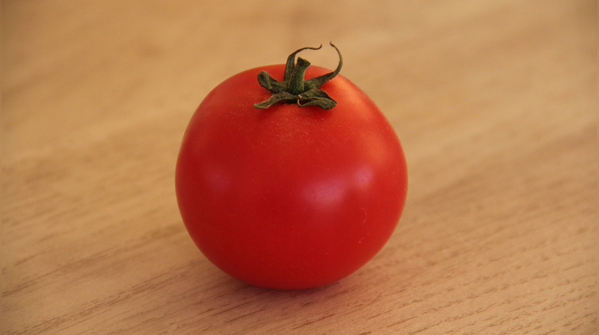
Tomatoes
Tomatoes rarely get credit beyond salads and curries. Yet, they are one of the richest sources of lycopene, a compound linked to lower risk of heart disease.
Cooking tomatoes, whether in soups or gravies, actually increases lycopene absorption. This means that a simple bowl of tomato-based curry can do more than satisfy hunger.
A study published by the journal Biology notes that regular tomato consumption is associated with improved cholesterol levels.
There’s something reassuring about how such a common ingredient carries such strength.
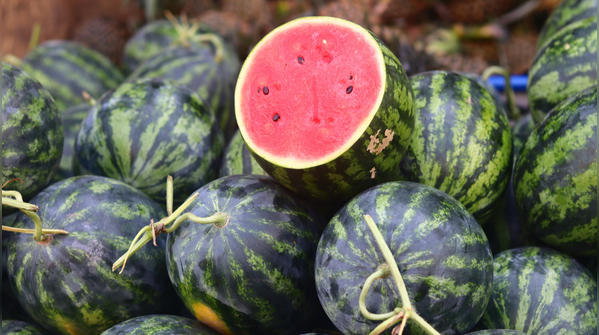
Watermelon
Watermelon is often seen as just a summer fruit. But beneath its sweetness lies citrulline, an amino acid that helps improve blood flow.
Better blood flow means less strain on the heart. It also helps regulate blood pressure during hotter months, when dehydration can silently affect cardiovascular health.
The US National Institutes of Health has linked citrulline intake to improved vascular function.
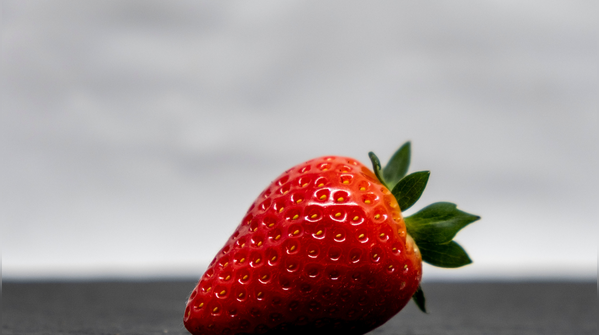
Strawberries
Strawberries may look delicate, but they carry powerful antioxidants called anthocyanins. These compounds help reduce oxidative stress, which is a major factor in heart disease.
Regular intake has been linked to lower LDL cholesterol and improved artery function.
A Harvard-led study supported by the US government found that women who consumed strawberries regularly had a lower risk of heart attacks.
Sometimes, the smallest foods carry the strongest impact.
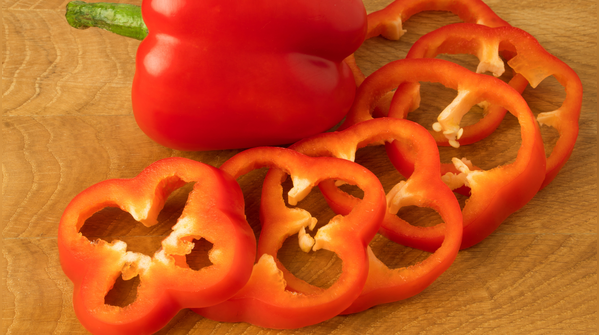
Red bell peppers
Red capsicum is often overlooked beside its green and yellow counterparts. But nutritionally, it stands ahead.
It contains high levels of vitamin C and beta-carotene. These support the health of blood vessels and reduce inflammation.
According to a study published in the NIH, pepper seeds contain more antioxidants than most vegetables in their category.
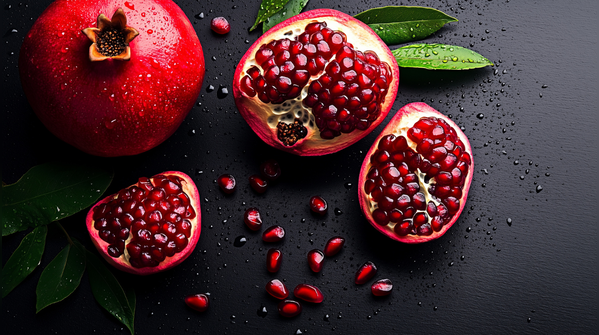
Pomegranate
Pomegranate has been part of traditional diets for centuries. Modern science now supports what older cultures already believed.
It contains polyphenols that help reduce plaque buildup in arteries. It also improves blood circulation and lowers blood pressure.
The National Center for Complementary and Integrative Health (NCCIH) highlights pomegranate’s role in supporting heart health.
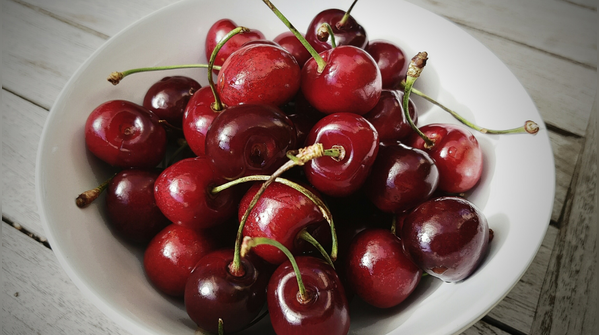
Cherries
Cherries, especially tart varieties, are rich in anthocyanins. These compounds help control inflammation, which is closely tied to heart disease.
They also support better sleep due to natural melatonin. And better sleep indirectly supports heart health.
Research backed by the US National Library of Medicine shows reduced inflammation markers with cherry consumption.
It’s not just a fruit, it’s part of a rhythm the body understands.
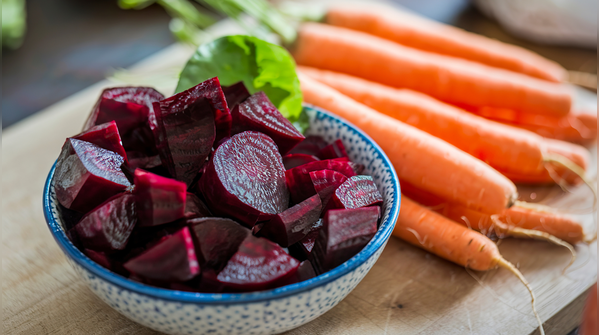
Beetroots
Beetroot has earned attention for a reason. It contains natural nitrates that convert into nitric oxide in the body. This helps widen blood vessels and improve blood flow.
This directly impacts blood pressure, often bringing it down naturally when consumed regularly.
A glass of beetroot juice may not taste exciting at first, but the heart tends to appreciate it.

Disclaimer
This article is for informational purposes only. It does not replace professional medical advice, diagnosis, or treatment. Dietary changes should be discussed with a qualified healthcare provider, especially for individuals with existing health conditions or those on medication.
Featured In etimes

