
Beetroot juice isn't for everyone: Hidden side effects and why you should avoid it
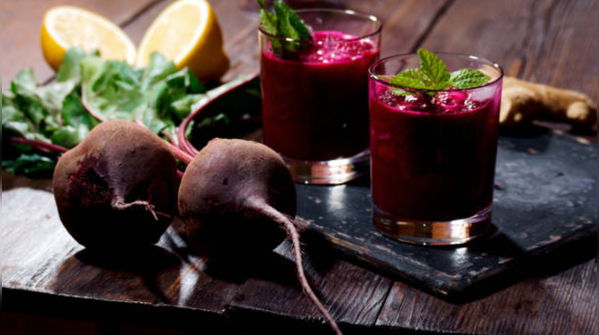
Beetroot juice can actually mess with your body
You've probably heard the hype. Beetroot juice is good for blood pressure, it boosts athletic performance, it's packed with antioxidants. And sure, there's legitimate research backing some of that up. But here's what doesn't get mentioned nearly as much: beetroot juice can actually mess with your body in ways that catch people off guard. It's not some miracle drink, and for certain people, it's genuinely not a good idea.
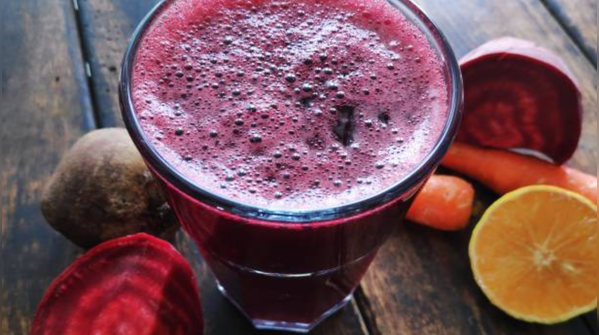
The dark side of going red
Beetroot juice is intense. It's concentrated, it's potent, and it works fast. That same power that makes it potentially beneficial is also what causes problems. People drink it thinking it's just vegetables, but your body processes it way differently than eating a whole beetroot. You're getting a massive dose of natural compounds all at once, and not everyone's system can handle that smoothly.
The most common complaint? Digestive upset. You'll see people online mentioning cramping, bloating, or a general feeling of being unsettled after drinking it. Some people get diarrhea. It sounds like a minor thing until it's actually happening to you and you're stuck dealing with it for hours. Your gut bacteria aren't always thrilled with sudden influxes of concentrated juice, and they let you know about it.
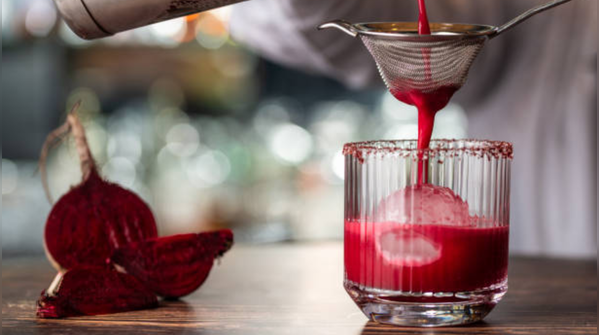
When your pee gets weird
There's something nobody warns you about, but it happens to a lot of people. Beetroot juice can turn your urine and stool dark red or even black. It's completely harmless, but if you're not expecting it, it's genuinely alarming. Your first instinct is to panic because you think something's wrong. You're not sick—it's just the pigment from the betaine in the juice passing through your system. But knowing that intellectually and not freaking out in the moment are two different things.
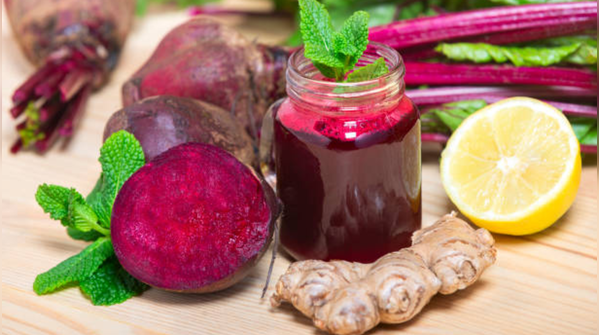
The kidney stone concern
Here's where it gets more serious. Beetroots contain high amounts of oxalates, which can contribute to kidney stone formation if you're prone to them. If you've had kidney stones before, or if kidney problems run in your family, beetroot juice isn't your friend. Even if you don't have a history of stones, drinking it regularly puts extra stress on your kidneys that some people's bodies just can't handle.
The blood pressure problem
This one's counterintuitive. Beetroot juice is famous for lowering blood pressure, right? That's great if your blood pressure is too high. But if you're already taking blood pressure medication or your pressure runs naturally low, beetroot juice can drop it too far. You end up feeling dizzy, fatigued, or lightheaded. You might think you're coming down with something when really you've just tanked your blood pressure with juice. Anyone on blood pressure meds absolutely needs to check with their doctor before adding this to their routine.
Who should actually skip it
If you have kidney problems, a history of kidney stones, or you're on blood pressure medication, beetroot juice isn't worth the risk. Same goes if you have iron overload conditions like hemochromatosis—beetroot juice contains iron, and too much of it can be genuinely dangerous for you. Pregnant women should be cautious too. While small amounts are probably fine, going heavy on beetroot juice when you're pregnant isn't worth experimenting with.
People with sensitive digestive systems need to be realistic. If your gut already struggles with fibrous foods or concentrated liquids, beetroot juice is going to make things worse, not better. And if you're diabetic, pay attention to how it affects your blood sugar. The natural sugars in beetroot are still sugars, and they can spike your levels.
The real takeaway
Beetroot juice isn't poison, and it's not evil. But it's also not a one-size-fits-all health hack. Your body isn't someone else's body. What works great for your friend might genuinely make you feel terrible. Before you jump on the beetroot bandwagon, actually think about your own health situation. If you've got any of the conditions mentioned here, or if you just generally have a sensitive system, maybe skip it. And if you do decide to try it, start small. A small glass, not a huge serving. See how you actually feel instead of assuming you'll feel amazing because that's what the internet says you should feel.
Featured In etimes

