
7 natural supplements that could help slow hair loss

Adding these natural supplements to your diet can help in hair growth
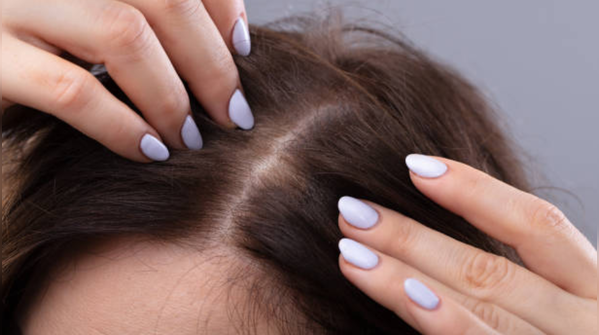
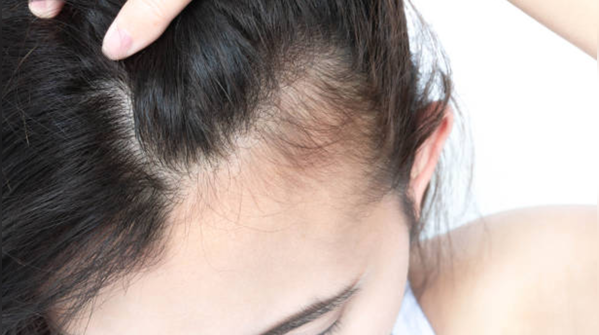
Whether you're noticing more strands in the shower drain or your part's getting wider, it's one of those things that can really mess with your head (no pun intended). And while there's no magic cure, some people swear by supplements that might actually help slow things down.
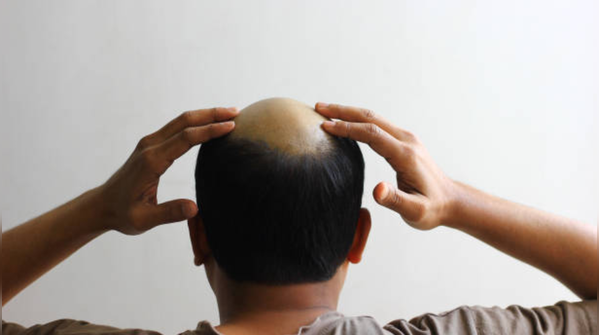
Biotin
Biotin's basically become the go-to supplement for hair problems, and honestly, there's some reason for that. It's a B-vitamin that your body uses to build keratin, which is literally what your hair is made of. A study published in Skin Appendage Disorders found that people taking biotin supplements showed improvement in hair thickness and shine after a few months.
The thing is, biotin works best if you're actually deficient in it, which isn't super common unless you have specific digestive issues. But it's low-risk and pretty cheap, so a lot of dermatologists don't mind if people try it. Just know that it's not some overnight fix—you'd be looking at several months before you notice real changes.
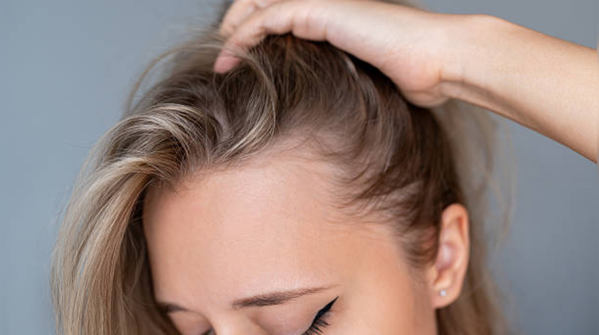
Iron
Hair loss is sometimes your body's way of saying something else is off. Low iron levels, specifically low ferritin (which is how your body stores iron), can trigger something called telogen effluvium where your hair just decides to bail early.
Before you start loading up on iron supplements though, get tested. Too much iron is actually worse for you than too little. A simple blood test will tell you what you're working with.
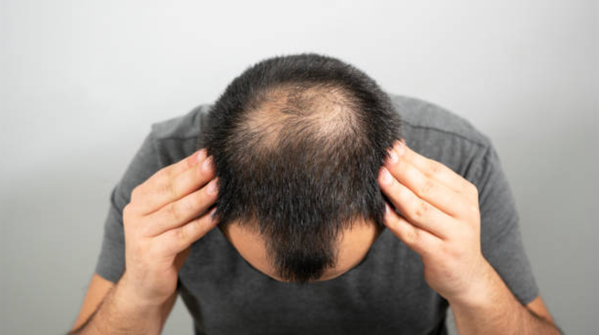
Zinc
Zinc plays a weird but real role in hair growth. Your body needs it to repair tissue and produce new hair cells, but zinc deficiency is linked to hair loss in a bunch of different ways.
Here's the catch: like iron, more isn't better. Too much zinc can mess with copper absorption and actually make hair loss worse. So again, know your baseline before supplementing.
Vitamin D
A lot of people are vitamin D deficient, especially if you live somewhere dark in winter or spend most of your time indoors. And there's genuinely solid evidence that low vitamin D is connected to hair loss. Harvard researchers have found links between vitamin D deficiency and alopecia. Your scalp has vitamin D receptors, which means your hair follicles are literally listening for vitamin D signals.
Omega-3 fatty acids
Omega-3s reduce inflammation throughout your body, and inflammation is actually a driver of certain types of hair loss. These fatty acids help keep your scalp healthy and your hair follicles working properly. You can get them from fish oil supplements or just eating more salmon and nuts, but supplements are convenient if that's not your thing.
Collagen
Collagen is what keeps your skin elastic and your hair strong. As you age, collagen production drops, and some research suggests that collagen peptides might help with hair thickness and strength. It's not going to regrow hair you've already lost, but it might help slow the process.

The bottomline
None of these are miracle workers, and they work best when your overall health is solid—good sleep, less stress, decent diet. Talk to a doctor or dermatologist before starting anything new, especially if you're already taking medications.
Featured In etimes

