
5 healthy and rich sources of vitamin D
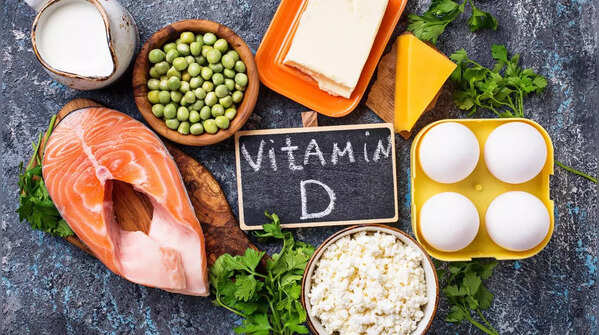
5 healthy and rich sources of vitamin D
Your mom is right. You have to get some sunshine every day. Vitamin D is an essential nutrient your body needs to keep bones, teeth, and muscles healthy. Also known as the sunshine vitamin, it plays a crucial role in your body, and yet, vitamin D deficiency is quite common. Lack of sun exposure, poor diet, and other illnesses could contribute to the deficiency. While sunlight is the most natural source, diet can significantly contribute to your daily intake. Here are five of the healthiest and richest food sources of vitamin D to add to your plate.
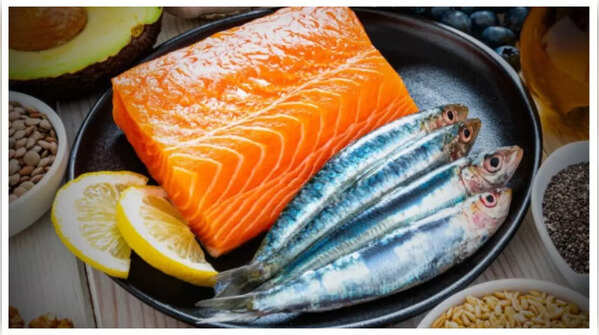
Fatty Fish
One of the best sources of vitamin D is fatty fish. Think salmon, mackerel, sardines, and tuna. A 3.5-ounce (100 gm) serving of Atlantic salmon contains 441 IU of vitamin D, which contributes to 55% of the Daily Value (DV). The vitamin D content may vary depending on where the salmon is caught. Another more affordable option is the sardines. A serving of sardines may offer up to 270 IU of vitamin D. The best way to get your DV is to add fatty fish in your meals at least two to three times per week.
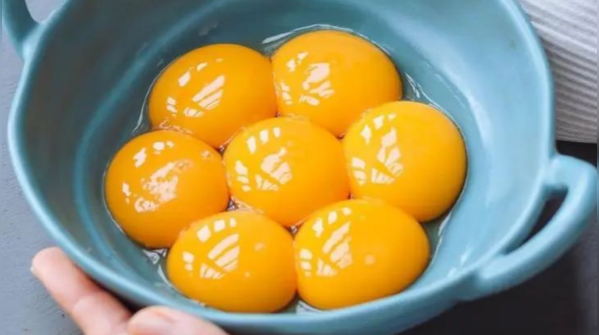
Eggs
Eggs are one of the most affordable and best sources of vitamin D. This is particularly good for people who don't eat fish. The yolk of a large egg (50 g) contains 41 IU of vitamin D. This is about 5% of the DV. Eggs from hens raised outdoors or fed vitamin D-enriched feed tend to have significantly higher levels. Eggs are also a great source of protein, healthy fats, and micronutrients such as choline and B vitamins. You can try to add eggs for breakfast.
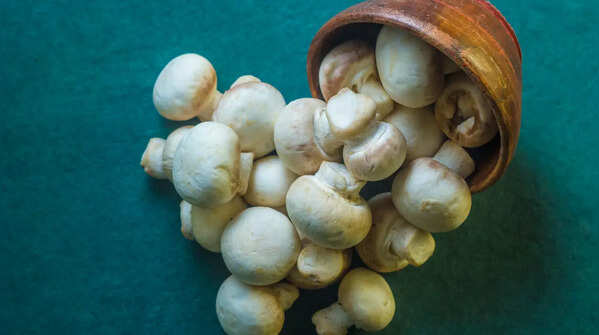
Mushroom
If you are a vegetarian or vegan and still want to hit the DV of vitamin D, eat mushrooms. Other than fortified foods, they are the only sufficient non-animal source of vitamin D. Just like humans, mushrooms can synthesize vitamin D when exposed to ultraviolet light. Edible wild mushrooms may contain more vitamin D than cultivated varieties. One cup may contain 136 IU of vitamin D, which is 17% of the DV. Mushrooms are commercially grown in the dark and contain very little vitamin D2. However, when treated with UV, the content goes up.
Fortified foods
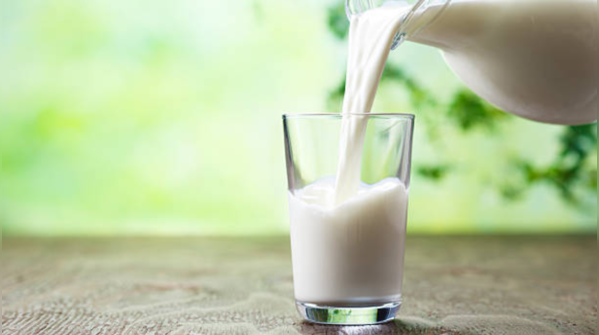
Another way to get vitamin D is to have fortified foods. In many parts of the world, store-bought cow's milk is fortified with around 115–130 IU per cup. Other plant-based alternatives, such as soy, oats, and orange juices, are also enriched with similar amounts of vitamin D. Breakfast cereals, yogurt, and certain juices also come fortified. You should check the nutrition label to confirm vitamin D content, as levels can vary considerably between brands.
Liver
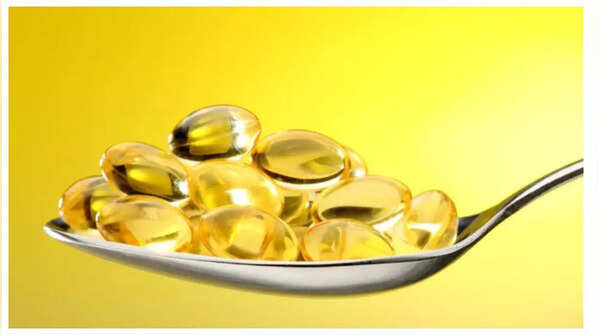
Animal liver, particularly beef is a potent source of vitamin D. Fish liver oils, such as cod liver oil, are also excellent sources. One teaspoon (4.9 ml) delivers approximately 450 IU of vitamin D. This is the 56% of the DV. Vegetarians and vegans can have liver oil to meet their vitamin D requirements. It is available in both liquid and capsule form.
Featured In etimes

