
- News
- lifestyle
- home-garden
- Plants thought to be native to India but were actually brought from foreign countries
Plants thought to be native to India but were actually brought from foreign countries
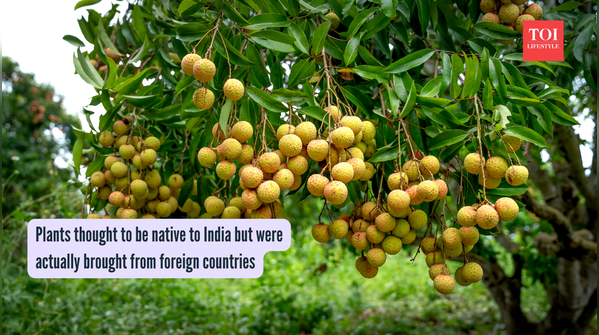
Plants thought to be native to India but were actually brought from foreign countries
India is often thought of as a land of ancient, native plants, but many of the crops and trees we now treat as “Indian” actually came from other parts of the world.
Over centuries, trade routes, colonial rule, and scientific exchanges moved seeds and saplings across continents. Plants that started as a few exotic arrivals in royal gardens or coastal ports have now become part of daily food, medicine, and landscaping.
This cross‑continental movement has given India new flavours, colours, and materials apart from the native ones
Here are some plants and vegetable varieties
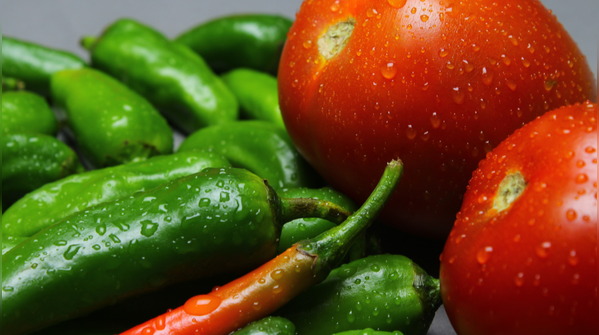
Potato, tomato, chillies and more
Several everyday vegetables now central to Indian cooking originally grew on other continents. Potatoes, tomatoes, chillies, and cabbage arrived from the Americas and Europe during or after the colonial period. These plants adapted so well to Indian soil and climate that they are now hard to imagine leaving out of dishes like curries, salads, and stuffed breads. In fact, chillies and potatoes transformed regional cuisines, giving rise to new flavours, snacks, and festival recipes.
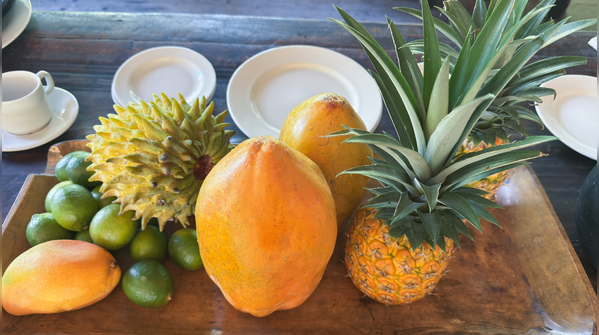
Pineapple, papaya, guava
Many fruits treated as “classic Indian” were first brought from abroad. Pineapple, papaya, cashew, guava, and custard apple reached India through Portuguese and other European traders. These plants adapted well in tropical and coastal regions, leading to local favourites such as pineapple chutneys, papaya salads, and cashew desserts. Guava, from Brazil, and custard apple, from the Americas, are now regular fixtures in almost every fruit-loving household.
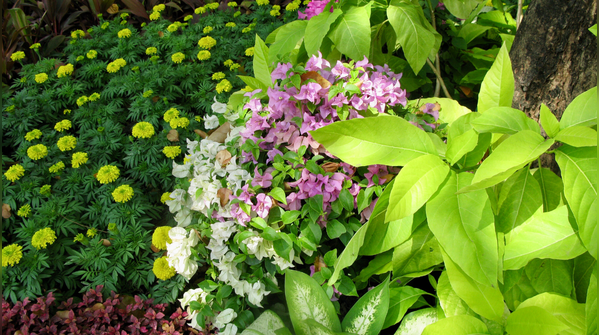
Eucalyptus, Bougainvillea and Marigold
India has also welcomed many exotic trees and garden plants from overseas. Eucalyptus, lantana, and several ornamental flowers such as bougainvillea and marigold varieties are not native but now grow widely in fields, roadsides, and homes. While some, like eucalyptus, provide useful timber or oil, others such as lantana have become invasive, crowding out native plants. Gardeners often use these foreign ornamentals because they bloom brightly and tolerate heat or poor soil.
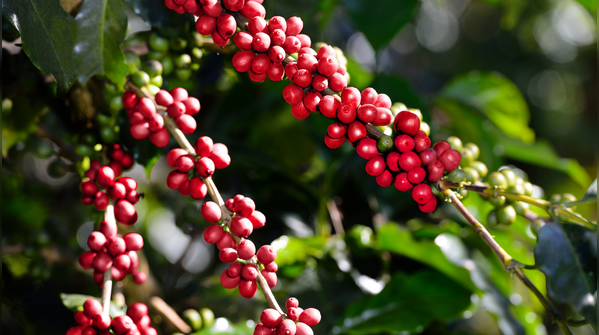
Coffee and oils
Some plants like coffee came to India later than native spices and are originally from regions like Yemen. Plant introductions such as castor and some oil crops, which already had a global use, were encouraged here for industrial and medicinal purposes. These crops added new income streams for farmers and helped knit India into global trade networks for oils, fibres, and medicines. British colonials aggressively pushed coffee plantations in the southern hills during the 19th century, turning Coorg and Wayanad into buzzing hubs. Castor beans fueled soap and lubricant factories, while sesame and niger seeds boosted exports to Europe and America. Farmers gained steady cash from these high-value crops, blending local knowledge with foreign demand. This exchange not only diversified agriculture but also sparked innovations in processing, like oil presses, strengthening India's role in the colonial economy.
Featured In lifestyle

MORE FROM ETIMES
life & style