
Trending
Whales in the Egyptian desert? Why is Egypt's Wadi al-Hitan desert called the 'Valley of the Whales'?
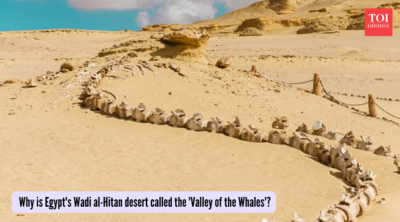
Wadi al-Hitan, Egypt's Whale Valley, showcases evolution's transition of whales from land to sea. This UNESCO World Heritage site, 160 km southwest of Cairo, reveals hundreds of Archaeoceti fossils, including Basilosaurus and Dorudon, demonstrating their loss of hind limbs. The valley offers unparalleled evidence of whale evolution, preserving a vibrant ancient ecosystem.
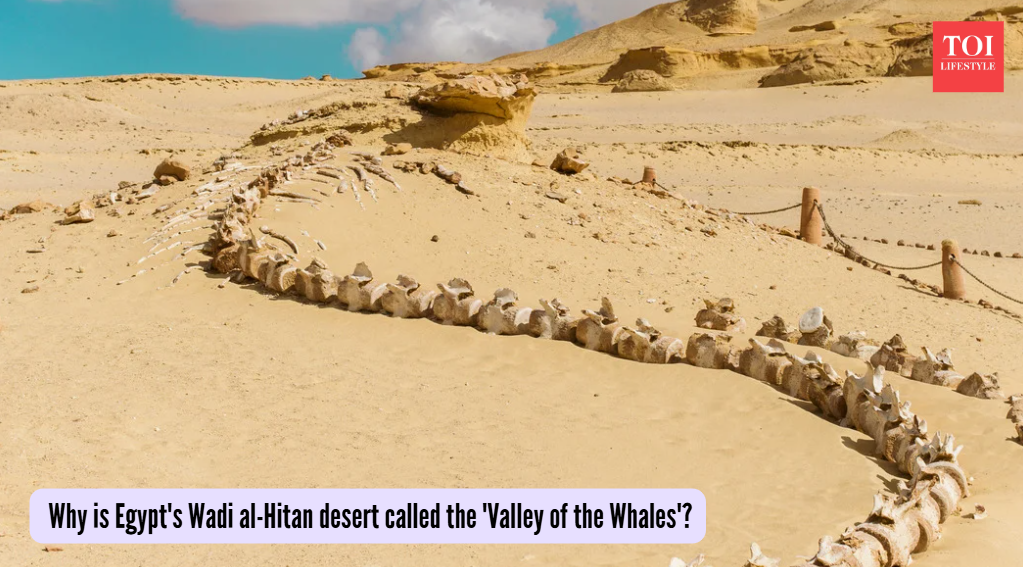
Why is Egypt's Wadi al-Hitan desert called the 'Valley of the Whales'? (Photo: Canva)
What makes Wadi al-Hitan Egypt's whale fossil wonderland?
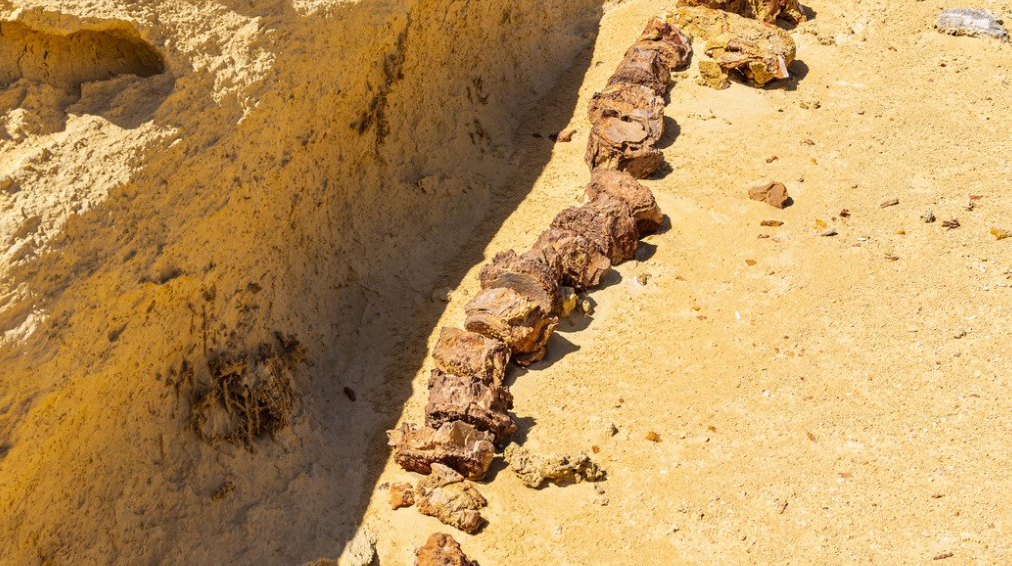
Whale fossil in Egypt's Wadi al-Hitan desert (Photo: Canva)
Shining examples of evolution
End of Article
Follow Us On Social Media
Tired of too many ads?go ad free now
lifestyle videos
Featured In Lifestyle

Tired of too many ads?go ad free now



Hot on the Web
Dhurandhar 2 OTT ReleaseRanbir KapoorSS Rajamouli HouseMahieka SharmaAR RahmanDhurandhar 2 Advance BookingVijayShah Rukh KhanDaisy ShahAhmedabad Police Traffic advisoryLab Grown GoldThe Kerala Story 2South India Real EstateHardik Pandya PenthouseThe 50Protein BreakfastsDevni DeviAnjali SardanaRuma DeviMeet KrishnaOpen Source WiFi ToolQueen VictoriaR ParthibanBasoda 2026Young Sherlock ReviewHoroscope TodayVaranasiThe Bluff Movie ReviewBorder 2 Movie ReviewTu Yaa Main Movie ReviewToday Gold Rate in ChennaiDelhi Weather TodayDelhi AQI TodayMumbai AQI TodayMaharashtra Public Holidays 2026Maruti Brezza Facelift SpiedLab Grown DiamondsMark ZuckerbergSam AltmanSocial Media BanWomen’s Day AI Prompts
Trending Topics
Latest MoviesBollywood MoviesHollywood MoviesTamil Movies 2026Telugu Movies 2026Malayalam Movies 2026Kannada MoviesMarathi MoviesBengali Movies 2026Top Rated Movies 2026Best Hindi MoviesBest English MoviesBest Telugu MoviesBest Tamil MoviesBest Malayalam MoviesBest Kannada MoviesBest Bengali MoviesUpcoming Hindi MoviesBest Movies Of All TimeBest Hindi Movies of All TimeLatest English MoviesLatest Malayalam MoviesEnglish TV NewsTamil TV NewsTelugu TV NewsMalayalam TV NewsKannada TV NewsMovie ReviewsBhojpuri Cinema NewsGujarati Cinema News
Popular Categories
Viral NewsK Pop NewsWeb Series NewsAnime NewsUpcoming English MoviesUpcoming Tamil MoviesUpcoming Telugu MoviesUpcoming Malayalam MoviesUpcoming Kannada MoviesFashion TipsTravel NewsEntertainment NewsBollywood NewsTollywood NewsKollywood NewsMollywood NewsFood NewsLatest Hindi MoviesLatest Tamil MoviesParenting TipsHome RemediesWeight LossBeauty TipsParenting TipsHindi VideosHindi Video SongsBhojpuri Music VideosLatest Telugu MoviesBhojpuri Music VideoHindi TV News
Latest News
NIT-P launches new courseThe Bangalore Times' Headliners’ Stage: Voices that question, create and changeMan sent to jail 2 days before wedding on charge of rape in Supaul6 Feng Shui-approved paintings to attract prosperity, wealth and luckNEC allocates over Rs 5.73cr to Mizoram in Feb for devpt projectsAnother aide of Prince Khan held in DhanbadEconomic Survey flags structural shift as Mizoram primary sector share slides in 2024-25Seller assaulted over flu-infected chicken rowAamir Khan's 'Sitaare Zameen Par' set for OTT release on a streaming platform after Youtube pay-per-view model, here's where you can watch itTop 5 richest tennis players in 2026: Roger Federer leads billion-dollar list with Serena Williams, Novak Djokovic and Rafael NadalSeparated from herd, lone jumbo goes on rampage in Koderma villageBiren and Conrad seek action over racial assault of 2 from NE in DelhiGovt to upgrade 54 colleges as centres of excellenceMax Scherzer’s impressive car collection in 2026: How many cars does the Toronto Blue Jays star own?Contest set for RS polls as six candidates remain for 5 seatsFinding land for urban waste disposal a challenge, says GovtTripura LF names candidates for 28 ADC seatsMan, son die in accident; wife critical