
7 Korean habits to lose weight quickly
7 Korean habits to lose weight quickly
People are going gaga over Korean skincare, but there is another secret that is worth unveiling: their way of living. In Korea, weight management is an unspoken rule. Being at your ideal weight is crucial, not for aesthetic reasons, but to keep diseases at bay. Obesity is linked to heart disease, type 2 diabetes, and at least 13 types of cancer. So staying in shape is crucial. But how do Koreans maintain their weight, even without trying? Here are seven habits that help them with weight management.

Fermented food first
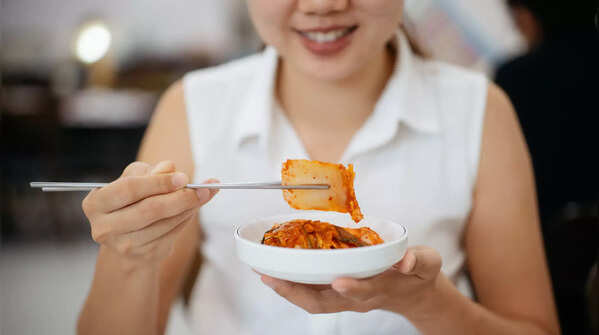
Fermented foods are part of their daily diet. Think kimchi, doenjang (fermented soybean paste), and ganjang (soy sauce). These are staples in every Korean meal. Fermented foods contain probiotics, the beneficial bacteria that support a healthy gut microbiome. This helps with better metabolism and reduces inflammation. A small serving of kimchi can make a significant difference in your diet.

Fill your plate with veggies
If you walk into any Korean house or restaurant, you will see the dining table covered with banchan, which are small side dishes. Most of these side dishes are prepared using vegetables—think spinach, bean sprouts, zucchini, radish, and mushrooms. Vegetables are high in fiber, which helps with satiety without adding more calories. Adding more vegetables to the diet is one of the most effective strategies in a weight-loss journey.

Healthy cooking habits
How you cook is equally as important as what you eat. In Korea, people enjoy their food steamed, boiled, fermented, or lightly stir-fried. These cooking techniques preserve nutrients without using a lot of oil. They also use ingredients such as garlic, ginger, sesame oil, and gochugaru (chili flakes) to elevate flavor rather than relying on calorie-dense, heavy sauces or cream

Portion control
In Korea, people use small bowls and plates to serve their dishes, unlike their Western counterparts. This very practice helps with portion control. Most people on a weight-loss journey struggle with it. Here’s a quick tip to fix it: go for a smaller plate or bowl when serving meals. Eat slowly and enjoy your food like the Koreans. This will give your brain more time to register that you are full and thereby prevent overeating.

Walk everywhere you can
Just like the French, people in Korea love to walk. You will see commuters walking to the subway, people casually taking a stroll in the park, and some walking to work. Movement is a part of their daily life. This simple habit, over time, helps them stay in shape.

Early dinner
In Korea, the evening meal is typically eaten before 7 p.m. This simple practice helps leave several hours between dinner and bedtime. Late dinners are not good for health in general and can be disastrous for those trying to lose weight. Shifting dinner time to at least three hours before sleep will help food digest better and also promote restful sleep.

Soups and stews
They adore their soups and stews. Korean cuisine is known for its rich soups and stews. There are many varieties—doenjang jjigae, sundubu jjigae, samgyetang, and miyeok guk, to name a few. Low in calories and high in nutritional value, these soups and stews are another reason they stay in shape, even without trying.
Featured In etimes

